ما هو خط إنتاج الصناديق الكرتونية؟
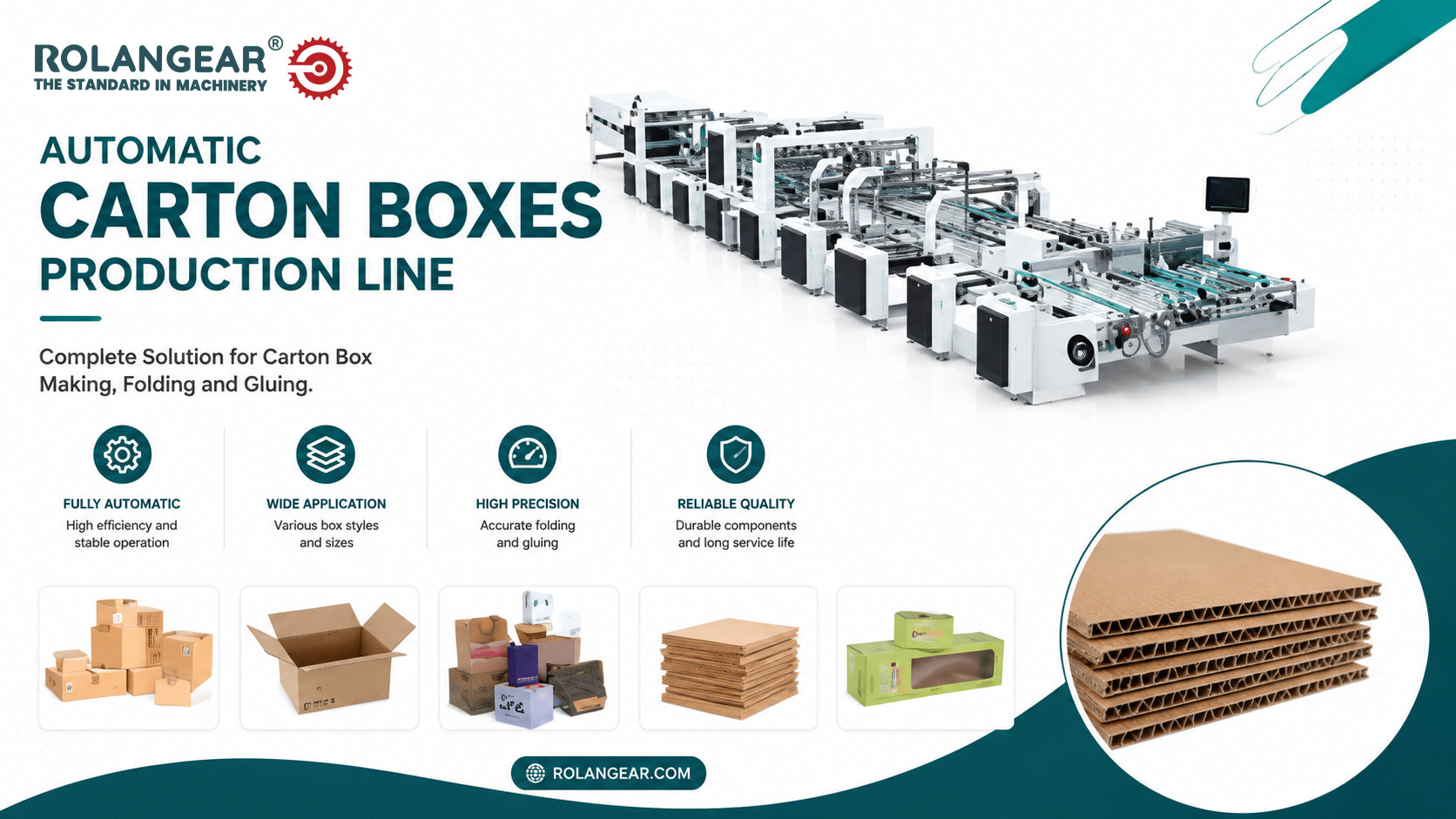
خط إنتاج الصناديق الكرتونية هو نظام تصنيع كامل مصمم لتحويل صفائح الكرتون المموجة إلى منتجات تعبئة كرتونية نهائية. فهو يجمع بين عدة آلات في سير عمل واحد بحيث تدعم كل مرحلة المرحلة التالية مع معالجة يدوية أقل واتساق إنتاج أفضل.
تبدأ عملية الإنتاج عادةً بالكرتون المموج المُجهز وتستمر من خلال التغذية، والطباعة، والقطع، والتقطيع، والتجعيد، والطي، واللصق، والفحص، والعد، والتكديس. تؤثر كل مرحلة على جودة الكرتون النهائية، بما في ذلك دقة الحجم، ومظهر الطباعة، وأداء الطي، وقوة اللصق، وحالة التراص.
بالمقارنة مع آلة تصنيع الكرتون الواحدة، فإن خط الإنتاج الكامل يساعد الشركات المصنعة على إنشاء نظام مصنع أكثر كفاءة. إنه مفيد بشكل خاص للمصانع التي تريد إنتاجًا أعلى وجودة مستقرة وإدارة أسهل وقدرة أقوى على التعامل مع طلبات الصناديق المخصصة.

ما هي المنتجات التي يمكن إنتاجها بواسطة خط إنتاج الصناديق الكرتونية؟
تُستخدم خطوط إنتاج الصناديق الكرتونية في العديد من الصناعات لأن التغليف المموج مناسب للنقل وعرض البيع بالتجزئة. يعتمد نطاق المنتج النهائي على تكوين الماكينة، مادة اللوحة، نظام الطباعة، هيكل الصندوق، ومتطلبات العملاء.
| نوع المنتج | التطبيقات النموذجية | المتطلبات الرئيسية |
|---|---|---|
| كرتونة الشحن | التجارة الإلكترونية، والخدمات اللوجستية، والتخزين، وتغليف الصادرات | هيكل قوي، حجم دقيق، طي ثابت، لصق موثوق |
| صناديق تغليف المواد الغذائية | الوجبات الخفيفة والمشروبات والأغذية المجمدة ومنتجات المخابز | تدفق الإنتاج النظيف والطباعة الدقيقة واختيار المواد المناسبة |
| تغليف التجزئة | الإلكترونيات ومستحضرات التجميل والمنتجات المنزلية والتعبئة الترويجية | جودة طباعة أفضل ومظهر أنيق وتصميم مخصص |
| التغليف الصناعي | قطع غيار الآلات، مكونات السيارات، السلع الصناعية | قوة أعلى للوح، وأبعاد مخصصة، وتكديس مستقر |
لماذا الاستثمار في خط إنتاج الصناديق الكرتونية الأوتوماتيكي؟
1. كفاءة إنتاجية أعلى
خط إنتاج الصناديق الكرتونية الأوتوماتيكي يسمح لعدة مراحل إنتاج بالعمل بشكل مستمر. بدلاً من نقل صفائح الورق المقوى يدويًا بين آلات منفصلة، يقوم الخط بنقل المواد من مرحلة إلى أخرى بإيقاع أفضل ووقت توقف أقل.
- سرعة إنتاج أسرع
- سير عمل أكثر سلاسة
- ارتفاع استخدام المعدات
- إنتاج يومي أفضل
2. جودة منتج أكثر اتساقًا
يتطلب تصنيع الكرتون تحكمًا دقيقًا في التغذية، ومحاذاة الطباعة، وموضع القطع، وعمق التجعيد، ودقة الطي، وتطبيق الغراء. يمكن أن تؤثر الأخطاء الصغيرة على أبعاد الصندوق ومظهره وقوته. تساعد الأتمتة في الحفاظ على الأداء القابل للتكرار عبر دفعات الإنتاج.
- حجم الصندوق أكثر دقة
- تسجيل طباعة أفضل
- قابلة للطي واللصق بشكل ثابت
- انخفاض تباين الجودة
3. تقليل الاعتماد على العمالة
قد يتطلب إنتاج الكرتون التقليدي عمالًا للتغذية والنقل والفرز والطي والتكديس. يقلل الخط الأوتوماتيكي الكامل من المعالجة اليدوية حتى يتمكن المشغلون من التركيز على مراقبة الإنتاج وفحص الجودة وتعديل الماكينة والصيانة.
- انخفاض التعامل اليدوي
- تحسين السلامة والتنظيم
- استخدام أكثر كفاءة للعمالة
4. استخدام أفضل للمواد
يعد الكرتون المضلع أحد تكاليف الإنتاج الرئيسية في صناعة الكرتون. تساعد التغذية المستقرة والقطع الدقيق وإعدادات الماكينة المُحسّنة على تقليل الفاقد وتحسين كفاءة المواد.
- قطع أقل للنفايات
- عدد أقل من الكراتين المعيبة
- ربحية أفضل
5. القدرة الإنتاجية المرنة
غالبًا ما يتطلب عملاء التغليف أحجامًا مختلفة للصناديق وتصميمات الطباعة وهياكل المنتجات. يمكن لخط إنتاج الصناديق الكرتونية الذي تم تكوينه بشكل صحيح أن يدعم كرتون الشحن العادي، والصناديق المطبوعة، وتغليف التجزئة المخصص، والكرتون الصناعي.
- مجموعة منتجات أوسع
- استجابة أسرع للطلب
- سهولة توسيع الأعمال
عملية إنتاج علبة كرتون كاملة
يجب تخطيط خط إنتاج الصناديق الكرتونية الاحترافي كعملية متصلة. يجب أن تدعم كل مرحلة العملية التالية. إذا كانت التغذية غير مستقرة، فقد تتأثر دقة الطباعة والقطع. إذا كان القطع أو التجعيد غير صحيح، فقد يصبح الطي واللصق أمرًا صعبًا. وهذا هو سبب أهمية التنسيق الكامل للخط.
الخطوة 1: إعداد الكرتون المضلع
يبدأ الإنتاج بألواح من الورق المقوى المموج المعدة وفقًا لمواصفات الصندوق ودرجة اللوحة والسمك والحجم ومتطلبات الطلب. تؤثر جودة اللوحة على قوة الصندوق وأداء الطباعة وجودة الطي والمظهر النهائي.
الخطوة 2: التغذية التلقائية للوحة
يقوم نظام التغذية الأوتوماتيكي بنقل صفائح الكرتون إلى خط الإنتاج بسرعة ثابتة وموضع دقيق. تعد دقة التغذية الجيدة أمرًا مهمًا لأن الطباعة والقطع والتقطيع والطي كلها تعتمد على مرحلة تحديد الموضع الأولى.
الخطوة 3: الطباعة
يقوم قسم الطباعة بتطبيق الشعارات أو معلومات المنتج أو علامات المعالجة أو رسومات العلامة التجارية أو تصميمات العملاء على سطح اللوحة. تُستخدم الطباعة الفلكسوغرافية بشكل شائع لإنتاج الكرتون المموج بكميات كبيرة، في حين يمكن اعتبار الطباعة الرقمية لفترات قصيرة أو تغييرات متكررة في التصميم.
الخطوة 4: القطع والشق والتجعيد
بعد الطباعة، تدخل الورقة في مرحلة الإعداد الهيكلي. يؤدي القطع إلى إنشاء الشكل الخارجي، بينما يؤدي الشق إلى إنشاء مناطق الفصل اللازمة للطي، كما يؤدي التجعيد إلى إنشاء خطوط طي دقيقة. تحدد هذه العمليات ما إذا كان من الممكن طي الكرتون بسلاسة والحفاظ على الحجم النهائي الصحيح.
الخطوة 5: الطي واللصق
يتحرك الكرتون الفارغ المعالج عبر الناقلات وآليات الطي. يتم تطبيق الغراء على منطقة المفصل المطلوبة، ويتم طي الألواح في موضعها، ويتم تطبيق الضغط لتعزيز الترابط. يساعد الطي واللصق المستقر على ضمان شكل الصندوق المتسق وقوة المفاصل الموثوقة.
الخطوة 6: التفتيش والعد والتراص
يجب فحص الكراتين الجاهزة للتأكد من دقة الطباعة وأبعاد القطع وجودة الطي وقوة الغراء والمظهر وحالة التراص. بعد الفحص، يتم عد الكراتين وتكديسها للتعامل مع المستودعات وتخزينها وتسليمها.

الآلات الرئيسية في خط إنتاج الصناديق الكرتونية
لا يتم تصنيع خط إنتاج الصناديق الكرتونية الكامل من آلة واحدة فقط. فهو يجمع بين وحدات المعالجة المختلفة في نظام تصنيع منسق. يجب تأكيد التكوين الدقيق للمعدات وفقًا لنوع الصندوق وحجم اللوحة ومتطلبات الطباعة والسعة المستهدفة وتخطيط المصنع ومستوى التشغيل الآلي.
| المعدات | وظيفة | نقاط الاختيار الرئيسية |
|---|---|---|
| نظام تغذية اللوحة الأوتوماتيكي | يغذي الصفائح المموجة في الخط بسرعة ثابتة وموضع دقيق | نطاق حجم الورقة، دقة التغذية، سمك اللوحة، السرعة، الموثوقية |
| آلة الطباعة | طباعة الشعارات ومعلومات المنتج والرسومات على الورق المقوى | عدد الألوان، دقة التسجيل، سرعة الطباعة، ملاءمة الحبر |
| آلة القطع / الشق / التجعيد | يخلق الشكل الهيكلي وخطوط الطي للكرتون | دقة القطع، تصميم الفتحات، جودة التجعيد، سهولة التغيير |
| مجلد المصمغ | تطوي ألواح الكرتون، وتضع المادة اللاصقة، وتضغط على الوصلات، وتشكل الصندوق | نطاق حجم الصندوق، التحكم في الغراء، دقة الطي، قوة الترابط |
| نظام فحص الجودة | التحقق من الطباعة والحجم والطي والمظهر وجودة الغراء | طريقة الفحص، القدرة على اكتشاف العيوب، التكامل مع سرعة الخط |
| معدات العد والتكديس | يقوم بحساب الكراتين الجاهزة وإنشاء أكوام منظمة للتعامل معها | دقة العد، استقرار المكدس، طريقة التفريغ، تدفق المستودعات |
دليل اختيار القدرات
يعد اختيار الطاقة الإنتاجية أحد أهم القرارات الاستثمارية. الخط الأفضل ليس دائمًا هو الخط الأسرع. يجب أن يتطابق مع حجم الطلب الحقيقي والأسواق المستهدفة وأحجام الصناديق ونوبات العمل ومساحة المصنع وخطة العمل وأهداف التوسع المستقبلية.
| مستوى القدرة | أفضل ل | المزايا الرئيسية |
|---|---|---|
| خط سعة صغيرة | شركات التعبئة والتغليف الجديدة والموردين المحليين وورش عمل الصناديق المخصصة | انخفاض الاستثمار الأولي، والإنتاج المرن، وسهولة التشغيل |
| خط ذو سعة متوسطة | إنشاء مصنعي التعبئة والتغليف مع عملاء مستقرين | إنتاج أعلى، وأتمتة أفضل، وتحسين استقرار سير العمل |
| خط عالي السعة | مصانع التعبئة والتغليف الكبيرة وموردي التصدير ومنتجي التغليف الصناعي | إنتاج مستمر، وأتمتة أقوى، ودعم كبير للطلبات |
| نظام تلقائي مخصص | مصانع ذات أنواع صناديق خاصة أو متطلبات سير العمل | تم تصميمه حول نطاق المنتجات ومساحة المصنع والقدرة المستهدفة وخطة التوسع |

عوامل تكلفة خط إنتاج الصناديق الكرتونية
تعتمد تكلفة خط إنتاج الصناديق الكرتونية على التكوين الكامل للمشروع. لا يوجد سعر قياسي واحد لأن كل مصنع لديه أنواع منتجات مختلفة، ومتطلبات التشغيل الآلي، وأهداف السعة، وشروط التخطيط. يجب أن يأخذ الاقتباس الاحترافي في الاعتبار نظام الإنتاج بأكمله بدلاً من آلة واحدة فقط.
1. القدرة الإنتاجية
تتطلب السعة الأعلى عادةً آلات أسرع، وهياكل أقوى، وأتمتة أعلى، وأنظمة أفضل لمعالجة المواد.
2. تكوين الجهاز
قد يشمل الخط الأساسي التغذية والطباعة والقطع والطي واللصق. قد يتضمن الحل الأكثر تقدمًا الطباعة متعددة الألوان، والفحص التلقائي، والتعامل الآلي، والتكديس، وأنظمة إدارة الإنتاج.
3. مستوى الأتمتة
قد تقلل الأنظمة شبه الآلية من الاستثمار الأولي ولكنها تتطلب المزيد من التشغيل اليدوي. تتطلب الخطوط الأوتوماتيكية بالكامل استثمارات أعلى ولكنها يمكن أن تحسن الكفاءة والاتساق والتحكم في العمل على المدى الطويل.
4. نوع الصندوق ومتطلبات المنتج
حجم الصندوق، وسمك اللوحة، وجودة الطباعة، والهياكل الخاصة، واحتياجات التخصيص كلها تؤثر على اختيار الماكينة ومتطلبات الأدوات.
5. إعداد المصنع والمرافق
قد تشمل التكلفة الإجمالية للمشروع تركيب الماكينة، والإعداد الكهربائي، والهواء المضغوط، وتخزين المواد، ومعالجة المنتج النهائي، وتخطيط تخطيط ورشة العمل.
تخطيط المصنع ومتطلبات المرافق
يحتاج مصنع تصنيع الكرتون الناجح إلى تخطيط واضح وفعال. يمكن أن يؤدي التخطيط السيئ للتخطيط إلى حركة غير ضرورية للمواد، وتأخير الإنتاج، وزيادة الطلب على العمالة، وارتباك المستودعات. يجب أن يؤدي التدفق الموصى به إلى نقل المواد في اتجاه واحد من تخزين المواد الخام إلى تخزين البضائع تامة الصنع.
تخطيط مساحة ورشة العمل
- تخزين المواد الخام لألواح الكرتون المضلع
- منطقة الإنتاج مع مساحة كافية للتشغيل والصيانة
- منطقة التفتيش لفحص الجودة
- مستودع المنتجات النهائية للتكديس والشحن المنظمين
متطلبات المنفعة
- إمدادات الكهرباء مستقرة وفقا لتكوين المعدات
- الهواء المضغوط إذا لزم الأمر بواسطة المكونات الهوائية
- التهوية وبيئة الإنتاج النظيفة
- الوصول الآمن للمشغلين والصيانة ومناولة المواد
التوسع المستقبلي
- حجز مساحة للآلات الإضافية
- تخطيط سعة المستودعات لنمو الأعمال
- حافظ على تدفق المواد واضحًا عند إضافة معدات جديدة

نقاط مراقبة الجودة في صناعة الكرتون
ينبغي دمج مراقبة الجودة في عملية إنتاج الكرتون الكاملة. صندوق الكرتون ليس مجرد تغليف؛ فهو يحمي منتجات العملاء أثناء التخزين والمناولة والنقل. يمكن أن تتسبب جودة الكرتون الرديئة في تلف المنتج وشكاوى وزيادة النفايات.
- جودة اللوح واتساق سمكه
- وضوح الطباعة ودقة الألوان والتسجيل
- حجم القطع ودقة الشق
- جودة التجعيد وأداء الطي
- تطبيق الغراء وقوة الترابط
- مظهر الكرتون النهائي وحالة التراص
- دقة العد وجاهزية المستودعات
كيفية اختيار مورد خط إنتاج الصناديق الكرتونية المناسب
يعد اختيار المورد المناسب قرارًا تجاريًا طويل المدى. يجب أن يفهم شريك خط الإنتاج الموثوق به كلاً من الآلات وتشغيل المصنع. يجب أن يساعد المورد العملاء في اختيار المعدات وتخطيط سير العمل وتجنب الاستثمار غير الضروري.
الخبرة الفنية
- معرفة عمليات إنتاج الكرتون المضلع
- القدرة على التوصية بالتكوين المناسب للآلة
فهم أنواع الصناديق ومواد الألواح ومتطلبات الإنتاج
القدرة على الحل الكامل
- اختيار المعدات
- تصميم خط الإنتاج
- تخطيط تخطيط المصنع
- دعم التثبيت
- تدريب المشغلين
القدرة على التخصيص
- التصميم يعتمد على مساحة المصنع المتاحة
- تطابق المخرجات المتوقعة ومجموعة المنتجات
- دعم التخطيط للتوسع المستقبلي
دعم ما بعد البيع
- إرشادات التثبيت
- دعم الصيانة
- توريد قطع الغيار
- المساعدة الفنية للتشغيل على المدى الطويل
لماذا تختار رولانجير؟
توفر Rolangear حلول إنتاج صناعي كاملة للعملاء الذين يخططون لبدء أو توسيع تصنيع الصناديق الكرتونية. بدلاً من توريد الآلات الفردية فقط، تساعد Rolangear العملاء في النظر في عملية الإنتاج الكاملة، وتكوين المعدات، وتخطيط المصنع، ومستوى الأتمتة، ومتطلبات مراقبة الجودة، وخطة التوسع على المدى الطويل.
كل مشروع له متطلبات مختلفة. يجب تصميم خط إنتاج الصناديق الكرتونية المناسب وفقًا لمواصفات المنتج، ومواد اللوحة، ونطاق حجم الصندوق، واحتياجات الطباعة، والقدرة المستهدفة، وظروف المصنع، وميزانية الاستثمار، وخطة العمل المستقبلية.
بفضل حلول المعدات الاحترافية ودعم المشاريع، تساعد Rolangear العملاء على بناء أنظمة تصنيع صناديق كرتونية فعالة وموثوقة وقابلة للتطوير.
المعلمات الفنية للتأكيد قبل الطلب
قبل اختيار خط إنتاج الصناديق الكرتونية، يجب على المشترين التأكد من بيانات الإنتاج العملية التي تؤثر على تكوين المعدات. تساعد هذه التفاصيل المورد في التوصية بالآلات المناسبة بدلاً من الخط العام الذي قد يكون صغيرًا جدًا أو كبيرًا جدًا أو غير مناسب لأنواع الكرتون المقصودة.
| المعلمة | لماذا يهم؟ |
|---|---|
| نطاق حجم الكرتون | يحدد عرض التغذية، ونطاق القطع، وإمكانية الطي، وتصميم التراص. |
| نوع اللوحة وسمكها | يؤثر على استقرار التغذية، وضغط التجعيد، وجودة الطي، وترابط الغراء. |
| متطلبات الطباعة | يؤثر عدد الألوان ومنطقة الطباعة ودقة التسجيل ونوع الحبر على اختيار آلة الطباعة. |
| القدرة المستهدفة | يساعد في تحديد سرعة الماكينة ومستوى الأتمتة وعدد نوبات الإنتاج. |
| هيكل الصندوق | قد تحتاج الصناديق الكرتونية العادية، والصناديق المخصصة، وصناديق البيع بالتجزئة، والكرتون الصناعية إلى أدوات أو وحدات آلية مختلفة. |
| مساحة المصنع والمرافق | يحدد تخطيط الخط وترتيب الماكينة والإعداد الكهربائي والهواء المضغوط وتدفق معالجة المواد. |
التنظيف والصيانة وتخطيط قطع الغيار
لا يعتمد إنتاج الكرتون المستقر على الشراء الأولي للماكينة فحسب، بل يعتمد أيضًا على التشغيل اليومي والصيانة الوقائية. يشتمل خط إنتاج الصناديق الكرتونية على بكرات التغذية، ووحدات الطباعة، وأدوات القطع، وسكاكين التشقيب، ومكونات التجعيد، وأنظمة الغراء، والناقلات، وأجهزة الاستشعار، ومعدات التراص. تحتاج هذه الأجزاء إلى فحص منتظم للحفاظ على الدقة وتقليل وقت التوقف عن العمل.
يجب على المشغلين الحفاظ على نظافة أقسام التغذية، وفحص البكرات والأحزمة، وفحص مكونات الطباعة، وتنظيف أنظمة تطبيق الغراء، والتأكد من إعدادات السكين والتجعيد، ومراقبة الاهتزاز أو الضوضاء غير الطبيعية. بالنسبة للمصانع التي تنتج أحجامًا مختلفة من الصناديق، يجب تنظيم إجراءات تغيير القالب أو الأدوات بشكل واضح بحيث لا تؤدي تعديلات الإنتاج إلى خلق مشاكل في الجودة.
تخطيط قطع الغيار مهم أيضًا. يجب تخطيط الأجزاء القابلة للارتداء مثل الأحزمة والشفرات ومكونات الغراء وأجهزة الاستشعار والأجزاء الهوائية والمكونات الكهربائية الشائعة وفقًا لنموذج الماكينة وكثافة الإنتاج. تساعد خطة قطع الغيار الجيدة المصنع على التعافي بشكل أسرع عند الحاجة إلى الصيانة.
خيارات التخصيص المشتركة
يمكن تخصيص خطوط إنتاج الصناديق الكرتونية وفقًا لمنتجات العملاء وأهداف المصنع. يجب أن يؤدي التخصيص الصحيح إلى تحسين قيمة الإنتاج، وليس فقط إضافة وظائف إضافية. يجب على المشترين اختيار الخيارات بناءً على الطلب الحقيقي في السوق وكمية الطلب ووضع المنتج.
- وحدات طباعة متعددة الألوان للكرتون ذات العلامات التجارية وعبوات البيع بالتجزئة
- وظائف الضبط التلقائي لتغيير الحجم بشكل أسرع
وحدات فحص إضافية لفحص الطباعة أو الأبعاد أو الغراء أو المظهر
- أنظمة تغذية وتكديس عالية السرعة لإنتاج كميات كبيرة
- ناقلات مخصصة وتخطيط خطي لمساحة ورشة عمل محدودة
- أنظمة مراقبة البيانات أو إدارة الإنتاج للمصانع الكبيرة
- أدوات أو وحدات خاصة لهياكل كرتونية محددة
عند مناقشة التخصيص، يجب على المشترين التأكد من الميزات الضرورية للإنتاج الحالي والميزات التي يمكن حجزها للتوسع المستقبلي. ويساعد ذلك على تحقيق التوازن بين تكلفة الاستثمار ومرونة التصنيع على المدى الطويل.


الأسئلة المتداولة
ما هو خط إنتاج الصناديق الكرتونية؟
إنه نظام تصنيع متكامل يقوم بتحويل صفائح الكرتون المموجة إلى صناديق كرتونية جاهزة من خلال التغذية، الطباعة، القطع، التشقيب، التجعيد، الطي، اللصق، الفحص، العد، والتكديس.
هل يمكن لخط إنتاج واحد أن يصنع أحجام مختلفة من علب الكرتون؟
يمكن تعديل العديد من أنظمة إنتاج الكرتون لتناسب أبعاد الصناديق المختلفة، لكن نطاق الحجم المتاح يعتمد على تصميم الماكينة، ومواصفات اللوحة، والأدوات، ومتطلبات المنتج.
ما هي الآلات اللازمة لخط إنتاج الصناديق الكرتونية الكامل؟
قد يشتمل الخط النموذجي على نظام تغذية أوتوماتيكي، وآلة طباعة، وآلة قطع وتشقيب، وآلة لصق المجلدات، ونظام فحص الجودة، ومعدات العد أو التراص.
كيف أختار القدرة الإنتاجية المناسبة؟
يجب اختيار السعة وفقًا لحجم الطلب والأسواق المستهدفة وأحجام الصناديق ونوبات العمل ومساحة المصنع وميزانية الاستثمار وخطة التوسع المستقبلية.
ما الذي يؤثر على تكلفة خط إنتاج الصناديق الكرتونية؟
تتأثر التكلفة بالسعة ومستوى الأتمتة وتكوين الماكينة ومتطلبات الطباعة ونوع الصندوق وتخطيط المصنع ومتطلبات التثبيت ودعم ما بعد البيع.
هل خط إنتاج الصناديق الكرتونية الأوتوماتيكي مناسب للشركات الجديدة؟
نعم، ولكن يجب أن يتوافق التكوين مع خطة الاستثمار والطلب المتوقع في السوق. قد يكون الخط الأصغر أو المتوسط السعة أكثر عملية بالنسبة للعديد من المصانع الناشئة.
هل يمكن تخصيص خط الإنتاج؟
نعم. يمكن تخصيص خط إنتاج الصناديق الكرتونية وفقًا لنوع الصندوق، ومواد اللوحة، ونطاق الحجم، ومتطلبات الطباعة، والسعة المستهدفة، وتخطيط المصنع، ومستوى التشغيل الآلي.
الاستنتاج: بناء أعمال التعبئة والتغليف الكرتونية الجاهزة للمستقبل
خط إنتاج الصناديق الكرتونية الأوتوماتيكي هو أكثر من مجرد مجموعة من الآلات. إنه حل تصنيع متكامل يربط المواد الخام وعمليات الإنتاج ومراقبة الجودة ومعالجة المنتج النهائي في نظام واحد فعال.
بالنسبة لمصنعي التغليف، يمكن لخط الإنتاج المناسب تحسين كفاءة الإنتاج وجودة المنتج وإدارة المصنع واستخدام المواد والقدرة التنافسية في السوق. يتطلب مصنع الكرتون الناجح تخطيطًا دقيقًا واختيارًا مناسبًا للمعدات وتخطيطًا عمليًا للمصنع ودعمًا فنيًا موثوقًا.
إذا كنت تخطط لإنشاء مصنع جديد لصناديق الكرتون أو ترقية عملية تعبئة حالية، فيمكن أن تساعد Rolangear في تقييم متطلبات منتجك والقدرة المستهدفة وظروف المصنع واحتياجات الأتمتة للتوصية بحل مناسب لخط إنتاج الصناديق الكرتونية.