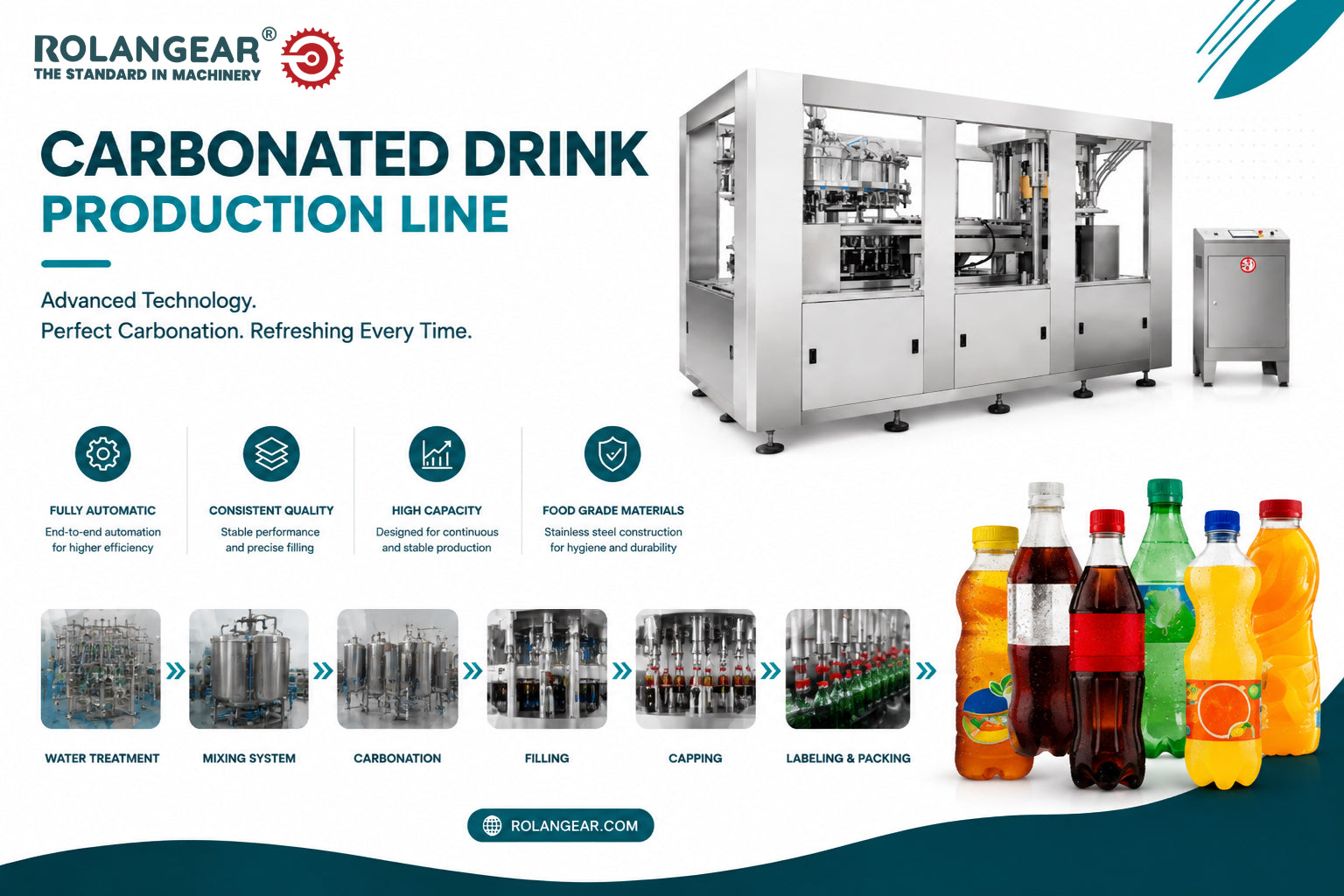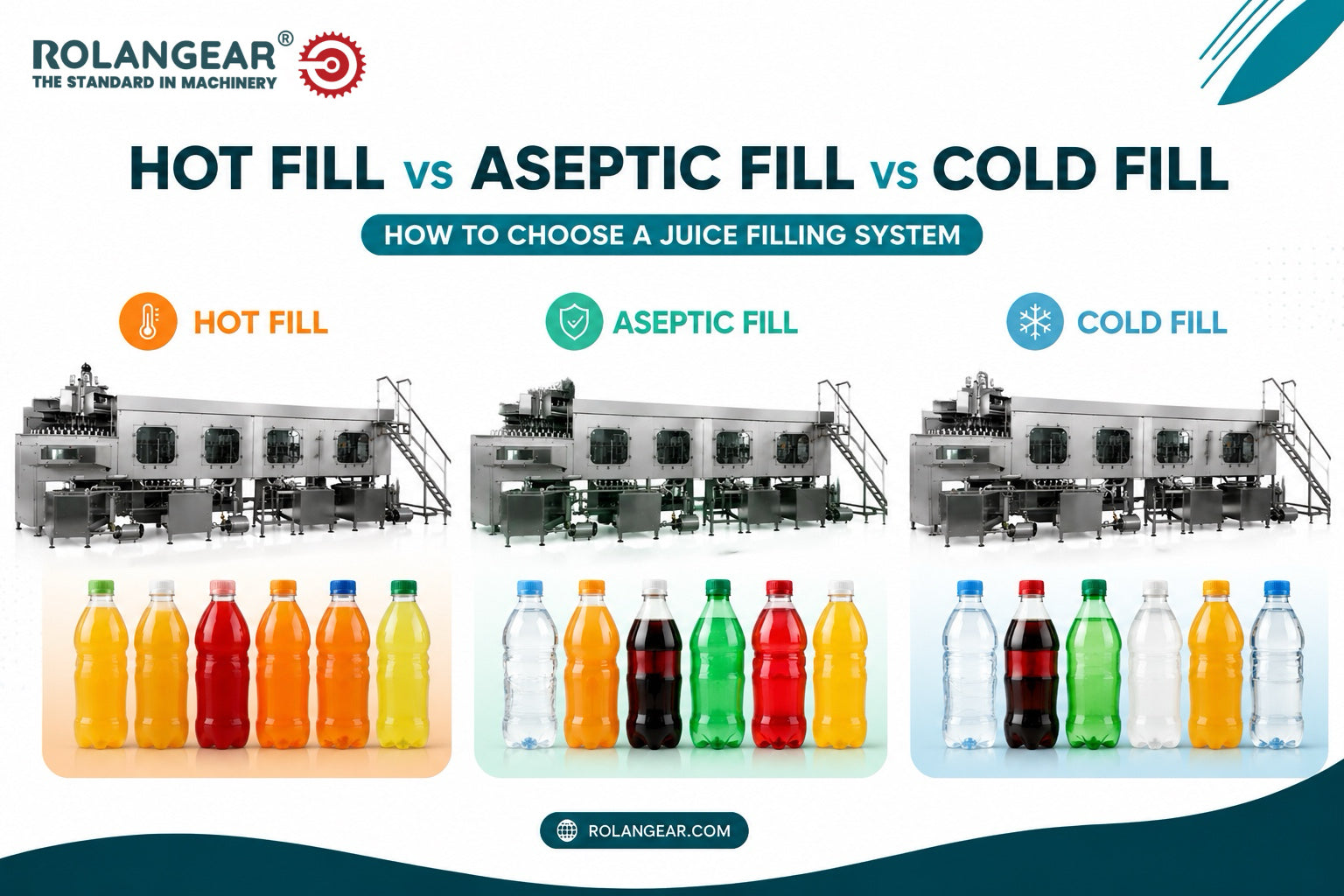
اختيار العصير المناسبنظام التعبئةيعد أحد أهم القرارات في مشروع مصنع المشروبات. تؤثر تقنية التعبئة على سلامة المنتج ومدة الصلاحية والطعم وخيارات التعبئة والتغليف وتكلفة الإنتاج ووضع العلامة التجارية على المدى الطويل. بالنسبة للعديد من الشركات المصنعة للعصائر، المقارنة الرئيسية هي التعبئة الساخنة مقابل التعبئة المعقمة مقابل التعبئة الباردة. يمكن أن يكون كل نظام فعالاً، ولكن كل نظام مصمم لمنتجات وقنوات توزيع وأهداف استثمارية مختلفة.

لا ينبغي التخطيط لمشروع عملي لإنتاج العصير حول آلة التعبئة وحدها. يجب أن يربط الخط الكامل بين تحضير العصير، والترشيح أو المعالجة، والتعقيم، والتعبئة، والتغطية، ووضع العلامات، والتعبئة، ومراقبة الجودة. إذا لم تتم مطابقة هذه الأقسام بشكل صحيح، فقد يواجه المصنع جودة منتج غير مستقرة، أو مدة صلاحية قصيرة، أو تكلفة تشغيل مفرطة، أو قيود على التعبئة والتغليف.
ما أهمية اختيار نظام تعبئة العصير المناسب؟
يقوم نظام تعبئة العصير بأكثر من مجرد نقل السائل إلى زجاجات أو علب كرتون. فهو يساعد على حماية سلامة المنتج والحفاظ على جودة المشروبات والتحكم في دقة التعبئة ودعم الإستراتيجية التجارية للعلامة التجارية. يمكن أن تؤدي طريقة التعبئة الخاطئة إلى جعل إنتاج المنتج مكلفًا للغاية، أو يصعب توزيعه أو غير قادر على تلبية هدف العمر الافتراضي المطلوب.

منتجات العصير ليست كلها متشابهة. بعض المشروبات حمضية ومناسبة للتعبئة الساخنة. يحتوي بعضها على مكونات حساسة قد تتطلب حماية أكثر تقدمًا. تريد بعض العلامات التجارية صورة مبردة جديدة وتقبل دورات توزيع أقصر. وبسبب هذه الاختلافات، يجب اختيار المعدات وفقًا لصيغة المنتج ونوع العبوة ومتطلبات التخزين وسوق المبيعات.
تشمل العوامل الرئيسية المتأثرة بتكنولوجيا التعبئة ما يلي:
- مدة الصلاحية ودرجة حرارة التخزين
- النكهة واللون ونضارة المنتج
- مواد التعبئة والتغليف وتصميم الحاويات
- اشتراطات النظافة والتعقيم في المصنع
- سرعة الإنتاج وترتيب العمالة
- الاستثمار الأولي وتكاليف التشغيل على المدى الطويل
- إمكانية التوزيع المحلي أو الإقليمي أو التصديري
بالنسبة لمستثمري المشروبات، فإن النظام الأفضل ليس دائمًا هو الخيار الأكثر تكلفة أو الأكثر تقدمًا. أفضل نظام هو الذي يناسب المنتج ونموذج العمل. قد يحتاج مشروب العصير المتوفر في السوق إلى خط تعبئة ساخن موثوق به وفعال من حيث التكلفة، في حين أن منتج التصدير المتميز قد يستفيد من التكنولوجيا المعقمة. قد تعطي العلامة التجارية المحلية للعصير الطازج الأولوية للتعبئة الباردة مع الخدمات اللوجستية المبردة.
ما هو نظام تعبئة العصير؟
نظام تعبئة العصير هو جزء من خط إنتاج المشروبات الذي يقوم بتعبئة العصير المحضر في حاويات تحت ظروف صحية خاضعة للرقابة. يتضمن الحل الكامل عادةً الإعداد الأولي والتعبئة النهائية لأن طريقة التعبئة يجب أن تتطابق مع عملية الإنتاج الكاملة.

تشمل الأقسام النموذجية تحضير العصير، ومزج المكونات، والترشيح أو المعالجة، والتعقيم، والتعبئة، والتغطية أو الختم، ووضع العلامات، والتعبئة، والفحص، ومعالجة المنتج النهائي. يساهم كل قسم في سلامة المنتج وكفاءة الإنتاج. لا يمكن لآلة التعبئة أن تحل المشكلات الناجمة عن سوء الإعداد أو التعقيم غير المناسب أو تصميم التغليف الضعيف.
يجب أن يتم تصميم النظام الصحيح حول خصائص المشروبات. تشمل الأسئلة المهمة ما إذا كان المشروب حمضيًا، وما إذا كان يحتوي على اللب، وما إذا كانت المكونات حساسة للحرارة، وما إذا كان التخزين المحيط مطلوبًا، وما هي الحاوية التي سيتم استخدامها وإلى أي مدى سيتم توزيع المنتج. تحدد هذه الإجابات ما إذا كانت الحشوة الساخنة أو الحشوة المعقمة أو الحشوة الباردة أكثر ملاءمة.
نظرة عامة: التعبئة الساخنة مقابل التعبئة المعقمة مقابل التعبئة الباردة
نظام التعبئة الساخنة
يستخدم الحشو الساخن على نطاق واسع للعديد من مشروبات عصير الفاكهة ومشروبات الشاي والمشروبات المنكهة والمشروبات الحمضية. في عملية التعبئة الساخنة، تتم معالجة المشروبات عند درجة حرارة مرتفعة وتعبئتها في حاويات وهي ساخنة. تساعد الحرارة على حماية المنتج والعبوة، مما يدعم مدة الصلاحية المستقرة للعديد من فئات المشروبات التجارية.
تحظى التعبئة الساخنة بشعبية كبيرة لأنها توفر توازنًا عمليًا بين تكلفة الاستثمار وموثوقية الإنتاج وأداء العمر الافتراضي. غالبًا ما يكون مناسبًا للشركات التي تدخل سوق العصير أو تنتج مشروبات بالتجزئة بكميات كبيرة. ومع ذلك، يجب على الشركات المصنعة التأكد مما إذا كانت تركيبتها قادرة على تحمل المعالجة الحرارية دون فقدان الخصائص الحسية أو الغذائية المهمة.
نظام التعبئة العقيم
الحشوة المعقمة هي تقنية أكثر تقدمًا مصممة لحماية المنتج والعبوة في ظل ظروف معقمة. تتم إدارة تعقيم المنتج وتعقيم العبوة بعناية بحيث يمكن تعبئة المشروبات في بيئة خاضعة للرقابة. غالبًا ما يتم اختيار هذه الطريقة للعصائر الممتازة والمشروبات الوظيفية والمشروبات الغذائية والمنتجات التي تتطلب مدة صلاحية أطول في البيئة المحيطة.
يمكن للأنظمة المعقمة توفير حماية أقوى للمنتج والحفاظ على جودة أفضل للمشروبات الحساسة. وقد تدعم أيضًا أسواق التوزيع والتصدير على نطاق أوسع. والمقايضة هي زيادة الاستثمار، والعمليات الأكثر تعقيدا، والإدارة الفنية الأكثر صرامة. يجب اختيار الحشوة المعقمة عندما تتمكن استراتيجية المنتج من تبرير التكلفة الإضافية ومتطلبات التشغيل.
نظام التعبئة الباردة
تُستخدم الحشوة الباردة للمشروبات الموضوعة حول النضارة أو المذاق الطبيعي أو التوزيع المبرد. تتم تعبئة المنتج بدرجة حرارة أقل مقارنة بعمليات التعبئة الساخنة، مما يساعد في الحفاظ على خصائص الطراز الطازج. قد يكون هذا النهج مناسبًا للعصائر الطبيعية المتميزة وعلامات العصائر الطازجة المحلية وبرامج المشروبات المبردة.
تتطلب منتجات التعبئة الباردة عادة سلسلة تبريد موثوقة، بما في ذلك التخزين المبرد، والنقل الذي يتم التحكم في درجة حرارته، ودورات توزيع أسرع. لهذا السبب، فإن التعبئة الباردة ليست حلاً شاملاً لكل مصنع للمشروبات. يعمل بشكل أفضل عندما تتمكن شبكة المبيعات وتحديد موقع المنتج من دعم الخدمات اللوجستية المبردة.
مقارنة تفصيلية لطرق التعبئة
تساعد المقارنة التالية مستثمري المشروبات على فهم الاختلافات الرئيسية بين أنظمة التعبئة الساخنة والتعبئة المعقمة والتعبئة الباردة. يجب دائمًا تأكيد التكوين الدقيق للمعدات وفقًا لصيغة المنتج وتصميم الحاوية والسعة ومتطلبات السوق المحلية.

- يعد التعبئة الساخنة هو الأفضل للعديد من مشروبات العصير الحمضية ومشروبات الشاي ومنتجات السوق الشامل. إنه يوفر تقنية مجربة ومدة صلاحية موثوقة واستثمارًا معتدلًا.
- الحشوة المعقمة هي الأفضل للمشروبات الفاخرة والتركيبات الحساسة والتوزيع المحيطي الطويل. إنه يوفر حماية قوية للمنتج ولكنه يتطلب استثمارًا أعلى ومراقبة فنية.
- التعبئة الباردة هي الأفضل للمنتجات الطازجة والعلامات التجارية المبردة. وهو يدعم وضع الطعم الطازج ولكنه يعتمد على التخزين البارد ودورات التوزيع الأقصر.
عند مقارنة التعبئة الساخنة مقابل التعبئة المعقمة، يجب على المستثمرين النظر إلى ما هو أبعد من سعر المعدات. قد تكون التعبئة الساخنة أقل تكلفة وأسهل في التشغيل، ولكن التعبئة المعقمة قد تخلق قيمة أفضل على المدى الطويل للمنتجات المتميزة أو الموجهة للتصدير. يجب تقييم التعبئة الباردة كقرار كامل لسلسلة التوريد لأن متطلبات التبريد تستمر بعد الإنتاج.
جودة المنتج
تشمل جودة المنتج النكهة والرائحة واللون والملمس الفموي والإدراك الغذائي. تعتبر التعبئة الساخنة فعالة للعديد من المشروبات ولكنها قد لا تكون مثالية للتركيبات شديدة الحساسية للحرارة. يمكن أن تساعد الحشوة المعقمة في حماية المنتجات الحساسة مع تحقيق أداء قوي طوال فترة الصلاحية. تدعم الحشوة الباردة خصائص الطراز الطازج ولكنها تتطلب التحكم في درجة الحرارة بعد الإنتاج.
مدة الصلاحية والتوزيع
غالبًا ما تحدد متطلبات العمر الافتراضي تقنية التعبئة. قد تستخدم المنتجات المبردة المحلية الحشو البارد إذا كانت سلسلة التبريد موثوقة. قد تستخدم منتجات التجزئة الإقليمية التعبئة الساخنة لموازنة التكلفة والاستقرار التجاري. قد تتطلب المنتجات التي تستهدف التصدير أو التوزيع لمسافات طويلة تعبئة معقمة، خاصة عندما يكون التخزين المحيط مطلوبًا.
توافق التغليف
يجب أن تتوافق العبوة مع عملية التعبئة. لكل من زجاجات PET والزجاجات والكرتون متطلبات أداء مختلفة. يجب أن تتحمل عبوات التعبئة الساخنة درجة حرارة التعبئة وتغيرات الفراغ أو التبريد. يجب تعقيم العبوات المعقمة والتعامل معها تحت ظروف خاضعة للرقابة. يجب أن تدعم العبوات المملوءة بالبرد التخزين المبرد وعرض العلامة التجارية.
كيفية اختيار نظام تعبئة العصير المناسب

1. ابدأ بصيغة المشروبات
الصيغة هي نقطة القرار الأولى. مستوى الحمض، محتوى اللب، مستوى السكر، اللزوجة، المكونات الوظيفية وحساسية الحرارة كلها تؤثر على تكنولوجيا التعبئة. قد يكون مشروب العصير الحمضي البسيط مناسبًا تمامًا للتعبئة الساخنة، في حين أن المشروبات التي تحتوي على فيتامينات حساسة أو ذات وضع طبيعي ممتاز قد تتطلب تقييم التعبئة المعقمة أو الباردة.
2. تحديد متطلبات مدة الصلاحية
يجب أن تتوافق مدة الصلاحية مع استراتيجية المبيعات. المنتج الذي يتم بيعه محليًا من خلال المتاجر المبردة له متطلبات مختلفة عن المنتج الذي يتم شحنه إلى محلات السوبر ماركت الإقليمية أو موزعي التصدير. قبل اختيار المعدات، حدد ما إذا كان يجب تخزين المنتج في درجة الحرارة المحيطة، والمدة التي يجب أن يظل فيها مستقرًا، وما إذا كانت شبكة التوزيع يمكنها دعم التبريد.
3. تأكيد تنسيق التغليف
يؤثر اختيار الحاوية على تكلفة المعدات وصورة المنتج وطريقة التعبئة. تُستخدم زجاجات PET على نطاق واسع لأنها خفيفة الوزن ومرنة ومناسبة للعديد من مشروبات البيع بالتجزئة. تخلق الزجاجات صورة متميزة ولكنها تتطلب معالجة دقيقة. غالبًا ما ترتبط الكراتين بفترة صلاحية أطول وتوزيع مناسب. يجب أن تدعم الحزمة كلاً من المتطلبات الفنية وتحديد موقع العلامة التجارية.
4. مطابقة مستوى السعة والأتمتة
يجب أن تتوافق الطاقة الإنتاجية مع قنوات البيع وميزانية الاستثمار والنمو المستقبلي. قد تعطي المصانع الصغيرة الأولوية للأنظمة المرنة وتخفض الاستثمار الأولي. قد تحتاج المصانع المتوسطة إلى أتمتة أقوى وإنتاج أكثر استقرارًا. قد تتطلب مصانع المشروبات الكبيرة تعبئة عالية السرعة وتغليفًا آليًا وتحكمًا أقوى في العملية. يجب أن تقلل الأتمتة من العمالة بينما تظل عملية لفريق المشغل.
5. تقييم إجمالي الاستثمار، وليس سعر الماكينة فقط
تشمل تكلفة نظام تعبئة العصير أكثر من آلة التعبئة. يجب على المستثمرين النظر في صهاريج التحضير، ومعدات التعقيم، وآلات التعبئة والتغطية، والناقلات، ووضع العلامات، والتعبئة الثانوية، والمرافق، والتركيب، وقطع الغيار، وتدريب المشغلين، وتخطيط المصنع. قد تتطلب مشاريع التعبئة الباردة أيضًا تخزينًا مبردًا وتوزيعًا يتم التحكم في درجة حرارته.
المعدات الرئيسية في خط تعبئة العصير
يتضمن الحل الكامل لتعبئة العصير العديد من الأنظمة التي يجب أن تعمل معًا. يعتمد التكوين النهائي على ما إذا كان المشروع يستخدم التعبئة الساخنة أو التعبئة المعقمة أو التعبئة الباردة أو الحل المخصص.

- نظام تحضير العصير: يمزج المكونات ويدعم تماسك التركيبة قبل التعبئة.
- نظام الترشيح أو المعالجة: يزيل الجزيئات غير المرغوب فيها أو يجهز المنتج للمعالجة النهائية عند الحاجة.
- نظام التعقيم: يدعم سلامة المنتج وأداء العمر الافتراضي وفقًا لتقنية التعبئة.
- آلة التعبئة: تنقل العصير إلى حاويات مع تشغيل صحي وتحكم دقيق في الحجم.
- نظام التغطية أو الختم: يغلق الزجاجات أو الكراتين أو الحاويات لحماية المنتج بعد التعبئة.
- قسم التبريد أو التثبيت: يستخدم عندما تتطلب العملية تثبيت المنتجات قبل وضع العلامات أو التعبئة.
- نظام وضع العلامات: يطبق ملصقات الأكمام أو المواد اللاصقة أو غيرها من الملصقات لعرض البيع بالتجزئة.
- نظام التعبئة والتغليف: يقوم بتحضير المنتجات النهائية للتخزين والنقل والتوزيع.
- معدات الفحص: قد تشمل مستوى التعبئة، أو فحص الغطاء، أو فحوصات ترميز التاريخ أو أنظمة مراقبة الجودة الأخرى.
لا يجوز نسخ قائمة المعدات من مصنع آخر دون مراجعتها. حتى منتجات العصير المماثلة قد تتطلب خزانات ومضخات وصمامات وطرق تعقيم ورؤوس تعبئة ومعدات تعبئة مختلفة اعتمادًا على اللزوجة وحجم الحاوية وهدف الإنتاج.
على سبيل المثال، قد يتطلب العصير ذو اللب مضخات وصمامات تعبئة مختلفة مقارنة بمشروب العصير الصافي. قد يحتاج منتج الزجاجات المتميز إلى التعامل مع الحاويات بطريقة أكثر لطفًا من خط زجاجات PET القياسي. إذا أراد المصنع إضافة نكهات جديدة لاحقًا، فيجب أن يدعم النظام أيضًا التنظيف العملي وتغيير الوصفة وترقيات السعة المستقبلية دون التسبب في فترات توقف غير ضرورية.
التكلفة والأتمتة وتخطيط تخطيط المصنع
تعتمد تكلفة نظام تعبئة العصير على تقنية التعبئة والقدرة الإنتاجية ومستوى الأتمتة وشكل التغليف ونوع المنتج ومتطلبات المصنع. غالبًا ما تكون خطوط التعبئة الساخنة أكثر فعالية من حيث التكلفة بالنسبة للعديد من منتجات العصير القياسية. تتطلب الخطوط المعقمة عادةً استثمارًا أعلى ولكنها قد تدعم تحديد المواقع المتميزة وعمر تخزين أطول. يجب أن تتضمن مشاريع التعبئة الباردة تكلفة التبريد وتوزيع سلسلة التبريد.

يجب أن يخلق تخطيط المصنع تدفقًا منطقيًا من تخزين المواد الخام إلى التحضير والمعالجة والتعبئة والتغليف وتخزين المنتج النهائي. يقلل التصميم الجيد من الحركة غير الضرورية ويحسن إدارة النظافة ويجعل الصيانة أسهل. يعد تقسيم المناطق الصحية مهمًا بشكل خاص لأن إنتاج المشروبات يجب أن يتحكم في مخاطر التلوث أثناء التحضير والتعبئة.
وينبغي أيضًا تأكيد تخطيط المرافق مبكرًا. اعتمادًا على المعدات، قد يحتاج المصنع إلى طاقة ثابتة، وهواء مضغوط، وإمدادات المياه، والبخار أو الماء الساخن، ومياه التبريد، والصرف الصحي، والتهوية، ومناطق الإنتاج النظيفة. إذا كان المصنع يخطط للتوسع المستقبلي، فيجب أن يوفر التصميم مساحة لخزانات إضافية أو آلات تعبئة أو معدات تعبئة عالية السرعة.
مراقبة الجودة والتنظيف والصيانة
يجب أن تغطي مراقبة الجودة عملية الإنتاج بأكملها، وليس فقط الزجاجة أو الكرتونة النهائية. تشمل نقاط التحكم المهمة جودة المواد الخام، ودقة التركيبة، وأداء الترشيح، وظروف التعقيم، وحجم التعبئة، وسلامة الغطاء أو الختم، وموضع الملصق، وترميز التاريخ، وجودة التغليف. تعتمد الجودة المستقرة على تنسيق جميع المراحل.

يعد التنظيف أمرًا بالغ الأهمية لأن منتجات العصير يمكن أن تحتوي على السكر واللب والنكهات والمكونات الطبيعية التي تترك بقايا في الخزانات وخطوط الأنابيب وصمامات التعبئة. يجب أن يتم تصميم الخط للتنظيف العملي والتغيير المتحكم به وتقليل مخاطر التلوث. قد تختلف متطلبات التنظيف بين أنظمة التعبئة الساخنة والتعبئة المعقمة والتعبئة الباردة.
تساعد الصيانة الوقائية على تقليل وقت التوقف عن العمل وحماية أداء الإنتاج على المدى الطويل. يجب فحص المضخات والصمامات ورؤوس التعبئة والأختام وأجهزة الاستشعار والناقلات وأنظمة السد والملصقات بانتظام. يعد تخطيط قطع الغيار أمرًا مهمًا لأن الأعطال الصغيرة في المكونات يمكن أن تؤدي إلى مقاطعة خط الإنتاج بأكمله أثناء فترات الإنتاج المزدحمة.
لماذا تختار رولانجير؟
توفر Rolangear حلول أنظمة تعبئة العصير المخصصة لمصنعي المشروبات الذين يخططون لإنشاء مصانع جديدة أو تحديث الخطوط الحالية. بدلاً من اختيار المعدات حسب سعر الماكينة فقط، تساعد Rolangear العملاء على تقييم نوع المشروبات ومتطلبات العمر الافتراضي وشكل التغليف والسعة المستهدفة وتخطيط المصنع وخطة الاستثمار.
يمكن لـ Rolangear أن تدعم خطوط تعبئة العصير الساخنة، وحلول التعبئة المعقمة، وأنظمة تعبئة المشروبات الباردة، وتكوينات الإنتاج المخصصة. يمكن أن يشمل المشروع تصميم خط الإنتاج واختيار المعدات ومطابقة العمليات وتخطيط تخطيط المصنع ودعم التثبيت والمساعدة في التشغيل وتوجيه المشغل.
الأسئلة المتداولة
ما هو الفرق بين التعبئة الساخنة والحشوة المعقمة؟
تستخدم التعبئة الساخنة المعالجة والتعبئة القائمة على الحرارة لدعم المنتجات التجارية المستقرة، بينما تعمل التعبئة المعقمة على تعقيم المنتج والعبوة في ظل ظروف خاضعة للرقابة لدعم حماية أقوى للمنتج وأداء أطول عمرًا.
ما هو نظام التعبئة الأفضل لإنتاج العصير؟
لا يوجد خيار عالمي أفضل. تعتبر التعبئة الساخنة والحشوة المعقمة والحشوة الباردة مناسبة لمختلف المنتجات والأسواق. يعتمد الخيار الأفضل على الصيغة وهدف العمر الافتراضي والتعبئة وطريقة التوزيع وخطة الاستثمار.
هل الحشوة الساخنة مناسبة لعصير الفاكهة؟
نعم. يتم استخدام التعبئة الساخنة على نطاق واسع للعديد من مشروبات عصير الفاكهة والمشروبات الحمضية لأنها توفر تقنية مجربة ومدة صلاحية موثوقة وتكلفة استثمارية عملية. يجب تقييم المنتجات الحساسة للحرارة بعناية.
هل الحشوة المعقمة أكثر تكلفة؟
تتطلب التعبئة المعقمة عادةً استثمارًا أعلى لأن النظام أكثر تقدمًا ويتطلب رقابة فنية أكثر صرامة. يمكن أن تكون ذات قيمة بالنسبة للمنتجات المتميزة والتركيبات الحساسة والأسواق الموجهة للتصدير.
متى يجب على المصنع اختيار التعبئة الباردة؟
تعتبر التعبئة الباردة مناسبة عندما تركز العلامة التجارية على المشروبات الطازجة ولديها تخزين وتوزيع مبرد موثوق به. قد لا يكون مثاليًا للأسواق التي تتطلب مدة صلاحية طويلة.
هل يمكن لـ Rolangear المساعدة في اختيار نظام تعبئة العصير المناسب؟
نعم. يمكن لـ Rolangear تقييم نوع المنتج والتعبئة والسعة ومتطلبات العمر الافتراضي وظروف المصنع وأهداف الاستثمار، ثم التوصية بحل مناسب لإنتاج العصير.
الاستنتاج
يعد الاختيار بين التعبئة الساخنة والتعبئة المعقمة والتعبئة الباردة قرارًا استراتيجيًا لأي مشروع لإنتاج العصير. تؤثر طريقة التعبئة على جودة المنتج ومدة الصلاحية واختيار التغليف وتكلفة المصنع ونطاق التوزيع ووضع العلامة التجارية. يجب أن تتوافق التكنولوجيا الصحيحة مع تركيبة المشروبات وسوق المبيعات ومتطلبات التخزين وخطة العمل طويلة المدى.
يتطلب مصنع العصير الناجح أكثر من مجرد آلة تعبئة. يجب أن يعمل الإعداد والمعالجة والتعقيم والتعبئة والختم ووضع العلامات والتعبئة والتنظيف ومراقبة الجودة معًا كنظام إنتاج كامل واحد. من خلال التخطيط للخط الكامل بعناية، يمكن لمصنعي المشروبات تقليل المخاطر وتحسين استقرار المنتج وبناء أساس أقوى لنمو الأعمال.
خطط لنظام تعبئة العصير الخاص بك باستخدام Rolangear
يمكن أن تساعدك Rolangear في مقارنة خيارات التعبئة الساخنة والتعبئة المعقمة والتعبئة الباردة وتصميم نظام عملي لتعبئة العصير استنادًا إلى منتجك وتنسيق التغليف ومتطلبات السعة وتصميم المصنع. اتصل بـ Rolangear لمناقشة مشروع المشروبات الخاص بك وطلب عرض أسعار مخصص جاهز للاستخدام.
تواصل مع رولانجير