
مقدمة: بناء مشروع ناجح لتصنيع البسكويت في عام 2026
يمكن أن يكون إنشاء مصنع لتصنيع البسكويت في عام 2026 فرصة استثمارية قوية لرواد الأعمال، وعلامات المخابز التجارية، وشركات الأغذية، والمصنعين الذين يرغبون في دخول سوق الوجبات الخفيفة المعبأة. يُستهلك البسكويت في جميع أنحاء العالم لأنه ميسور التكلفة ومريح وسهل التخزين ومناسب للعديد من الفئات العمرية. وتشمل هذه الفئة البسكويت الحلو، والكوكيز، والمقرمشات، وبسكويت الساندويتش بالكريمة، وبسكويت الهضم، والبسكويت الوظيفي الفاخر.
ومع ذلك، فإن مصنع البسكويت المربح يتطلب أكثر من مجرد شراء بعض الآلات. يجب أن يربط المشروع الاحترافي تخطيط المنتج، وتطوير الوصفات، والقدرة الإنتاجية، وتكوين المعدات، وتصميم المصنع، ومراقبة المواد الخام، وتقنية الخبز، والتعبئة، وفحص الجودة، والتوزيع في السوق. تؤثر كل مرحلة على جودة المنتج النهائي، ومدة صلاحيته، وكفاءة الإنتاج، والربحية على المدى الطويل.
يتبع خط إنتاج البسكويت الحديث عادةً هذا التدفق:
يشرح هذا الدليل كيفية بدء مصنع لتصنيع البسكويت في عام 2026، وما هي الآلات المطلوبة، وكيفية تخطيط المصنع، وما هي عوامل التكلفة التي تؤثر على المشروع، وكيفية اختيار المورد المناسب لخط إنتاج البسكويت.
لماذا تستثمر في مصنع لتصنيع البسكويت في عام 2026؟
يظل البسكويت أحد أكثر فئات المنتجات استقرارًا في صناعة المخابز والوجبات الخفيفة. على عكس بعض الأطعمة التي تعتمد بشكل كبير على الطلب الموسمي، يتم شراء البسكويت بانتظام للاستهلاك المنزلي، ووجبات المدارس الخفيفة، والاستخدام المكتبي، وتوريد الفنادق، ورفوف التجزئة، والمبيعات عبر الإنترنت. كما أن مدة صلاحيتها الطويلة وسهولة نقلها تجعلها مناسبة للتوزيع الإقليمي وأسواق التصدير.
الطلب المتزايد على الوجبات الخفيفة المعبأة المريحة
يفضل المستهلكون الحديثون الطعام الجاهز للأكل، سهل الحمل، والمتوفر بمستويات أسعار مختلفة. يتوافق البسكويت مع هذه الاحتياجات لأنه يمكن بيعه كوجبات خفيفة يومية بأسعار معقولة أو وضعه كمنتجات فاخرة بنكهات خاصة، أو مكونات صحية، أو عبوات جذابة.
بالنسبة للمصنعين، يخلق هذا العديد من الفرص:
1. توريد محلات السوبر ماركت والمتاجر الصغيرة
2. إنتاج بسكويت خاص للعلامات التجارية بالتجزئة
3. البيع بالجملة للموزعين ومشترين خدمات الطعام
4. تطوير بسكويت فاخر لأسواق ذات هامش ربح أعلى
5. إنشاء منتجات لقنوات التصدير

تنوع المنتجات الواسع يخلق المزيد من فرص العمل
يمكن لمصنع البسكويت تصنيع منتجات مختلفة عن طريق تغيير الوصفات، والقوالب، وأنظمة التشكيل، وأنظمة التعبئة، وتنسيقات التعبئة والتغليف. تشمل الفئات الشائعة البسكويت الحلو، وكوكيز الزبدة، والمقرمشات، وبسكويت الساندويتش، والبسكويت المغطى بالشوكولاتة، والبسكويت قليل السكر، والبسكويت عالي الألياف، وبسكويت الحبوب الكاملة.
هذه المرونة هي أحد الأسباب التي تجعل تصنيع البسكويت يجذب المستثمرين. قد يبدأ المصنع بمنتج أو منتجين أساسيين ثم يتوسع لاحقًا في فئات جديدة مع نمو طلب السوق. المفتاح هو اختيار المعدات التي تتناسب مع المنتجات الحالية مع السماح بالتوسع المستقبلي المعقول.
أنواع منتجات البسكويت ومتطلبات التصنيع

قبل شراء خط إنتاج البسكويت، يجب على المستثمرين تحديد المنتجات الدقيقة التي يريدون إنتاجها. تتطلب أنواع البسكويت المختلفة خصائص عجينة مختلفة، وطرق تشكيل، وظروف خبز، وأنماط تعبئة وتغليف.
خط إنتاج الكوكيز
عادةً ما تستخدم الكوكيز عجينة أكثر ليونة وغالبًا ما تتطلب أشكالًا أو أنماطًا أو زينة جذابة. تُستخدم قوالب الدوران بشكل شائع لأنها تسمح بالتشكيل المستمر بتصاميم قوالب مختلفة. يتضمن خط الكوكيز النموذجي خلاط عجين، آلة تشكيل دوارة، فرن نفق، ناقل تبريد، وآلة تغليف.
خط إنتاج البسكويت الصلب والمقرمشات
يتطلب البسكويت الصلب والمقرمشات معالجة عجينة أقوى وتحكمًا أكثر دقة في السماكة. قد يتضمن خط الإنتاج فرد العجين، وتغليف، وتقطيع، وخبز، وتبريد، وتعبئة وتغليف. التغليف مهم بشكل خاص للمقرمشات لأنه يساعد في إنشاء النسيج الطبقي المطلوب والهشاشة.
خط إنتاج بسكويت الساندويتش
يتطلب بسكويت الساندويتش عملية إعداد وحشو كريمة إضافية. بعد خبز البسكويت وتبريده، تضع آلة ساندويتش الكريمة الحشوة بين قطعتي بسكويت وتجمعها في بسكويت ساندويتش جاهز. يمكن أن تقدم هذه الفئة من المنتجات قيمة أعلى لأن المصنعين يمكنهم إنشاء العديد من النكهات مثل الفانيليا، والشوكولاتة، والفراولة، والجبن، أو الفول السوداني.
منتجات البسكويت الصحية والفاخرة
يستمر اهتمام المستهلكين بالوجبات الخفيفة الصحية في النمو. قد يطور المصنعون بسكويت الحبوب الكاملة، وبسكويت البروتين، والبسكويت قليل السكر، والبسكويت عالي الألياف، أو المنتجات ذات المكونات الخاصة. قد تتطلب هذه المنتجات اختبار وصفات دقيقًا ورقابة جودة أكثر صرامة لأن الملمس والطعم ومدة الصلاحية يجب أن تظل مقبولة.
عملية تصنيع البسكويت الكاملة
 عملية تصنيع البسكويت الكاملة من الخلط إلى التعبئة والتغليف.
يجب تصميم مصنع تصنيع البسكويت الاحترافي كنظام متكامل. يجب أن تتطابق كل خطوة في العملية مع نوع المنتج والقدرة المستهدفة وطريقة التعبئة والتغليف.
1. تحضير المواد الخام
المرحلة الأولى هي تحضير وقياس المكونات. تشمل مكونات البسكويت النموذجية دقيق القمح، والسكر، والزيت النباتي أو الدهون، ومسحوق الحليب، والملح، والبيض، وعوامل التخمير، والنكهات، ومسحوق الكاكاو، ومكونات الكريمة، ومواد التعبئة والتغليف. تؤثر جودة المكونات بشكل مباشر على الطعم، والملمس، واللون، والوزن، ومدة الصلاحية.

الوزن الدقيق ضروري. يمكن أن تسبب الأخطاء الصغيرة في الوصفة اختلافات كبيرة في سلوك العجين وجودة البسكويت النهائية. قد تستخدم المصانع الصناعية أنظمة تخزين الدقيق، وخزانات تخزين السكر، وخزانات الزيت، ومعدات الوزن، وأنظمة نقل المكونات لتحسين الاتساق وتقليل الأخطاء اليدوية.
2. خلط العجين
يجمع خلط العجين المكونات ويخلق بنية العجين الصحيحة. يجب التحكم في وقت الخلط، وسرعة الخلط، ودرجة الحرارة، وتسلسل المكونات. تتطلب الكوكيز الطرية خلطًا لطيفًا وعجينة مرنة. تتطلب المقرمشات والبسكويت الصلب تطوير عجين أقوى وتشكيل صفائح مستقرة. يحتاج بسكويت الساندويتش إلى بنية قوية بما يكفي لدعم الحشوة دون أن يتكسر.

يساعد الخلاط الموثوق في تحقيق توزيع موحد للمكونات، واتساق عجين مستقر، وتقليل هدر الإنتاج، وتحسين قابلية تكرار المنتج. يجب أن تتناسب سعة الخلاط مع قدرة التشكيل والخبز في المراحل اللاحقة حتى يتمكن الخط من العمل بسلاسة.
3. تشكيل العجين
بعد الخلط، يدخل العجين مرحلة التشكيل. تعتمد طريقة التشكيل الصحيحة على المنتج.
القوالب الدوارة مناسبة للكوكيز والبسكويت المشكل. يتم ضغط العجين في قوالب محفورة ونقله إلى ناقل الخبز. تدعم هذه الطريقة الكفاءة العالية، والوزن المستقر، والتصميم المرن للمنتج.

الفرد والتقطيع شائعان للبسكويت الصلب والمقرمشات. يتم تشكيل العجين إلى صفائح مستمرة، وتعديلها إلى السماكة المطلوبة، وتقطيعها إلى أشكال. يمكن إضافة عملية التغليف لتحسين الملمس والبنية.
يمكن استخدام الترسيب لمنتجات العجين الأكثر ليونة التي تتطلب أشكالًا أو أنسجة خاصة. الهدف من جميع أنظمة التشكيل هو إنتاج حجم ووزن وسمك ومظهر متسق قبل الخبز.
4. الخبز في الفرن النفقي
الخبز هو أحد أهم المراحل في تصنيع البسكويت. يتحكم الفرن النفقي في إزالة الرطوبة، وتطوير البنية، واللون، والهشاشة، والملمس النهائي. تحتوي الأفران النفقية الصناعية عادةً على عدة مناطق تسخين. يمكن تعديل كل منطقة لإدارة أجزاء مختلفة من عملية الخبز.

إذا لم يتم التحكم في الخبز بشكل صحيح، قد يصبح البسكويت طريًا جدًا، أو داكنًا جدًا، أو جافًا جدًا، أو غير متساوي اللون، أو غير مستقر أثناء التخزين. يجب اختيار طول الفرن، وطريقة التسخين، وعرض الناقل، والتحكم في درجة الحرارة، وكفاءة الطاقة وفقًا للمنتج والقدرة المستهدفة.
5. التبريد وفحص الجودة
بعد الخبز، يجب تبريد البسكويت قبل التعبئة. إذا تم تعبئة البسكويت الساخن مبكرًا جدًا، فقد تتراكم الرطوبة داخل العبوة وتقلل من الهشاشة أو مدة الصلاحية. تسمح نواقل التبريد للمنتجات بالاستقرار أثناء انتقالها نحو الفحص والتعبئة.

قد تشمل مراقبة الجودة خلال هذه المرحلة فحص الشكل، واللون، والوزن، والسماكة، والكسر، والعيوب السطحية، وجاهزية التعبئة والتغليف. تستخدم بعض المصانع أيضًا أجهزة الكشف عن المعادن أو أجهزة فحص الوزن اعتمادًا على متطلبات سلامة الغذاء ومعايير السوق.

صورة أجهزة فحص الوزن
6. حشو الكريمة والتعبئة والتغليف
بالنسبة لبسكويت الساندويتش، تدخل قطع البسكويت المبردة إلى آلة ساندويتش الكريمة. يقوم النظام بتغذية البسكويت، ووضع الكريمة، ودمج الطبقات، ونقل المنتجات النهائية نحو التعبئة والتغليف. يجب التحكم في كمية الحشوة ومحاذاة البسكويت للحفاظ على المظهر وقيمة المنتج.

تحمي التعبئة والتغليف البسكويت من الرطوبة، والتلوث، والكسر، وتلف النقل. تشمل الأنظمة الشائعة آلات التغليف بالتدفق، وآلات تغليف الوسائد، وآلات تعبئة الكراتين، وأنظمة تعبئة الصناديق. تعمل التعبئة والتغليف الجيدة أيضًا على تحسين جاذبية الرف وصورة العلامة التجارية.
المعدات الرئيسية في خط إنتاج البسكويت الصناعي

يعتمد التكوين الدقيق للمعدات على نوع المنتج، والقدرة المستهدفة، ومستوى الأتمتة، ومساحة المصنع. قد يشمل خط إنتاج البسكويت الأوتوماتيكي النموذجي الآلات التالية.
| المعدات | الوظيفة | نقاط الاختيار الرئيسية |
|---|---|---|
| نظام تخزين ووزن المواد الخام | يخزن ويقيس الدقيق، والسكر، والزيت، والمكونات الأخرى | الدقة، والنظافة، والتحكم في الوصفات، والقدرة |
| خلاط عجين البسكويت | يخلط المكونات في عجينة متجانسة | حجم الدفعة، سرعة الخلط، نوع العجين، طريقة التفريغ |
| آلة فرد العجين وتغليفها | تشكل صفائح العجين والطبقات للبسكويت الصلب أو المقرمشات | التحكم في السماكة، العرض، نوع المنتج، الاستقرار |
| آلة تشكيل أو تقطيع دوارة | تشكل البسكويت قبل الخبز | مرونة القالب، دقة التشكيل، نطاق حجم المنتج |
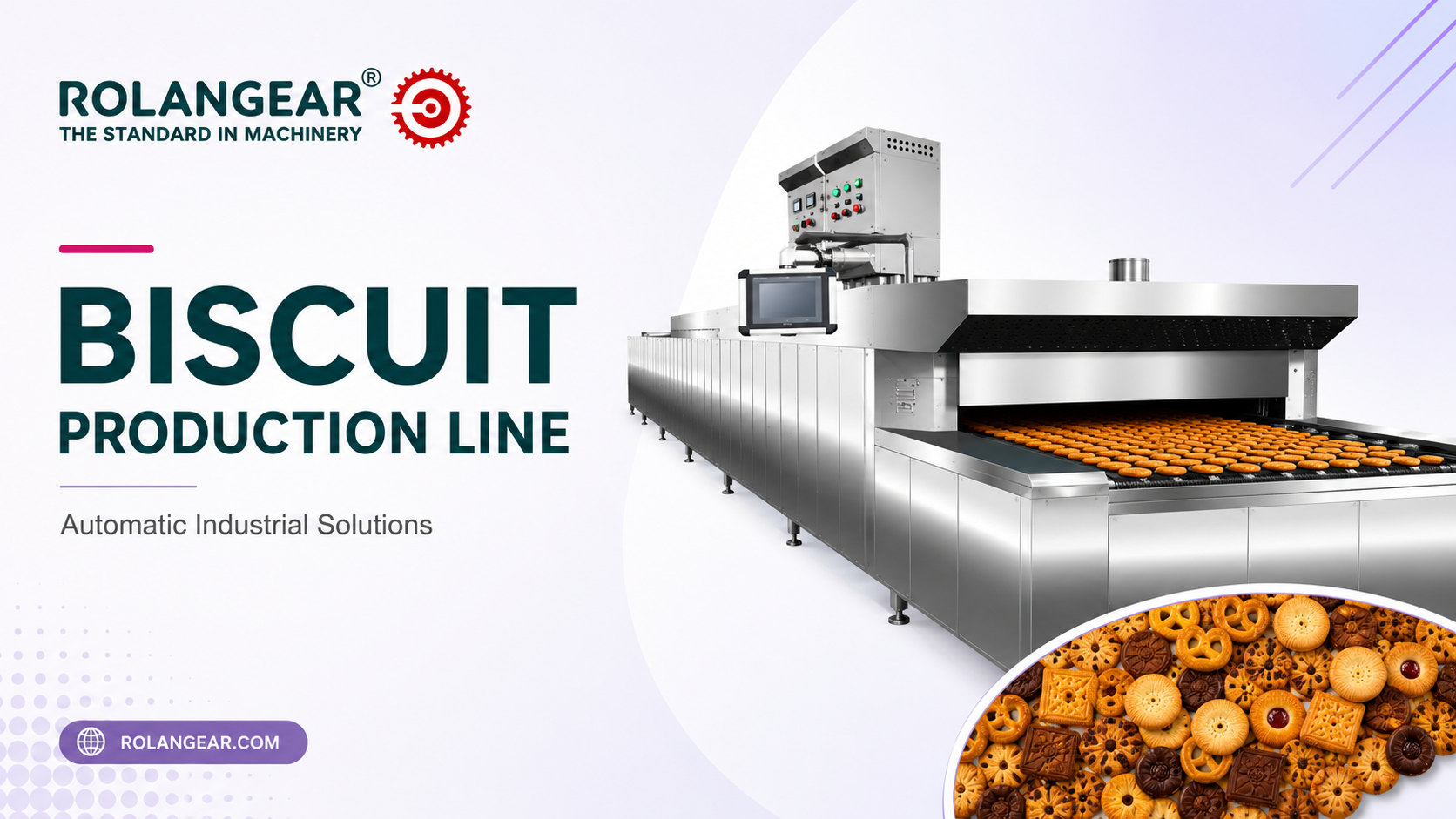
| فرن نفقي | يخبز البسكويت باستمرار | مناطق التسخين، مصدر الطاقة، العرض، الطول، الكفاءة |
| ناقل تبريد | يبرد البسكويت قبل الحشو أو التعبئة | طول الناقل، تصميم النظافة، وقت التبريد، سرعة الخط |
| آلة ساندويتش الكريمة | تضيف حشوة الكريمة بين قطع البسكويت | دقة الحشو، تغيير النكهة، التحكم في المحاذاة |
| نظام الفحص | يفحص جودة المنتج وسلامته | كشف المعادن، فحص الوزن، الفحص البصري |
| آلة التعبئة والتغليف | تغلف وتختم البسكويت الجاهز | نوع الفيلم، السرعة، جودة الختم، الترميز، خيار التعبئة في علب كرتونية |
عندما لا تتوفر المعايير التقنية الدقيقة، يجب تأكيدها وفقًا لحجم البسكويت المستهدف، والقدرة الإنتاجية، ونمط التعبئة والتغليف، ومصدر الطاقة، وتصميم المصنع.
متطلبات تخطيط مصنع البسكويت

يحتاج مصنع البسكويت الناجح إلى تصميم منطقي يدعم تدفق المواد بسلاسة، ونظافة الغذاء، وسلامة العمال، والتوسع المستقبلي. يجب تخطيط المصنع قبل التأكيد النهائي للمعدات لأن طول الخط، وحجم الفرن، وطول سير التبريد، ومنطقة التعبئة والتغليف يمكن أن تؤثر بشكل كبير على متطلبات المساحة.
منطقة تخزين المواد الخام
تخزن هذه المنطقة الدقيق والسكر والزيت والمواد المضافة ومواد التعبئة والتغليف والمكونات الأخرى. يجب أن تكون جافة، جيدة التهوية، نظيفة، ومنظمة للتحكم في المخزون. التحكم في الرطوبة مهم لأن الدقيق والسكر والبسكويت الجاهز يمكن أن يتأثر بالرطوبة.
منطقة الإنتاج
تشمل منطقة الإنتاج الخلط، التشكيل، الخبز، والتبريد. يجب أن يتحرك الخط في اتجاه واضح واحد من تحضير المواد الخام إلى المنتجات النهائية. التصميم الجيد يقلل من المناولة اليدوية، ويقصر وقت النقل، ويحسن النظافة، ويجعل إدارة الإنتاج أسهل.
منطقة التعبئة والتغليف
يجب فصل منطقة التعبئة والتغليف عن مناولة المواد الخام والعمليات المتربة قدر الإمكان. بما أن البسكويت مخبوز وجاهز للأكل، فإن نظافة التعبئة والتغليف مهمة. يجب تخصيص مساحة لآلات التعبئة، والفحص، وترميز التاريخ، وتعبئة الكرتون، ونقل المنتج النهائي.
مخزن المنتج النهائي
يجب تخزين البسكويت الجاهز في ظروف نظيفة وجافة. يجب أن يدعم المستودع التحكم في المخزون بطريقة "الوارد أولاً يصرف أولاً"، وحماية من الرطوبة، وسهولة التحميل، وتوزيع منظم. بالنسبة لمنتجات التصدير، يجب تأكيد قوة التعبئة والتغليف وظروف التخزين بعناية.
عوامل تكلفة مصنع تصنيع البسكويت

يسأل العديد من المستثمرين عن تكلفة خط إنتاج البسكويت. تعتمد الإجابة على المشروع. لا يوجد سعر ثابت واحد لأن لكل مصنع منتجات وقدرات ومستويات أتمتة وظروف مصنع ومتطلبات تعبئة وتغليف مختلفة.
الاستثمار في المعدات
تتأثر تكلفة المعدات بالقدرة الإنتاجية، وحجم الفرن، وعرض السير الناقل، وقدرة الخلاط، وتقنية التشكيل، ومستوى الأتمتة، والأنظمة الاختيارية. عادة ما يكلف خط الكوكيز البسيط أقل من خط بسكويت الساندويتش الكامل مع حشوة الكريمة والتعبئة التلقائية. يتطلب الخط الصناعي عالي القدرة آلات أكبر وأنظمة تحكم أكثر تطوراً.
تكلفة تحضير المصنع
قد يشمل تحضير المصنع الأرضيات، والجدران، والصرف، والتهوية، والأسلاك الكهربائية، وخطوط أنابيب الغاز، والهواء المضغوط، والإضاءة، ومناطق التخزين، ومرافق سلامة الغذاء. يجب تضمين هذه التكاليف في خطة العمل لأن حتى الآلات الجيدة لا يمكن أن تعمل بشكل جيد في بيئة مصنع غير مناسبة.
تكاليف التشغيل
تشمل تكاليف التشغيل اليومية الدقيق، والسكر، والزيت، والنكهات، ومكونات الكريمة، وفيلم التعبئة والتغليف، والكراتين، والكهرباء، والغاز، والعمالة، والصيانة، وقطع الغيار، واختبار الجودة، والنقل، وعوائد المنتج. غالبًا ما يكون فرن النفق أحد أكبر الآلات المستهلكة للطاقة، لذا يجب مراعاة كفاءة الطاقة أثناء اختيار المعدات.
تخطيط القدرة
يجب أن تتطابق القدرة مع طلب السوق والنمو المستقبلي. تزيد المعدات ذات الحجم الزائد من ضغط الاستثمار وقد تهدر الطاقة. تحد المعدات ذات الحجم الناقص من نمو المبيعات وقد تسبب تأخيرات في التسليم. يجب على المستثمرين تأكيد الإنتاج اليومي، ونوبات الإنتاج، والقنوات المستهدفة، وخطط التوسع قبل طلب الخط.
متطلبات المواد الخام والمرافق والقوى العاملة

يحتاج مصنع تصنيع البسكويت إلى إمداد مستقر من المواد الخام، ومرافق موثوقة، وعمال مدربين. تؤثر هذه العوامل بشكل مباشر على التشغيل المستمر وجودة المنتج.
الدقيق هو المكون الهيكلي الرئيسي. قد تتطلب المنتجات المختلفة خصائص دقيق مختلفة. يؤثر السكر والدهون على الحلاوة، واللون، والملمس، والشعور في الفم. تساعد عوامل التخمير في تكوين هيكل البسكويت المطلوب. تحمي مواد التعبئة والتغليف المنتجات النهائية من الرطوبة والتكسر.
تشمل متطلبات المرافق عادة الكهرباء، والغاز أو غيرها من طاقة التدفئة، والمياه، والصرف الصحي، والهواء المضغوط، والتهوية، وأحيانًا البخار حسب تصميم المصنع. يعتمد متطلب الكهرباء على عدد الآلات ومستوى الأتمتة. طاقة التدفئة مهمة بشكل خاص لأن الفرن يعمل باستمرار أثناء الإنتاج.
على الرغم من أن خطوط إنتاج البسكويت الأوتوماتيكية تقلل من العمل اليدوي، إلا أن هناك حاجة للعمال المدربين. يتطلب المصنع النموذجي مشغلي إنتاج، وموظفي مراقبة الجودة، وفنيي صيانة، وعمال مستودعات، وعمال تعبئة، ومديري إنتاج. التدريب الجيد يحسن السلامة، واتساق المنتج، وعمر خدمة الآلة.
الربحية وقنوات الأعمال
يمكن أن يكون تصنيع البسكويت مربحًا عندما يتحكم المصنع في التكلفة، ويحافظ على الجودة، وينشئ قنوات مبيعات موثوقة. يمكن أن تأتي الإيرادات من المنتجات ذات العلامات التجارية بالتجزئة، والتوزيع بالجملة، وإنتاج العلامات التجارية الخاصة، وتوريد خدمات الطعام، وأعمال التصدير.
تعتمد منتجات التجزئة على تصميم التعبئة والتغليف، والذوق، والسعر، والوجود على الرف، والتسويق للعلامة التجارية. يمكن أن يخلق التوزيع بالجملة أحجام طلبات أكبر من خلال الموزعين الإقليميين وسلاسل البيع بالتجزئة. يسمح إنتاج العلامات التجارية الخاصة للمصنع بإنتاج البسكويت لعلامات تجارية أخرى، مما يمكن أن يحسن استخدام القدرة.
تتأثر الربحية باختيار المنتج، وشراء المواد الخام، وتكلفة الطاقة، وكفاءة العمالة، وتكلفة التعبئة والتغليف، وهدر الإنتاج، وتحديد المواقع في السوق. قد تحقق البسكويت الفاخرة ذات التعبئة والتغليف الجذاب، والنكهات الفريدة، أو المكونات الصحية أسعار بيع أعلى، ولكنها تتطلب أيضًا تطويرًا أقوى للمنتجات ومراقبة الجودة.
الأخطاء الشائعة التي يجب تجنبها
أحد الأخطاء الشائعة هو شراء الآلات قبل تأكيد خطة العمل. يجب أن يكون نوع المنتج، والسوق المستهدف، والقدرة، والتعبئة والتغليف، والميزانية واضحة قبل اختيار المعدات. خط الكوكيز، وخط البسكويت المقرمش، وخط بسكويت الساندويتش لها متطلبات مختلفة.
خطأ آخر هو التركيز فقط على سعر الآلة. قد تسبب المعدات الرخيصة إنتاجًا غير مستقر، وتكاليف صيانة أعلى، وجودة خبز رديئة، وصعوبة في التنظيف، أو دعم ضعيف لقطع الغيار. الموثوقية على المدى الطويل أهم من أدنى سعر أولي.
تخطيط المصنع السيئ هو أيضًا مشكلة خطيرة. إذا لم يتم أخذ تدفق المواد، وحركة العمال، وحرارة الفرن، ونظافة التعبئة والتغليف، وسهولة الصيانة في الاعتبار، يصبح الإنتاج اليومي غير فعال. يجب على المستثمرين أيضًا تجنب تجاهل دعم ما بعد البيع لأن إرشادات التركيب، والتشغيل، والتدريب، وقطع الغيار مهمة للتشغيل المستمر.
كيف تختار المورد المناسب لخط إنتاج البسكويت

يجب أن يقدم المورد المناسب حلاً كاملاً للإنتاج، وليس فقط آلات فردية. يجب أن يفهم مورد خط إنتاج البسكويت المحترف تقنية المنتج، وتصميم المصنع، وتخطيط القدرة، والأتمتة، والتعبئة والتغليف، وخدمة ما بعد البيع.
قبل التوصية بالمعدات، يجب على المورد الاستفسار عن نوع المنتج، وحجم البسكويت، والإنتاج المستهدف، وتنسيق التعبئة والتغليف، ومساحة المصنع المتاحة، ومصدر الطاقة، وظروف العمالة، والميزانية. تساعد هذه المعلومات في تصميم خط مناسب وتجنب المعدات غير الضرورية.
تعد القدرة على التخصيص مهمة لأن مشاريع البسكويت مختلفة. قد تحتاج شركة ناشئة إلى خط شبه أوتوماتيكي مدمج، بينما قد يتطلب مصنع كبير خطًا أوتوماتيكيًا بالكامل مع خلط وتشكيل وخبز في نفق وتبريد وحشو ساندويتش وتعبئة وتغليف عالية السعة. يجب أيضًا مراعاة التوسع المستقبلي.
تقدم Rolangear حلول خطوط إنتاج البسكويت المتكاملة للعملاء الذين يخططون لمصانع بسكويت صناعية. يمكن أن تشمل الحلول تكوين المعدات، وتخطيط تدفق الإنتاج، ودعم التصميم، والإرشادات الفنية بناءً على نوع المنتج، وهدف الإنتاج، وظروف المصنع، وخطة الاستثمار.
الأسئلة المتداولة
تعتمد التكلفة على القدرة، ومستوى الأتمتة، ونوع البسكويت، وحجم الفرن، ونظام التشكيل، ونظام التعبئة والتغليف، وتحضير المصنع، وظروف التركيب المحلية. يتطلب الخط الصغير استثمارًا أقل، بينما يتطلب مصنع البسكويت الصناعي الأوتوماتيكي بالكامل ميزانية أكبر.
يشمل الخط النموذجي معدات تخزين ووزن المواد الخام، وخلاط العجين، وآلة فرد أو قالب دوار، وفرن نفق، وسير تبريد، وآلة ساندويتش الكريمة الاختيارية، ومعدات الفحص، وآلة التعبئة والتغليف.
نعم، حسب التكوين. يمكن لبعض الخطوط إنتاج عدة أنواع من البسكويت عن طريق تغيير القوالب والوصفات والإعدادات. قد تتطلب البسكويت المقرمش والكوكيز وبسكويت الساندويتش معدات مختلفة أو إضافية.
تعتمد المساحة على القدرة الإنتاجية، وطول الفرن، وطول سير التبريد، ومنطقة التعبئة والتغليف، وحجم المستودع، وخطط التوسع المستقبلية. يجب إعداد رسم تخطيطي قبل التأكيد النهائي للآلات.
بالنسبة للتصنيع التجاري، يحسن الإنتاج الأوتوماتيكي الإنتاج، والاتساق، والنظافة، وكفاءة العمالة، وسرعة التعبئة والتغليف. قد تكون الأنظمة اليدوية أو شبه الأوتوماتيكية مناسبة للمصانع الأصغر ذات الميزانيات المحدودة.
العوامل الرئيسية تشمل القدرة، ومستوى الأتمتة، وطريقة التدفئة، وحجم الفرن، وتقنية التشكيل، ومتطلبات حشو الكريمة، ونظام التعبئة والتغليف، ونظام التحكم، واحتياجات التخصيص.
يسمح التبريد للبسكويت بالاستقرار وإطلاق الحرارة قبل التغليف. قد يتسبب تغليف البسكويت الساخن في تراكم الرطوبة، وفقدان القرمشة، وتقليل مدة الصلاحية.
نعم. يمكن لـ Rolangear تكوين حلول خطوط إنتاج البسكويت وفقًا لمنتجات العميل، ومتطلبات القدرة، وتصميم المصنع، وطريقة التعبئة والتغليف، وخطة الاستثمار.
الخلاصة
يمثل بدء مصنع لتصنيع البسكويت في عام 2026 فرصًا قوية للمستثمرين وشركات الأغذية التي ترغب في دخول صناعة الوجبات الخفيفة المعبأة. يتميز البسكويت بطلب مستقر، ومدة صلاحية طويلة، وفئات منتجات مرنة، وقنوات بيع متعددة.
يعتمد النجاح على التخطيط الدقيق. يتطلب مصنع البسكويت الموثوق به استراتيجية منتج صحيحة، وإدارة مستقرة للمواد الخام، ومعدات فعالة، وتصميم مصنع مناسب، وخبز متحكم به، وتعبئة وتغليف صحي، ومراقبة جودة متسقة. كل مرحلة من خلط العجين إلى التعبئة والتغليف النهائية تؤثر على جودة المنتج وأداء الأعمال.
قبل الاستثمار، تأكد من منتجاتك المستهدفة، وقدرتك، ونمط التعبئة والتغليف، ومساحة المصنع، وظروف المرافق، وقنوات السوق. ثم اعمل مع مورد ذو خبرة لتصميم خط إنتاج بسكويت عملي وقابل للتطوير.
يمكن لـ Rolangear مساعدة العملاء في تقييم متطلبات إنتاج البسكويت وتكوين حلول تصنيع بسكويت صناعية مناسبة. إذا كنت تخطط لمصنع بسكويت جديد أو توسيع عملية مخبز قائمة، فاتصل بـ Rolangear لمناقشة مشروعك وتلقي اقتراح خط إنتاج مخصص.
خطط لخط إنتاج البسكويت الخاص بك مع Rolangear
إذا كنت تعد مصنع بسكويت جديدًا أو تقوم بترقية عملية مخبز قائمة، يمكن لـ Rolangear مساعدتك في تأكيد تدفق الإنتاج، وتكوين الآلة، وتصميم المصنع، والحل العملي للمعدات لمنتجاتك المستهدفة.
اطلب حلاً مخصصًا