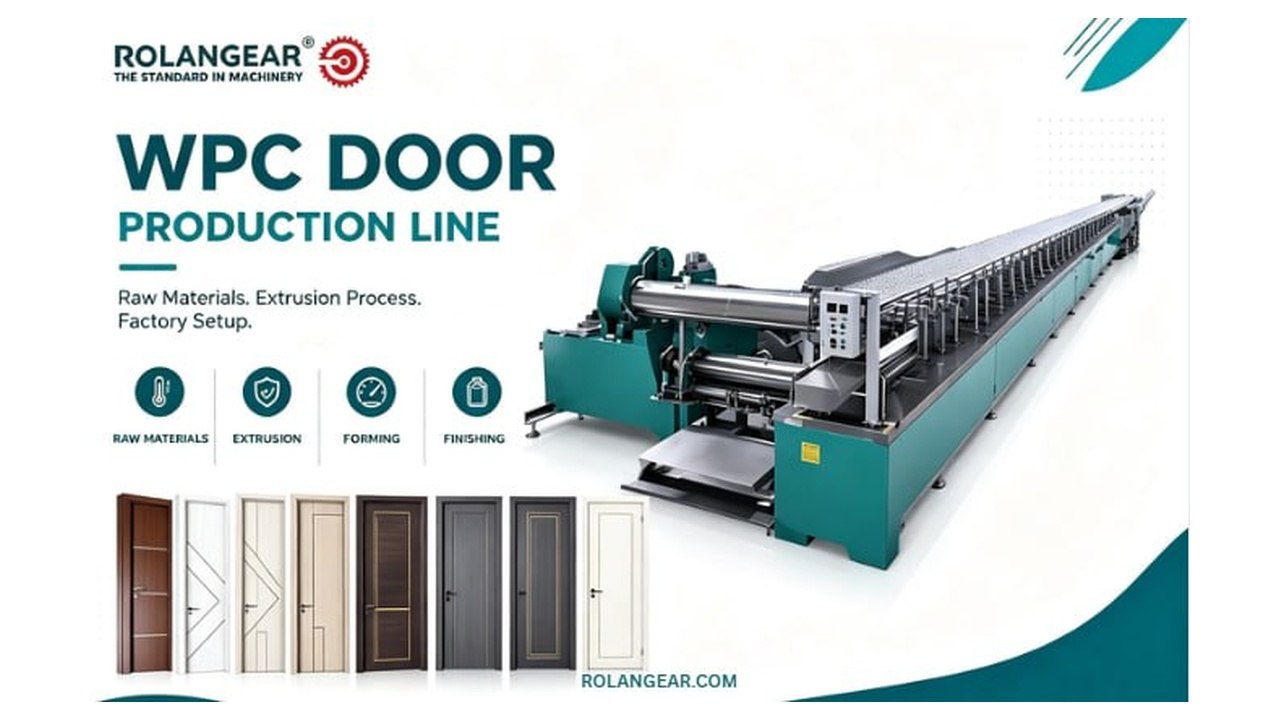

خط إنتاج أبواب WPC هو نظام تصنيع كامل يستخدم لإنتاج الأبواب الخشبية البلاستيكية المركبة من مسحوق الخشب والمواد البلاستيكية والمواد المضافة الوظيفية. يشتمل الخط الاحترافي عادةً على إعداد المواد الخام، والخلط، والتشكيل بالبثق، والمعايرة، والتبريد، والقطع، ومعالجة الأسطح، والتجميع والفحص النهائي. بالنسبة لمصنعي مواد البناء وموردي الأبواب والمستثمرين الذين يدخلون سوق الديكور الداخلي، يجب تحديد خط الإنتاج وفقًا لنوع الباب المستهدف وهيكل المنتج وصيغة المواد وتشطيب السطح وخطة السعة وتخطيط المصنع.
تحظى أبواب WPC بشعبية لأنها تجمع بين مظهر الخشب والأداء العملي للمواد المركبة. بالمقارنة مع العديد من الأبواب الخشبية التقليدية، يمكن أن توفر أبواب WPC مقاومة أفضل للرطوبة، ومقاومة النمل الأبيض، واستقرار الأبعاد ومتطلبات صيانة أقل. هذه المزايا تجعلها مناسبة للمباني السكنية والفنادق والمكاتب والشقق ومشاريع التجديد والمناطق التي قد تؤثر فيها الرطوبة على الخشب الطبيعي.
ومع ذلك، يتطلب مصنع أبواب WPC الناجح أكثر من مجرد شراء آلة بثق واحدة. جودة المواد الخام، توحيد الخلط، استقرار البثق، التحكم في التبريد، دقة القطع، تشطيب السطح وسير عمل التجميع كلها تؤثر على جودة الباب النهائي. إذا لم تتم مطابقة هذه الأقسام بشكل صحيح، فقد يواجه المصنع تشوهًا أو أبعادًا غير مستقرة أو أسطحًا خشنة أو انخفاض كفاءة الإنتاج أو هدرًا مفرطًا للمواد.
ما هو خط إنتاج باب WPC؟
خط إنتاج أبواب WPC هو نظام متكامل يحول المواد المركبة من الخشب والبلاستيك إلى ألواح أبواب، إطارات أبواب، مقاطع زخرفية أو منتجات أبواب نهائية كاملة. على عكس تصنيع الأبواب التقليدية، التي تعتمد بشكل كبير على قطع ومعالجة الخشب الطبيعي، يستخدم تصنيع أبواب WPC تكنولوجيا البثق لتشكيل مقاطع أو ألواح ثابتة من مواد مركبة مُجهزة.

العملية الأساسية سهلة الفهم: يتم تحضير المواد الخام وخلطها في صيغة متسقة، ويتم تغذية المركب في نظام البثق، ويتم تشكيل المادة من خلال قالب، ثم يتم تبريدها ومعايرتها وتقطيعها إلى الطول المطلوب. بعد البثق، قد يخضع المنتج للمعالجة السطحية مثل النقش أو التصفيح أو الطلاء أو التشطيب الزخرفي. بالنسبة للمصانع التي تنتج أبوابًا كاملة، قد تشمل المرحلة النهائية تجميع الألواح، وتوصيل الإطار، وتركيب الأجهزة، وفحص المنتج النهائي.
يمكن تكوين خط إنتاج أبواب WPC الكامل لمستويات الأعمال المختلفة. قد يركز المصنع الناشئ على الأبواب الداخلية القياسية والتشطيب الأساسي للأسطح. قد تضيف الشركة المصنعة المتوسطة قدرة أقوى على تزيين السطح وأحجام المنتج المتعددة. قد يتطلب المصنع الصناعي الأكبر أتمتة أعلى، ووحدات بثق متعددة، ومعدات تشطيب متقدمة، وتجميع أبواب نهائية منظمة.
يجب أن يعتمد التكوين النهائي دائمًا على متطلبات المنتج الحقيقية. قد تتطلب الأبواب الداخلية القياسية وأبواب الحمامات المقاومة للماء والألواح الزخرفية وإطارات الأبواب والمقاطع المخصصة صيغ مواد مختلفة وقوالب البثق وإعدادات التبريد وطرق معالجة السطح.
لماذا الاستثمار في تصنيع أبواب WPC؟
تستمر أسواق مواد البناء والديكور الداخلي في البحث عن المنتجات التي تجمع بين المتانة والمظهر الجذاب والتكلفة المعقولة. تلبي أبواب WPC هذا الطلب لأنها توفر إمكانيات تصميم شبيهة بالخشب مع تحسين مقاومة الرطوبة والنمل الأبيض والتآكل اليومي.

الطلب المتزايد على مواد البناء المعمرة
لا تزال الأبواب الخشبية التقليدية شائعة، ولكنها قد تواجه مشاكل في البيئات الرطبة، بما في ذلك التورم والتشوه والتشقق وتلف النمل الأبيض. توفر أبواب WPC حلاً بديلاً من خلال الجمع بين مكونات الألياف الخشبية والبلاستيكية. يساعد هذا الهيكل المركب على تحسين الأداء المقاوم للماء واستقرار الأبعاد والمتانة على المدى الطويل.
بالنسبة للمصنعين، يخلق اتجاه السوق هذا فرصًا في المباني السكنية والمشاريع التجارية والفنادق والمكاتب والمرافق العامة وأسواق التجديد. يمكن أيضًا إنتاج أبواب WPC بألوان وأنسجة وأنماط مختلفة، مما يسمح للمصانع بخدمة مجموعات عملاء متعددة بدلاً من الاعتماد على فئة منتج واحدة.
فرص تطبيق واسعة
يمكن استخدام أبواب WPC لغرف النوم والحمامات والمطابخ والأقسام الداخلية وغرف الفنادق والديكورات الداخلية للمكاتب ومشاريع الديكور. ونظرًا لأنه يمكن تخصيصها بتشطيبات سطحية مختلفة، يمكن للمصنعين تزويد أسواق البناء الأساسية وعملاء الديكور الداخلي ذوي القيمة الأعلى.
كما يسمح خط إنتاج أبواب WPC المرن للمصنعين بالتوسع في المنتجات ذات الصلة مثل إطارات الأبواب وألواح الجدران والمقاطع الزخرفية ومواد بناء WPC الأخرى. يؤدي هذا إلى تحسين استخدام المعدات وخلق المزيد من فرص العمل مع نمو المصنع.
قيمة الأعمال طويلة الأجل
بالنسبة للمستثمرين، يمكن أن يكون تصنيع أبواب WPC جذابًا لأن المنتج يخدم الطلب المستمر على البناء والتجديد. يمكن لخط الإنتاج المخطط جيدًا أن يساعد في تحسين اتساق المنتج وتقليل المعالجة اليدوية ودعم الطلبات المخصصة وبناء أعمال مواد بناء أكثر تنافسية.
المواد الخام لإنتاج أبواب WPC

يعد اختيار المواد الخام أحد أهم العوامل في جودة أبواب WPC. تشتمل صيغة باب WPC النموذجية على مسحوق الخشب أو الألياف النباتية والمواد البلاستيكية والمواد المضافة الوظيفية. يجب تأكيد الصيغة الدقيقة وفقًا لتطبيق المنتج وتكنولوجيا الإنتاج ومتطلبات العملاء.
مسحوق الخشب أو الألياف النباتية
يوفر مسحوق الخشب نسيجًا طبيعيًا ويدعم الهيكل المركب لمواد WPC. تؤثر جودتها على مظهر السطح والأداء الميكانيكي واستقرار المعالجة. قد تشمل المصادر الشائعة نفايات معالجة الأخشاب، أو نشارة الخشب، أو مواد ألياف نباتية مختارة، اعتمادًا على التوافر المحلي ومتطلبات المنتج.
يجب التحكم بعناية في محتوى الرطوبة وحجم الجسيمات ونظافة مسحوق الخشب. إذا كان مسحوق الخشب غير متناسق، فقد تصبح عملية البثق غير مستقرة وقد يظهر الباب النهائي عيوبًا في السطح أو اختلافًا في الأبعاد.
المواد البلاستيكية
توفر المكونات البلاستيكية أداءً مقاومًا للماء ومتانة وخصائص معالجة. قد تشمل الخيارات الشائعة PVC أو PE أو PP اعتمادًا على تصميم المنتج وتكنولوجيا الإنتاج. بالنسبة لتصنيع أبواب WPC، يجب اختيار المواد البلاستيكية لتحقيق التوازن بين القوة واستقرار المعالجة وجودة السطح والتكلفة.
تتصرف المواد البلاستيكية المختلفة بشكل مختلف أثناء عملية البثق، لذلك لا ينبغي للمشترين أن يفترضوا أن خط إنتاج واحد يمكنه معالجة كل تركيبة دون تعديل. وينبغي مناقشة خطة المواد النهائية مع مورد المعدات واختبارها عند الضرورة.
إضافات وظيفية
تساعد الإضافات على تحسين أداء البثق واستقرار المنتج النهائي. قد تشتمل الإضافات النموذجية على المثبتات ومواد التشحيم والمواد المضافة للألوان وعوامل الرغوة ومساعدات المعالجة. تدعم هذه المواد قذفًا أكثر سلاسة ومظهرًا أفضل للسطح واللون المطلوب وثبات المنتج والكثافة الخاضعة للتحكم.
الصيغة المستقرة ضرورية للإنتاج الصناعي. حتى عندما يتم اختيار المعدات الرئيسية بشكل جيد، فإن إعداد المواد السيئ يمكن أن يسبب مخرجات غير مستقرة، أو هيكل باب ضعيف أو جودة سطح غير متناسقة.
استكمال عملية تصنيع باب WPC
يمكن عرض عملية تصنيع باب WPC النموذجية على النحو التالي:
يجب أن تدعم كل مرحلة المرحلة التالية. يعتمد البثق المستقر على الخلط المتسق. يعتمد القطع الدقيق على التبريد والأبعاد المستقرة. يعتمد التشطيب الجيد للأسطح على مقاطع أو ألواح نظيفة وموحدة.
1. تحضير المواد الخام
تبدأ العملية بمسحوق الخشب والمواد البلاستيكية والمواد المضافة. يجب فحص المواد للتأكد من الرطوبة والنظافة والاتساق قبل الإنتاج. قد يحتاج مسحوق الخشب إلى التجفيف أو الغربلة حسب حالته. يجب تخزين المواد البلاستيكية والمواد المضافة بشكل صحيح لتجنب التلوث والتغذية غير المتسقة.
2. الخلط وتحضير الصيغة
يجمع نظام الخلط بين مسحوق الخشب والمواد البلاستيكية والمواد المضافة في مركب موحد. والغرض من ذلك هو إنشاء توزيع ثابت للمواد وأداء معالجة مستقر. إذا كانت عملية الخلط غير متساوية، فقد تنتج مرحلة البثق لونًا غير مستقر أو بنية ضعيفة أو أسطحًا غير منتظمة.
3. تشكيل البثق
البثق هو المرحلة الأساسية لإنتاج أبواب WPC. تدخل المادة المحضرة إلى الطارد، ويتم تسخينها وتلطيفها، ثم يتم تشكيلها من خلال قالب إلى لوحة باب متصلة، أو شكل إطار أو شكل زخرفي. يؤثر نظام البثق على هيكل المنتج وجودة السطح واستقرار المخرجات واستخدام المواد.
أثناء البثق، يعد التحكم في درجة الحرارة، وتصميم اللولب، وجودة القالب، واستقرار التغذية أمرًا مهمًا. إذا لم يتم التحكم في ظروف المعالجة بشكل جيد، فقد تظهر المنتجات سطحًا سيئًا أو ضعفًا داخليًا أو أبعادًا غير مستقرة أو تشوهًا.
4. المعايرة والتبريد
بعد مغادرة القالب، يجب معايرة ملف تعريف أو لوحة WPC وتبريدها للحفاظ على الشكل والأبعاد. يساعد هذا القسم على منع التشوه والأسطح غير المستوية وتغييرات الأبعاد. يعد تصميم التبريد المناسب أمرًا مهمًا لأن المادة لا تزال تتأثر بدرجة الحرارة بعد البثق.
5. القطع والتحجيم
عندما يصبح المنتج مستقرا، يتم قطعه حسب المواصفات المطلوبة. يؤثر القطع الدقيق على طول الباب ودقة التجميع ورضا العملاء. يمكن لمعدات القطع الأوتوماتيكية تحسين الاتساق وتقليل التشغيل اليدوي ودعم الإنتاج المرن لأحجام الأبواب المختلفة.
6. المعالجة السطحية والتشطيب
يعد المظهر السطحي نقطة بيع رئيسية في سوق أبواب WPC. قد تشمل المعالجة السطحية النقش أو التصفيح أو الطلاء أو تطبيق الأفلام الزخرفية أو تشطيب حبيبات الخشب. تعمل هذه العمليات على تحسين مظهر المنتج والقيمة السوقية واختيار العملاء. يجب على المصانع التي تستهدف الأسواق المتميزة أن تولي اهتمامًا خاصًا لقدرة المعالجة السطحية.
7. تجميع الباب والتفتيش النهائي
بعد البثق والتشطيب، يمكن تجميع المكونات في الأبواب النهائية. قد يشمل التجميع توصيل اللوحة وإعداد الإطار وتركيب الأجهزة وفحص المنتج النهائي. يجب فحص الأبواب الجاهزة للتأكد من أبعادها ومظهر السطح والهيكل واتساق الألوان وحالة التغليف قبل التخزين أو التسليم.
الآلات الرئيسية في خط إنتاج أبواب WPC

| المعدات | وظيفة | نقاط الاختيار الرئيسية |
|---|---|---|
| نظام تخزين وتغذية المواد الخام | تخزين ونقل مسحوق الخشب والبلاستيك والمواد المضافة | طريقة التعامل مع المواد، التحكم في الغبار، استقرار التغذية |
| خلاط | يجمع المواد الخام في مركب موحد | قدرة الخلط، اتساق الصيغة، طريقة التفريغ |
| WPC الطارد | يشكل مادة WPC في ألواح الأبواب أو الملامح | تصميم المسمار، توافق المواد، استقرار الإخراج، نظام التحكم |
| يموت النتوء | يحدد شكل المنتج وهيكله | تصميم الباب، حجم الملف الشخصي، دقة القالب، متطلبات التغيير |
| نظام المعايرة والتبريد | يثبت شكل المنتج بعد البثق | طول التبريد، دقة المعايرة، نظام المياه، التحكم في التشوه |
| آلة القطع | يقطع الملامح أو الألواح إلى الحجم المطلوب | دقة القطع، مستوى الأتمتة، نطاق حجم المنتج |
| معدات المعالجة السطحية | يحسن مظهر المنتج وقيمته | احتياجات النقش أو التصفيح أو الطلاء أو التشطيب الزخرفي |
| معدات التجميع | يدعم إنتاج الباب النهائي | هيكل المنتج، وتركيب الأجهزة، ومتطلبات سير العمل |
يمكن تعديل قائمة المعدات وفقًا لمقياس المصنع. تركز بعض المشاريع على مقاطع أو ألواح WPC فقط، بينما يتطلب البعض الآخر إنتاجًا كاملاً للأبواب. يجب على المشترين تأكيد ما إذا كانوا بحاجة إلى خط بثق أساسي، أو خط تجميع كامل للأبواب، أو حل مصنع أكثر اكتمالاً مع تشطيب السطح والتعبئة.
إعداد المصنع وتخطيط التخطيط
يجب أن يخلق تخطيط مصنع أبواب WPC الاحترافي حركة سلسة من تخزين المواد الخام إلى الخلط والبثق والتبريد والقطع ومعالجة الأسطح والتجميع ومستودع المنتج النهائي. يمكن أن يؤدي سوء التخطيط إلى زيادة وقت مناولة المواد وتقليل السلامة وجعل إدارة الإنتاج صعبة.

يجب أن تحمي منطقة المواد الخام مسحوق الخشب والمواد البلاستيكية والمواد المضافة من الرطوبة والتلوث. يجب أن توفر منطقة البثق مساحة كافية لتركيب الماكينة ووصول المشغل والصيانة. يجب وضع التبريد والقطع بعد البثق في تدفق الإنتاج المباشر. يجب ترتيب المعالجة السطحية والتجميع بشكل منطقي لتقليل المعالجة المتكررة.
تخطيط المرافق مهم أيضا. قد يحتاج مصنع أبواب WPC إلى كهرباء مستقرة ومياه تبريد وتهوية وإدارة الغبار وهواء مضغوط لبعض المعدات وإضاءة مناسبة. تعتمد متطلبات الأداة الدقيقة على تكوين المعدات ويجب تأكيدها قبل التثبيت.
ينبغي النظر في التوسع المستقبلي من البداية. قد يضيف المصنع المتنامي لاحقًا خط بثق آخر أو معدات تشطيب إضافية أو مساحة تخزين أكبر أو معالجة آلية. يساعد التصميم المرن على تقليل تكلفة التعديل في المستقبل.
عوامل تكلفة خط إنتاج باب WPC

تعتمد تكلفة خط إنتاج أبواب WPC على عدة عوامل. لا ينبغي للمشترين تقييم الاستثمار إلا بسعر آلة بثق واحدة. قد يشمل المشروع الكامل معدات الخلط، ونظام البثق، والقوالب، ونظام التبريد، وآلة القطع، ومعدات معالجة السطح، وأدوات التجميع، والمرافق، ومساحة التثبيت، والمشغلين، وقطع الغيار، وإعداد المواد الخام.
القدرة الإنتاجية
القدرة هي واحدة من عوامل التكلفة الرئيسية. قد يختار مصنع صغير خطًا منخفض السعة لدخول السوق باستثمارات خاضعة للرقابة. قد يحتاج المصنع المتوسط إلى إنتاج أكثر استقرارًا وخيارات تشطيب أفضل. قد يتطلب المصنع الصناعي الكبير آلات متعددة وأتمتة أعلى وقدرة على التشغيل المستمر.
تكوين المعدات
قد يشمل التكوين الأساسي الخلط والبثق والمعايرة والتبريد والقطع. قد يشمل الخط الأكثر تقدمًا التغذية التلقائية، والقوالب المتعددة، والنقش السطحي، والتصفيح، والطلاء، ومعدات التجميع، ودعم التعبئة. يعتمد التكوين الصحيح على نوع المنتج ومتطلبات السوق وخطة تطوير المصنع.
مستوى الأتمتة
قد تكون الأنظمة شبه الآلية مناسبة للشركات الناشئة أو متطلبات الإنتاج المنخفضة. يمكنها تقليل الاستثمار الأولي ولكنها تتطلب المزيد من التشغيل اليدوي. يمكن للأنظمة الأوتوماتيكية بالكامل تحسين الكفاءة واتساق المنتج، ولكنها تحتاج إلى استثمارات أعلى وتدريب أفضل للمشغلين وتخطيط أكثر دقة للمصنع.
متطلبات المنتج
قد تتطلب الأبواب الداخلية القياسية وأبواب الحمامات المقاومة للماء والأبواب المزخرفة والمنتجات المخصصة قوالب وصيغ ومعدات تشطيب مختلفة. قد يحتاج المصنع الذي يستهدف أسواق الديكور المتميزة إلى قدرة معالجة سطحية أقوى من المصنع الذي ينتج أبواب البناء الأساسية.
كيفية اختيار خط إنتاج أبواب WPC المناسب
يبدأ اختيار خط إنتاج أبواب WPC المناسب بفهم أهداف عملك. يجب على المشترين تحديد العملاء المستهدفين ومجموعة المنتجات وخطة السعة ومساحة المصنع المتاحة ومرحلة الاستثمار قبل مقارنة أسعار الماكينات.

تحديد السوق المستهدف
قد تركز الأسواق السكنية على الأبواب الداخلية وأبواب الحمامات وخيارات الديكور. قد تتطلب المشاريع التجارية جودة مستقرة وإمدادات متكررة وأبعاد متسقة. قد تتطلب أسواق التصدير إدارة أقوى للإنتاج وتخطيط التعبئة والتغليف واتساق المنتج. سيؤثر السوق المستهدف على اختيار المعدات ومتطلبات التشطيب.
تأكيد أنواع المنتجات
يجب على المشترين أن يقرروا ما إذا كان المصنع سينتج ألواح الأبواب، أو إطارات الأبواب، أو المقاطع الزخرفية، أو الأبواب الجاهزة أو عدة فئات من المنتجات. قد يحتاج كل منتج إلى قوالب مختلفة وطرق تبريد ومعالجة نهائية. يساعد التخطيط الواضح للمنتج على تجنب شراء المعدات التي لا يمكنها دعم الطلبات المستقبلية.
مطابقة السعة مع الطلبات الحقيقية
يجب أن تتوافق القدرة مع الطلب الحالي والنمو المستقبلي. يمكن أن يؤدي اختيار خط صغير جدًا إلى الحد من فرص الأعمال، في حين أن اختيار خط كبير الحجم بدون طلبات مستقرة يمكن أن يزيد من ضغط الاستثمار. يجب أن يسمح الحل العملي بالتوسع المعقول عندما يتطور السوق.
تقييم دعم الموردين
يحتاج مشروع مصنع أبواب WPC إلى أكثر من مجرد تسليم المعدات. يجب على المشترين أن يأخذوا بعين الاعتبار ما إذا كان المورد يمكنه دعم تكوين الخط، وتخطيط المصنع، وإرشادات التثبيت، وتدريب المشغلين، واستكشاف الأخطاء وإصلاحها وقطع الغيار. يعد الدعم الاحترافي مهمًا بشكل خاص للمصانع الجديدة التي تتعلم صيغ المواد والتحكم في البثق.
مراقبة الجودة والصيانة وقطع الغيار

يجب أن تغطي مراقبة الجودة عملية الإنتاج الكاملة. يجب فحص المواد الخام للتأكد من الرطوبة وحجم الجسيمات والنظافة واتساق الصيغة. أثناء عملية البثق، يجب على المشغلين مراقبة درجة الحرارة والضغط واستقرار التغذية وجودة السطح وأبعاد المنتج. بعد التبريد والقطع، يجب فحص المنتجات بحثًا عن التشوه، ودقة الطول، وتناسق اللون، وعيوب السطح.
تعتبر جودة المعالجة السطحية مهمة أيضًا لأن مظهر الباب يؤثر بشكل مباشر على قبول العميل. يجب فحص التصفيح أو النقش أو الطلاء أو التشطيب الزخرفي بحثًا عن الالتصاق والملمس واللون والعيوب المرئية. يجب فحص الأبواب النهائية للتأكد من دقة التجميع وتركيب الأجهزة وحالة التغليف وحماية التخزين.
تساعد الصيانة الوقائية على تقليل فترات التوقف غير المتوقعة. يجب على المشغلين فحص الخلاطات وأنظمة التغذية ومسمار الطارد والبراميل والقوالب ومعدات التبريد وأدوات القطع والناقلات والأجزاء الكهربائية وآلات معالجة الأسطح. تتطلب القوالب وأدوات القطع تنظيفًا وتخزينًا دقيقًا. يجب أن يتضمن تخطيط قطع الغيار الأجزاء القابلة للتآكل الشائعة وفقًا لتكوين الخط الفعلي.
لماذا تختار رولانجير؟
توفر Rolangear حلول خطوط إنتاج أبواب WPC مخصصة للمصنعين الذين يخططون لمصانع جديدة أو ترقية إنتاج مواد البناء الحالي. بدلاً من التوصية بآلة قياسية واحدة لكل عميل، تساعد Rolangear في تقييم المواد الخام وتصميم الأبواب والقدرة المستهدفة واحتياجات معالجة الأسطح وتصميم المصنع ومستوى الأتمتة.
يمكن أن يشمل مشروع Rolangear تكوين المعدات، وتصميم خط البثق، ودعم اختيار القوالب والقوالب، وتخطيط تخطيط المصنع، وتوجيه التثبيت، والمساعدة في التشغيل، وتدريب المشغلين، وخدمة ما بعد البيع. وهذا يساعد المشترين على بناء نظام إنتاج أكثر عملية وتجنب المعدات غير المتطابقة.
الأسئلة المتداولة
ما هو خط إنتاج باب WPC؟
خط إنتاج أبواب WPC هو نظام تصنيع كامل يقوم بتحويل المواد المركبة من الخشب والبلاستيك إلى ألواح أبواب أو مقاطع جانبية أو أبواب جاهزة من خلال الخلط والبثق والتبريد والقطع ومعالجة السطح والتجميع.
ما هي المواد الخام المستخدمة لأبواب WPC؟
تشمل المواد الخام الشائعة مسحوق الخشب أو الألياف النباتية، والمواد البلاستيكية مثل PVC أو PE أو PP، والمواد المضافة الوظيفية مثل المثبتات ومواد التشحيم والمواد المضافة الملونة وعوامل الرغوة.
كيف يعمل بثق باب WPC؟
يتم تغذية مادة WPC المحضرة في جهاز بثق، ويتم تسخينها وتلطيفها، ثم يتم تشكيلها من خلال قالب إلى مقاطع أو ألواح مستمرة. يتم بعد ذلك تبريد المنتجات ومعايرتها وتقطيعها ومعالجتها إلى مكونات الأبواب النهائية.
ما هي تكلفة خط إنتاج باب WPC؟
تعتمد التكلفة على القدرة الإنتاجية، وتكوين المعدات، ومستوى الأتمتة، ونوع المنتج، ومتطلبات المعالجة السطحية، وتصميم المصنع وظروف المرافق. هناك حاجة إلى تقييم مخصص للحصول على عرض أسعار دقيق.
ما هي مساحة المصنع المطلوبة لتصنيع أبواب WPC؟
تعتمد مساحة المصنع على عدد خطوط البثق وتخزين المواد الخام ومعدات التشطيب ومنطقة التجميع ومستودع المنتجات النهائية وخطة التوسع المستقبلية. يجب تأكيد التصميم الاحترافي قبل تركيب المعدات.
هل يمكن لشركة Rolangear توفير حل كامل لمصنع أبواب WPC؟
نعم. يمكن أن تساعد Rolangear في تخطيط اختيار المعدات، وتكوين بثق WPC، وتخطيط المصنع، ودعم التثبيت والمساعدة الفنية لمشاريع تصنيع أبواب WPC الكاملة.
الاستنتاج
توفر صناعة أبواب WPC فرصًا قوية لأن أسواق البناء والديكور الداخلي تستمر في الطلب على مواد بناء متينة ومقاومة للرطوبة وجذابة. ومع ذلك، يتطلب مصنع أبواب WPC الناجح أكثر من آلة بثق واحدة. يجب أن يعمل اختيار المواد الخام، وإعداد الصيغة، واستقرار البثق، ودقة التبريد، والقطع، ومعالجة الأسطح، والتجميع ومراقبة الجودة معًا كنظام كامل.
أفضل خط إنتاج لأبواب WPC هو الذي يتوافق مع السوق المستهدف للشركة المصنعة وتصميم المنتج وخطة السعة واستراتيجية التوسع المستقبلية. يمكن للتكوين المتوازن أن يحسن استقرار الإنتاج، ويقلل الفاقد، ويدعم التخصيص، ويخلق قيمة تجارية طويلة المدى.
إذا كنت تخطط لمشروع تصنيع أبواب WPC جديد، فاتصل بـ Rolangear وأخبرها بمتطلبات المنتج الخاص بك والقدرة المستهدفة وخطة المواد الخام وظروف المصنع. يمكن أن تساعدك Rolangear في تصميم خط إنتاج أبواب WPC عملي من أجل الإنتاج الفعال ونمو الأعمال المستدام.
تواصل مع رولانجير