المقدمة: بناء شركة حديثة لتجهيز التمور
تعتبر التمور من أهم المنتجات الزراعية في منطقة الشرق الأوسط وشمال أفريقيا والعديد من المناطق الاستوائية. مع تزايد الطلب العالمي على الوجبات الخفيفة الصحية والمحليات الطبيعية والأطعمة التقليدية، تطورت التمور من محصول موسمي إلى فئة غذائية تجارية ذات قيمة.

مواعيد الحصاد ليست سوى الخطوة الأولى. قبل الوصول إلى محلات السوبر ماركت وتجار الجملة وأسواق التصدير، تتطلب التمور عادة معالجة احترافية لتحسين المظهر وسلامة الأغذية والاتساق ومدة الصلاحية.
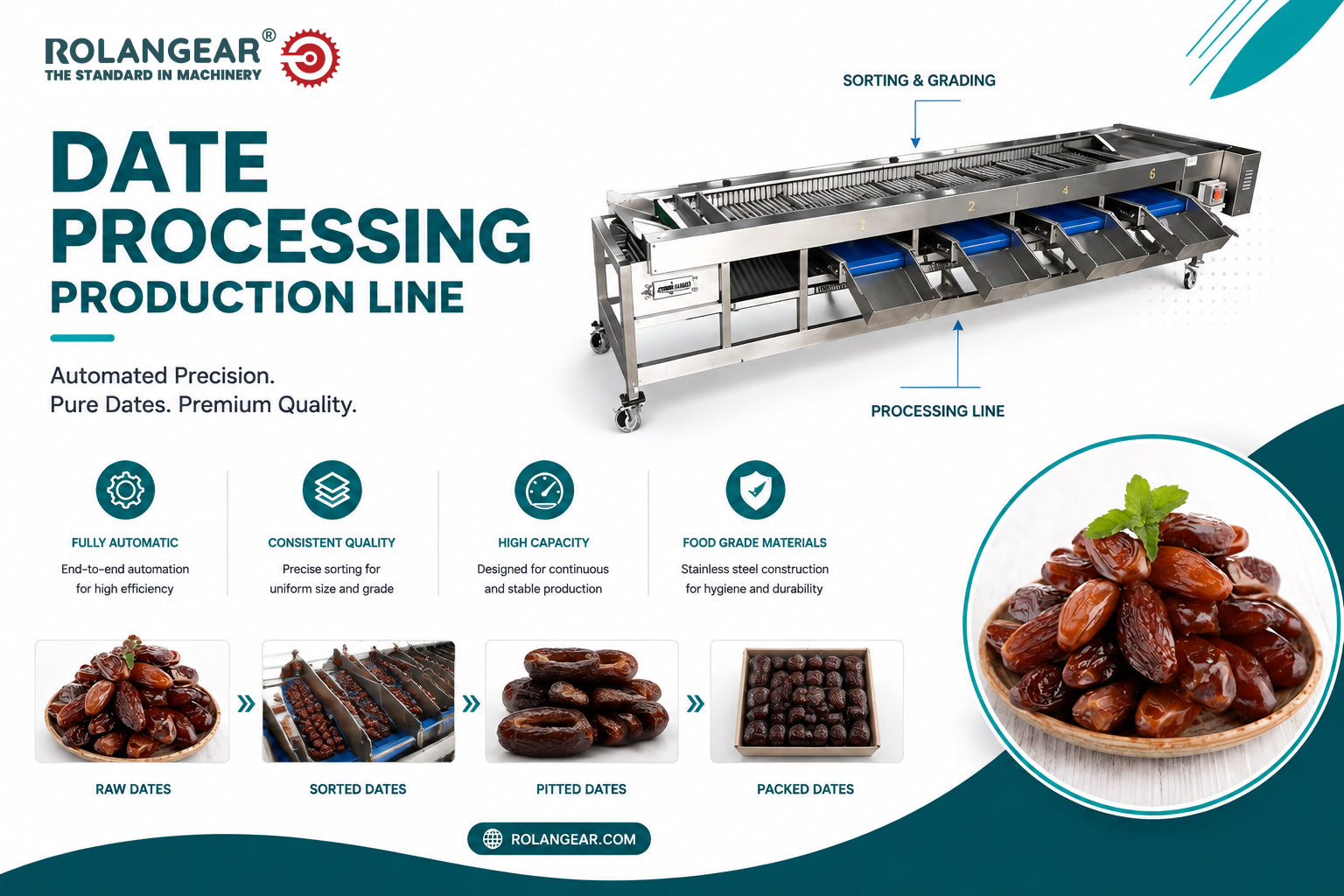
يقوم مصنع حديث لمعالجة وتعبئة التمور بتحويل التمور المحصودة إلى منتجات جاهزة للسوق من خلال التنظيف والتجفيف والفرز والتصنيف والتنقر الاختياري والتعبئة والتغليف.
بالنسبة للشركات التي تدخل هذه الصناعة، فإن التحدي الرئيسي لا يتمثل في مجرد شراء آلات فردية. يتطلب مشروع معالجة التاريخ الناجح تخطيطًا دقيقًا لما يلي:
- أنواع المنتجات
- القدرة الإنتاجية
- معدات المعالجة
- تخطيط المصنع
- متطلبات التعبئة والتغليف
- إمكانيات التوسع المستقبلية
بالمقارنة مع المعالجة اليدوية، توفر معالجة التمور الصناعية تحكمًا أفضل في جودة المنتج والنظافة وكفاءة الإنتاج. وهذا مهم بشكل خاص لأسواق التصدير، حيث يحتاج المشترون إلى جودة مستقرة وتغليف جذاب وقدرة توريد موثوقة.
وبالتالي فإن اختيار معدات خط معالجة التمور المناسبة يعد قرارًا استثماريًا رئيسيًا. يؤثر التكوين بشكل مباشر على القدرة وكفاءة التشغيل وجودة المنتج وأداء الأعمال على المدى الطويل.
يشرح هذا الدليل كيفية بدء مصنع معالجة وتعبئة التمور، بما في ذلك سير العملية الكاملة والمعدات الرئيسية ونقاط تخطيط المصنع وعوامل الاستثمار وكيفية اختيار حل الإنتاج المناسب.
تساعد Rolangear العملاء على تصميم مشاريع معالجة التمور المخصصة وفقًا لمتطلبات المنتج وأهداف الإنتاج وظروف المصنع.
1. لماذا نبدأ مصنع معالجة وتعبئة التمور؟

1.1 الطلب المتزايد في السوق على التمور المصنعة
تم استهلاك التمور منذ آلاف السنين، خاصة في أسواق الشرق الأوسط وشمال أفريقيا. واليوم، توسعت شعبيتها في جميع أنحاء العالم حيث يبحث المستهلكون عن الأطعمة الطبيعية والمغذية والمعالجة بالحد الأدنى.
يتم بيع منتجات التمور الحديثة عبر قنوات متعددة منها:
- محلات السوبر ماركت
- تجار المواد الغذائية عبر الإنترنت
- موزعين التصدير
- الفنادق والمطاعم
- موردي المكونات الغذائية
غالبًا ما يكون للأسواق الدولية متطلبات أعلى من المبيعات المحلية التقليدية. يتوقع العملاء:
- حجم ومظهر ثابت
- ظروف المعالجة النظيفة
- تغليف موثوق
- قدرة تخزين أطول
- إمدادات مستقرة على مدار العام
وهذا يخلق فرصًا قوية للشركات التي يمكنها إنشاء مرافق احترافية لمعالجة التمور.
بدلاً من بيع المنتجات الزراعية الخام مباشرة، يمكن للمصنعين زيادة القيمة من خلال:
- تصنيف الجودة
- تغليف ممتاز
- إزالة البذور
- تخصيص المنتج
يسمح مصنع المعالجة المصمم جيدًا للشركات بخدمة قطاعات السوق المختلفة بدرجات المنتجات وأشكال التعبئة والتغليف المناسبة.
1.2 حدود الطرق التقليدية لمعالجة التاريخ
في العديد من المناطق، لا تزال تتم معالجة التمور يدويًا بعد الحصاد، حيث يتولى العمال التنظيف والاختيار والتعبئة يدويًا.
يمكن أن تنجح المعالجة اليدوية في العمليات المحلية الصغيرة، ولكن يصبح من الصعب الحفاظ على الكفاءة مع زيادة حجم الإنتاج.
تشمل التحديات الشائعة ما يلي:
- جودة المنتج غير متناسقة
يعتمد الفرز اليدوي بشكل كبير على خبرة العامل. يمكن أن تؤدي الاختلافات في الحكم إلى تصنيف غير متسق للمنتجات.
بالنسبة للعملاء التجاريين، قد تؤثر الجودة غير المتسقة على:
- رضا العملاء
- سمعة العلامة التجارية
- قبول التصدير
- متطلبات العمالة العالية
تتطلب الكميات الكبيرة من التمور عملاً يدويًا كبيرًا من أجل:
- التنظيف
- التفتيش
- الفرز
- التعبئة
مع نمو الإنتاج، تصبح إدارة العمل أحد الاعتبارات التشغيلية الرئيسية.
- قدرة معالجة محدودة
لا يمكن للعمليات اليدوية أن تدعم بسهولة جداول الإنتاج واسعة النطاق، خاصة خلال مواسم الحصاد عندما تحتاج كميات كبيرة من التمور إلى المعالجة خلال فترة محدودة.
- مراقبة الجودة الصعبة
تتطلب أسواق التصدير رقابة أفضل على:
- إزالة المواد الأجنبية
- مظهر المنتج
- نظافة التغليف
تعمل المعدات الصناعية على توحيد هذه العمليات ودعم إدارة الإنتاج بشكل أكثر موثوقية.
1.3 مزايا إنشاء مصنع لتجهيز التمور الصناعية
يساعد مصنع معالجة التمور الاحترافي الشركات على الانتقال من التجارة الزراعية البسيطة إلى تصنيع الأغذية ذات القيمة الأعلى.
المزايا الرئيسية تشمل:
- تحسين قيمة المنتج
فبدلاً من بيع التمور الخام فقط، يمكن للمصانع إنتاج منتجات تجارية متعددة.
أمثلة:
- تمر كامل ممتاز
- مواعيد متدرجة
- مواعيد محفورة
- مواعيد البيع بالتجزئة المعبأة
- مكونات التمر لمصنعي المواد الغذائية
- قدرة أفضل على التكيف مع السوق
يحتاج العملاء المختلفون إلى منتجات مختلفة.
على سبيل المثال:
قد يحتاج عملاء التجزئة إلى:
- تغليف استهلاكي جذاب
- مظهر متناسق
- تنسيقات الوزن المحددة
قد يحتاج المشترون الصناعيون إلى:
- التعبئة والتغليف السائبة
- المكونات المعالجة
- قدرة العرض مستقرة
يسمح خط المعالجة المرن للمصنعين بخدمة الأسواق المختلفة.
- إدارة إنتاج أكثر استقرارًا
تساعد المعدات الصناعية الشركات على تنظيم الإنتاج من خلال عمليات واضحة وعمليات خاضعة للرقابة.
- وهذا يسمح للمصانع بإدارة أفضل:
- الإخراج اليومي
- جودة المنتج
- تخصيص العمالة
- تخطيط الإنتاج
لتحقيق النمو على المدى الطويل، تخلق معدات خط معالجة التمور المناسبة أساسًا لتوسيع القدرة والوصول إلى السوق.
2. فهم مصنع معالجة وتعبئة التمور
يقوم مصنع معالجة وتعبئة التمور باستقبال التمور المحصودة وتحويلها إلى منتجات محضرة تجارياً من خلال خطوات معالجة محكمة.

المصنع لا يقوم فقط بتغليف التمور. اعتمادًا على نموذج العمل، قد يتضمن مستويات معالجة متعددة.
يعتمد التكوين النهائي على السوق المستهدف ومتطلبات المنتج.
2.1 مصنع تعبئة التمور الأساسي
تركز العملية الأساسية بشكل أساسي على إعداد التمور للبيع.
- عملية نموذجية:
- استلام التمر الخام
- التنظيف
- فحص الجودة
- الدرجات
- التعبئة والتغليف
- هذا النوع من المصانع مناسب للشركات التي تبيع:
- مواعيد كاملة
- تمر معبأ طازج
- كرتونة التصدير
- عادة ما يكون التركيز الرئيسي للاستثمار هو:
- معدات التنظيف
- معدات الفرز
- معدات التعبئة والتغليف
2.2 مصنع معالجة التمور المتقدم
يضيف المصنع الأكثر اكتمالًا إمكانات معالجة إضافية.
- تشمل المنتجات المحتملة ما يلي:
التواريخ المحفورة
- تتم إزالة البذور مع الحفاظ على شكل الثمرة.
التطبيقات:
- منتجات التجزئة
- منتجات الوجبات الخفيفة
- توريد المكونات
لصق التاريخ
- تتم معالجة التمر وتحويله إلى عجينة ناعمة تستخدم في:
- منتجات المخابز
- قضبان الطاقة
- منتجات الحلويات
منتجات التاريخ المخصصة
- قد تنتج المصانع أيضًا:
- تمر محشي
- تغليف هدايا مميز
- منتجات التصدير الخاصة
تتطلب هذه المنتجات معدات إضافية وتصميم إنتاج أكثر تخصيصًا.
2.3 الاعتبارات الرئيسية قبل بناء مصنع التمور
قبل اختيار المعدات، يجب على المستثمرين تحديد عدة عوامل مهمة.
نوع المنتج
تختلف المعدات اللازمة للتمور المعبأة بالكامل عن المصنع الذي ينتج عجينة التمر أو التمور منزوعة النواة.
أسئلة يجب مراعاتها:
- هل سيبيع المصنع التمور كاملة؟
- هل تتم إزالة البذور؟
- هل الدرجات المختلفة مطلوبة؟
- هل تم التخطيط للمنتجات ذات القيمة المضافة؟
القدرة الإنتاجية
- يحدد الناتج المتوقع:
- حجم الآلة
- مستوى الأتمتة
- منطقة المصنع
- مقياس الاستثمار
السوق المستهدف
- السوق يؤثر:
- أسلوب التعبئة والتغليف
- متطلبات الجودة
- معايير المعالجة
على سبيل المثال:
تتطلب أسواق التصدير عادة رقابة أكثر صرامة على الجودة مقارنة بالتوزيع المحلي.
يبدأ مشروع معالجة التمور الناجح بفهم المنتج النهائي والسوق المستهدف قبل اختيار معدات خط معالجة التمور.
3. سير عمل معالجة التاريخ ونقاط مراقبة الجودة
التأكد من تنوع التمور ورطوبتها ومظهرها والمواد الغريبة قبل بدء الإنتاج.
تنظيم المنتجات حسب الحالة الصحية والحجم واللون والدرجة وقناة المبيعات النهائية.
قم بإعداد التغليف المناسب ومراقبة الدفعات والتخزين والخدمات اللوجستية لتوريد التجزئة أو التصدير.
يشرح هذا القسم سير عمل الإنتاج من وجهة نظر التشغيل ومراقبة الجودة. ويوضح ما يجب أن يحدث في كل مرحلة قبل اختيار الأجهزة المحددة في القسم التالي.
يجب تخطيط العملية وفقًا للمنتج النهائي. قد تتبع التمور الكاملة الممتازة، والتمور منزوعة النواة، ومعجون التمر، ومنتجات الوجبات الخفيفة، وعلب التصدير نفس التدفق العام، ولكن لكل منتج أولويات مختلفة لمراقبة الجودة.

3.1 فحص جودة المواد الخام
تتمثل مرحلة سير العمل الأولى في التحقق من التواريخ الواردة قبل دخولها إلى منطقة الإنتاج الرئيسية. يساعد التحكم الجيد في المواد الخام على تقليل النفايات، وحماية المعدات، والحفاظ على جودة المنتج النهائي المستقرة.
- تنوع التاريخ ومصدر الدفعة
- الحجم واللون والمظهر
- مستوى الرطوبة والنضج
- الفواكه التالفة أو المواد الغريبة
- الصف الأولي واتجاه المعالجة
في هذه المرحلة، يجب على المصنع أن يقرر أي التمور مناسبة لتعبئة التجزئة الممتازة، أو العبوات القياسية، أو المنتجات منزوعة البذور، أو معالجة المعجون، أو استخدام المكونات الصناعية.
3.2 معيار التنظيف والتحكم في النظافة
التنظيف ليس مجرد خطوة آلية. إنه قرار يتعلق بمراقبة النظافة بناءً على حالة التاريخ والسوق المستهدف ومتطلبات التعبئة والتغليف.
- قد تحتاج المنتجات الجافة إلى إزالة الغبار والجسيمات بلطف.
- قد تتطلب مشاريع النظافة العالية الغسيل المتحكم فيه.
- يجب أن تحمي طريقة التنظيف الملمس والمظهر الطبيعي.
- يجب التخطيط معًا لاستخدام المياه ووقت التجفيف والصرف الصحي في ورشة العمل.
الهدف هو إزالة الشوائب المرئية مع تجنب الأضرار غير الضرورية لسطح الفاكهة.
3.3 إدارة الرطوبة والملمس
بعد التنظيف، يعد التحكم في الرطوبة أمرًا مهمًا لجودة التغليف واستقرار التخزين. يمكن أن تؤثر رطوبة السطح الزائدة على المظهر ومدة الصلاحية وأداء التغليف.
- الحفاظ على جفاف السطح المناسب قبل التعبئة.
- حماية الحلاوة الطبيعية واللون والنعومة للتمر.
- التحكم في درجة الحرارة بعناية لتجنب الإفراط في الجفاف.
- قم بمطابقة إدارة الرطوبة مع تنسيق التغليف النهائي.
3.4 استراتيجية التصنيف للأسواق المختلفة
التصنيف هو الخطوة التي يخلق فيها المصنع قيمة تجارية. يمكن بيع درجات مختلفة لعملاء مختلفين بدلاً من خلط جميع المنتجات في فئة واحدة.
- تتطلب التمور المميزة للبيع بالتجزئة مظهرًا جذابًا وحجمًا ثابتًا.
- قد تركز الحزم القياسية على الجودة المستقرة والتكلفة المعقولة.
- قد تعطي تواريخ المكونات الصناعية الأولوية لقابلية الاستخدام واستقرار العرض.
- تتطلب منتجات التصدير عادةً رقابة أكثر صرامة على الاتساق والتعبئة.
3.5 قرار المنتج ذو القيمة المضافة
لا يحتاج كل مصنع إلى الحفر أو المعالجة باللصق في البداية. وينبغي اختيار هذه الخطوات وفقا لطلب السوق وخطة الاستثمار.
- التمور الكاملة مناسبة لعلب الكرتون الأساسية للبيع بالتجزئة والجملة والتصدير.
- تدعم التمور منزوعة البذور الوجبات الخفيفة ومكونات المخابز وحزم راحة المستهلك.
- يمكن أن يخدم معجون التمر المخابز وألواح الطاقة والحلويات ومصنعي المواد الغذائية.
- تتطلب التمور المحشوة وحزم الهدايا تخطيطًا أكثر تخصيصًا للإنتاج.
3.6 تخطيط التغليف والتخزين والتوزيع
تربط مرحلة سير العمل النهائية بين عرض المنتج والخدمات اللوجستية. يجب أن تتوافق العبوة مع نوع العميل ودرجة المنتج وقناة المبيعات ومتطلبات التخزين.
- أكياس البيع بالتجزئة أو الصواني أو الحاويات أو العبوات المفرغة أو علب الهدايا أو الكراتين
- التحكم الدقيق في الوزن ووضع العلامات الواضحة
- تتبع الدفعة وتنظيم المخزون
- التحكم في درجة الحرارة والرطوبة عند الاقتضاء
- تخطيط المستودعات بكفاءة للشحن المحلي أو التصدير
من خلال فصل تخطيط سير العمل عن اختيار المعدات، يمكن للمشترين أولاً فهم منطق الإنتاج، ثم اختيار الماكينات المناسبة لكل متطلبات المصنع.
4. معدات خط معالجة التاريخ الرئيسي
بعد أن يصبح سير العمل واضحًا، فإن الخطوة التالية هي اختيار الأجهزة التي تقوم بكل عملية. يركز هذا القسم على وظائف المعدات ونقاط التحديد وكيفية دعم كل جهاز لخط معالجة التاريخ الكامل.

قد يتضمن التكوين الكامل للمعدات أنظمة الاستلام والتغذية، وآلات التنظيف، ومعدات التجفيف، وأنظمة الفرز والتدريج، وآلات الحفر الاختيارية، ومعدات الفحص، وحلول التعبئة والتغليف.
4.1 نظام استلام وتغذية التاريخ
يقوم نظام الاستلام بربط مخزن المواد الخام مع خط الإنتاج.
الوظائف الرئيسية:
- نقل التمور الخام إلى الإنتاج
- توفير تغذية مستقرة
- تقليل التعامل اليدوي
تشمل المعدات النموذجية ما يلي:
- قادوس التغذية
- نظام الناقل
- رفع الناقل
يساعد نظام التغذية المستقر في الحفاظ على الإنتاج المستمر.
4.2 آلة تنظيف التاريخ
تقوم آلة تنظيف التمر بإزالة الغبار والأوراق والشوائب السطحية قبل إجراء المزيد من المعالجة.
تشمل طرق التنظيف الشائعة ما يلي:
نظام التنظيف الجاف
يستخدم الفرش أو الاهتزاز أو تنظيف الهواء لإزالة الجزيئات السائبة.
مناسبة ل:
- التمر المجفف
- المنتجات التي تتطلب التعامل اللطيف
نظام الغسيل
يستخدم تنظيف المياه الخاضعة للرقابة لإزالة الشوائب العميقة.
مناسبة للمصانع التي تتطلب معايير نظافة أعلى.
تعتمد طريقة التنظيف على:
- تاريخ متنوعة
- متطلبات المنتج
- قدرة المعالجة
4.3 معدات تجفيف التمر
- يتحكم نظام التجفيف في رطوبة السطح بعد التنظيف.
يساعد:
- تحسين ظروف التغليف
- الحفاظ على مظهر المنتج
- دعم استقرار التخزين
تشمل الحلول الشائعة ما يلي:
- ناقلات تجفيف الهواء
- أنفاق التجفيف بالهواء الساخن
يجب التحكم في عملية التجفيف بعناية لحماية الملمس واللون الطبيعي للتمر.
4.4 آلة فرز وتصنيف التاريخ
تلعب معدات الفرز والتصنيف دورًا مهمًا في إنتاج التمور تجاريًا.
يقوم النظام بتصنيف التواريخ حسب:
- الحجم
- الوزن
- المظهر
- مستوى الجودة
تشمل الخيارات ما يلي:
الفرز اليدوي
- مناسبة للإنتاج على نطاق صغير.
الفرز التلقائي
مناسبة للمصانع المتوسطة والكبيرة التي تتطلب اتساقًا أعلى.
الفرز البصري
يستخدم تكنولوجيا الكاميرا لتحديد:
- اختلافات اللون
- العيوب السطحية
- منتجات غير طبيعية
يساعد نظام الفرز والتصنيف المناسب المصانع على إنشاء فئات منتجات مختلفة وتحسين قيمة المنتج.
4.5 آلة نقر التمر (اختياري)
تعمل آلة نخر التمر على إزالة البذور مع الحفاظ على شكل الثمرة.
يستخدم بشكل شائع من أجل:
- مواعيد محفورة
- تمر محشي
- لصق التاريخ
- المكونات الغذائية
هذه المعدات مناسبة للمصانع التي تنتج منتجات التمور ذات القيمة المضافة. قد لا تحتاج مصانع تعبئة التمور الكاملة إلى نظام تأليب.
4.6 آلة تعبئة التمر
يقوم نظام التعبئة والتغليف بإعداد المنتجات النهائية لأسواق البيع بالتجزئة أو الجملة أو التصدير.
- تشمل معدات التغليف الشائعة ما يلي:
- ماكينات الوزن والتعبئة
- آلات الختم
- ماكينات التعبئة والتغليف فاكيوم
- أنظمة وضع العلامات
- تعتمد طريقة التغليف على:
- نوع المنتج
- حجم العبوة
- قناة المبيعات
- متطلبات العملاء
يعمل نظام التغليف المناسب على تحسين عرض المنتج ويضمن جودة العبوة المتسقة.
4.7 نظام التفتيش والتحكم
بالنسبة للمصانع التجارية ومصانع التصدير، تساعد معدات الفحص في الحفاظ على سلامة المنتج وجودته.
- تشمل الأنظمة الشائعة ما يلي:
- أجهزة الكشف عن المعادن
- أنظمة فحص الوزن
- أنظمة الفحص البصري
قد تستخدم خطوط الإنتاج الحديثة أيضًا أنظمة التحكم PLC لمراقبة:
- تشغيل المعدات
- سرعة الإنتاج
- تنسيق الخط
وهذا يحسن إدارة الإنتاج ويبسط العملية.
5. كيفية اختيار معدات خط معالجة التاريخ المناسب
يعد اختيار المعدات قرارًا فنيًا وقرارًا استثماريًا تجاريًا.

إن أفضل خط إنتاج ليس بالضرورة هو الأكبر أو الأكثر آلية. ويجب أن تتوافق مع المتطلبات الحقيقية للمصنع وخطط التطوير المستقبلية.
5.1 حدد منتجك النهائي قبل اختيار المعدات
الخطوة الأولى هي تحديد المنتجات التي سينتجها المصنع.
تتطلب المنتجات المختلفة تكوينات مختلفة للمعدات.
- التمور المعبأة كاملة
تتطلب عادة:
- التنظيف
- الفرز
- الدرجات
- التعبئة والتغليف
التواريخ المحفورة
تتطلب:
- التنظيف
- الفرز
- تأليب
- التعبئة والتغليف
- معجون التمر أو المكونات
تتطلب:
- تأليب
- طحن
- معدات المعالجة
- التعبئة والتغليف المتخصصة
يساعد تحديد نطاق المنتج بوضوح على تجنب الاستثمار غير الضروري.
5.2 حدد القدرة الإنتاجية المناسبة
يجب أن تعتمد القدرة على:
- الطلب في السوق
- حجم المبيعات المتوقع
- الاستثمار المتاح
- حجم المصنع
قد يعطي المصنع الأصغر الأولوية للمرونة وانخفاض الاستثمار.
- قد يتطلب مصنع التصدير الكبير ما يلي:
- أتمتة أعلى
- عملية مستمرة
- أنظمة الفرز والتعبئة المتقدمة
إن اختيار السعة المناسبة يساعد على تحقيق التوازن بين كفاءة الإنتاج وعائد الاستثمار.
5.3 النظر في مستوى الأتمتة
- يعتمد اختيار الأتمتة على أهداف العمل.
إنتاج نصف آلي
مناسبة ل:
- الشركات الصغيرة
- كميات إنتاج محدودة
المزايا:
- انخفاض الاستثمار الأولي
- عملية أسهل
- خط الإنتاج الآلي
مناسبة ل:
- الإنتاج على نطاق واسع
- شركات التصدير
المزايا:
- ارتفاع الناتج
- جودة مستقرة
- انخفاض التشغيل اليدوي
يعتمد مستوى الأتمتة الصحيح على مرحلة تطوير المصنع.
5.4 خطة التوسع المستقبلي
- قد تنمو أعمال معالجة التاريخ بمرور الوقت.
عند اختيار المعدات، يجب على المستثمرين النظر في:
- أنواع المنتجات الإضافية
- زيادة القدرة الإنتاجية
- ترقيات الأتمتة المستقبلية
يجب أن يسمح خط الإنتاج المصمم جيدًا بالتوسع المستقبلي بدلاً من الحد من النمو.
6. تخطيط تخطيط المصنع لمعالجة التاريخ
إن بناء مصنع ناجح لتجهيز التمور يتطلب أكثر من مجرد اختيار الآلات. يجب أن يدعم التخطيط حركة المواد بسلاسة وإدارة سلامة الأغذية والصيانة والتوسع المستقبلي.
إن التصميم الجيد التصميم يقلل من النقل غير الضروري، ويحسن كفاءة العمل، ويدعم الإنتاج الصحي.

يمكن تقسيم مصنع معالجة التمور النموذجي إلى عدة مجالات وظيفية:
منطقة استلام المواد الخام
↓
منطقة التنظيف والمعالجة
↓
منطقة الفرز والتصنيف
↓
منطقة التعبئة والتغليف
↓
منطقة تخزين المنتج النهائي
6.1 منطقة استلام وتخزين المواد الخام
منطقة المواد الخام هي المكان الذي تدخل فيه التمور المحصودة إلى المصنع.
يجب أن يوفر هذا القسم مساحة كافية لـ:
- تفريغ التمر الخام
- التخزين المؤقت
- فحص الجودة
- إدارة الدفعة
تشمل الاعتبارات المهمة ما يلي:
- الحماية من الرطوبة الزائدة
- سهولة النقل إلى خط الإنتاج
- الانفصال عن المنتجات النهائية
تساعد الإدارة السليمة للمواد الخام في الحفاظ على إنتاج مستقر ومنع مشاكل الجودة.
6.2 تجهيز تخطيط ورشة العمل
تحتوي منطقة المعالجة الرئيسية على معدات خط معالجة التاريخ الأساسية.
يجب أن يتبع الترتيب تدفق الإنتاج الطبيعي:
الاستلام ← التنظيف ← التجفيف ← الفرز ← الدرجات ← التغليف
يوفر تدفق الإنتاج أحادي الاتجاه العديد من المزايا:
- يقلل من مسافة حركة المنتج
- يحسن كفاءة المشغل
- يجعل إدارة المصنع أسهل
- يدعم مراقبة النظافة
عند تصميم وضع المعدات، يجب على الشركات المصنعة أيضًا توفير مساحة كافية لما يلي:
- تشغيل الآلة
- التنظيف
- الصيانة
- ترقيات المستقبل
6.3 تصميم غرفة التغليف
تتطلب منطقة التعبئة والتغليف عادة بيئة أنظف لأن المنتجات النهائية جاهزة للتسويق.
المتطلبات الهامة تشمل:
- ظروف النظافة الجيدة
- مستويات الغبار التي تسيطر عليها
- تخزين مواد التعبئة والتغليف بشكل منظم
يجب أن تتصل غرفة التغليف بكفاءة بـ:
- قسم الدرجات
- مستودع المنتجات النهائية
- منطقة التوزيع
تعمل بيئة التغليف الاحترافية على تحسين عرض المنتج وثقة العملاء.
6.4 تخزين المنتج النهائي
بعد التعبئة، تحتاج التمور النهائية إلى تخزين مناسب قبل النقل.
يجب أن يأخذ تصميم المستودع في الاعتبار ما يلي:
- حجم المنتج
- جدول التوزيع
- شروط التخزين
تشمل الممارسات الإدارية الهامة ما يلي:
- تتبع الدفعة
- تنظيم المخزون
- الحماية من الرطوبة والتلوث
بالنسبة للمصانع الموجهة نحو التصدير، يعد التخطيط الفعال للمستودعات أمرًا مهمًا لأن المنتجات قد تبقى في المخزن قبل الشحن.
7. تكلفة معدات خط معالجة التاريخ: عوامل الاستثمار الرئيسية

- أحد الأسئلة الأكثر شيوعًا بين المستثمرين هو:
ما هي تكلفة معدات خط تجهيز التاريخ؟
لا يوجد سعر ثابت لأن كل مشروع معالجة تاريخ له متطلبات مختلفة.
يعتمد إجمالي الاستثمار على القدرة الإنتاجية، وتكوين الماكينة، ومستوى الأتمتة، ومتطلبات التعبئة والتغليف، وظروف المصنع.
يجب أن يعتمد عرض الأسعار الاحترافي على خطة الإنتاج الكاملة بدلاً من أسعار الماكينات الفردية.
7.1 تكوين المعدات
تعد مجموعة المعدات المختارة واحدة من أكبر عوامل الاستثمار.
قد يتطلب مصنع تعبئة التمر الأساسي ما يلي:
- نظام التنظيف
- معدات الفرز
- ماكينة تعبئة وتغليف
قد يشمل المصنع الأكثر تقدمًا ما يلي:
- التغذية التلقائية
- تكنولوجيا الفرز المتقدمة
- نظام تأليب
- معدات معالجة إضافية
- التغليف الآلي
يجب أن يتوافق التكوين النهائي مع استراتيجية منتج المصنع.
7.2 القدرة الإنتاجية
تتطلب القدرة الإنتاجية الأعلى عادةً معدات أكبر وأسرع.
تؤثر السعة على:
- حجم الآلة
- طول الناقل
- القدرة على الفرز
- سرعة التغليف
وينبغي للمستثمرين اختيار القدرة وفقا لطلب السوق الفعلي.
قد يؤدي وجود خط كبير جدًا إلى زيادة الاستثمار غير الضروري، في حين أن عدم كفاية القدرة قد يحد من نمو الأعمال.
7.3 مستوى الأتمتة
تؤثر الأتمتة بشكل مباشر على تكلفة المعدات وكفاءة الإنتاج.
قد يكون الحل شبه التلقائي مناسبًا للشركات التي تدخل السوق بمتطلبات إنتاج محدودة.
- يعتبر خط الإنتاج الأوتوماتيكي بالكامل أكثر ملاءمة لـ:
- مصانع التصدير
- الموزعين الكبار
- الإنتاج الصناعي على المدى الطويل
- يعتمد الاختيار الأفضل على:
- توافر العمالة
- أهداف الإنتاج
- خطة الاستثمار
7.4 متطلبات التغليف
- يؤثر تصميم التغليف أيضًا على إجمالي الاستثمار.
قد تتطلب الأسواق المختلفة حلولاً مختلفة:
- التعبئة والتغليف السائبة بسيطة
- أكياس البيع بالتجزئة
- حزم فراغ
- علب هدايا مميزة
تتطلب المصانع التي تستهدف محلات السوبر ماركت أو أسواق التصدير عادةً أنظمة تعبئة أكثر تقدمًا من موردي الجملة.
7.5 ظروف المصنع
يمكن أن تؤثر بيئة المصنع الحالية أيضًا على تكلفة المشروع.
تشمل الاعتبارات ما يلي:
- حجم الورشة
- إمدادات الكهرباء
- مرافق التخزين
- شروط التثبيت
يجب أن يشمل التقييم الكامل للمشروع كلاً من الاستثمار في المعدات ومتطلبات إعداد المصنع.
8. لماذا تختار Rolangear لحلول معالجة التاريخ؟
يتطلب بناء مصنع لتجهيز التمور التعاون مع مورد يفهم متطلبات المعدات والإنتاج.

تركز Rolangear على حلول معالجة الأغذية الكاملة بدلاً من توريد الآلات الفردية فقط.
8.1 تصميم خط معالجة التاريخ حسب الطلب
- كل عميل لديه متطلبات مختلفة.
تساعد Rolangear في تصميم الحلول وفقًا لما يلي:
- نوع المنتج
- القدرة الإنتاجية
- هدف السوق
- ظروف المصنع
سواء كان الهدف هو تعبئة التمور الكاملة، أو التمور منزوعة النواة، أو منتجات التمور المخصصة، يمكن تخطيط الخط وفقًا للاحتياجات الفعلية.
8.2 التكامل الكامل للمعدات
يتطلب المصنع الناجح آلات مختلفة لتعمل معًا بسلاسة.
توفر Rolangear حلولاً متكاملة تغطي:
- تغذية المواد
- أنظمة التنظيف
- الفرز والتصنيف
- معدات المعالجة الاختيارية
- حلول التعبئة والتغليف
يساعد ذلك العملاء على بناء نظام إنتاج كامل بدلاً من إدارة العديد من الموردين غير المرتبطين.
8.3 تخطيط المصنع ودعم المشروع
- قبل التثبيت، التخطيط السليم ضروري.
يمكن لـ Rolangear دعم العملاء من خلال:
- تخطيط تدفق الإنتاج
- ترتيب المعدات
- استغلال مساحة المصنع
- التواصل الفني
الهدف هو مساعدة العملاء على خلق بيئة تصنيع فعالة وعملية.
8.4 التعاون الفني طويل الأمد
- خط الإنتاج هو استثمار طويل الأجل.
الدعم الفني الموثوق يساعد العملاء على:
- ابدأ الإنتاج بسلاسة
- فهم تشغيل المعدات
- الحفاظ على أداء مستقر
- تحسين إدارة الإنتاج
تدعم Rolangear التعاون طويل الأمد من خلال توفير حلول عملية طوال عملية المشروع.
9. الأسئلة المتداولة حول معدات خط معالجة التاريخ
ما هي المعدات اللازمة لمصنع معالجة التمور؟
يشتمل مصنع معالجة التمور الكامل عادةً على أنظمة التغذية، ومعدات التنظيف، وأنظمة التجفيف، وآلات الفرز، ومعدات التصنيف، وآلات التنقيب الاختيارية، وأنظمة الفحص، ومعدات التعبئة والتغليف. يعتمد التكوين الدقيق على المنتج النهائي والقدرة الإنتاجية.
ما هي الآلة الأكثر أهمية في خط معالجة التمور؟
لا توجد آلة واحدة مهمة لأن خط الإنتاج يعمل كنظام متكامل. ومع ذلك، فإن معدات الفرز والتعبئة لها أهمية خاصة لأنها تؤثر بشكل مباشر على جودة المنتج وعرضه في السوق.
هل يمكن لخط إنتاج واحد معالجة أنواع مختلفة من التمور؟
نعم. يمكن تصميم خط إنتاج مخصص وفقًا لأصناف التمور المختلفة ومتطلبات المنتج. ومع ذلك، قد تتطلب بعض المنتجات معدات إضافية، مثل أنظمة معالجة اللصق أو الحفر.
ما الذي يؤثر على تكلفة معدات خط معالجة التاريخ؟
تشمل العوامل الرئيسية ما يلي:
- القدرة الإنتاجية
- مستوى الأتمتة
- تكوين المعدات
- متطلبات التعبئة والتغليف
- ظروف المصنع
ما هي مساحة المصنع اللازمة لمصنع معالجة التمور؟
المساحة المطلوبة تعتمد على:
- القدرة الإنتاجية
- ترتيب المعدات
- متطلبات التخزين
- طريقة التعبئة والتغليف
- الخلاصة: بناء مشروع تجاري ناجح لمعالجة التاريخ
خطط لمصنع معالجة وتعبئة التمور الخاص بك باستخدام Rolangear
يمكن أن تساعدك Rolangear في تقييم نوع المنتج، والقدرة المستهدفة، وطريقة التنظيف، ومتطلبات الفرز والتصنيف، والتنقر الاختياري، وتنسيقات التعبئة والتغليف، وتخطيط المصنع، وأولويات الاستثمار.
تواصل مع Rolangear للحصول على حل مخصص