المقدمة: بناء مشروع عملي لتصنيع الزبادي على نطاق صغير
تستمر صناعة الألبان العالمية في النمو حيث يبحث المستهلكون عن الأطعمة المغذية والملائمة وعالية الجودة. يعد الزبادي أحد أقوى فئات الألبان لأنه يقدم فوائد صحية ونكهات مرنة وتطبيقات واسعة النطاق في السوق. من محلات السوبر ماركت والمقاهي إلى المدارس ومقدمي الخدمات الغذائية، يستمر الطلب على الزبادي الطازج في الارتفاع في كل من الأسواق المتقدمة والناشئة.

يخلق هذا الطلب فرصًا عملية لرواد الأعمال ومزارع الألبان ومصنعي المواد الغذائية الذين يرغبون في بناء أعمالهم الخاصة بالزبادي. بدلاً من البدء بمصنع ألبان صناعي كبير، تختار العديد من الشركات خط إنتاج الزبادي صغير الحجم لأنه يوازن بين القدرة وتكلفة الاستثمار والمرونة التشغيلية.
سعة تتراوح من 1000 إلى 5000 لتر يوميًا مناسبة للشركات التي تقوم بتزويد الأسواق المحلية أو الإقليمية. فهو يوفر مخرجات تجارية بينما يسمح للمصنعين باختبار المنتجات الجديدة والاستجابة لتفضيلات العملاء والتوسع خطوة بخطوة.
يتطلب بناء مصنع زبادي ناجح أكثر من مجرد شراء آلات منفصلة. تعتمد جودة المنتج على التحكم في العملية، والمعدات الموثوقة، والظروف الصحية، وخط الإنتاج المتوافق مع القدرة وأهداف المنتج. يؤدي اختيار التكوين الصحيح من البداية إلى تحسين الكفاءة وتقليل الاستثمار غير الضروري ودعم النمو المستقبلي.
يشرح هذا الدليل كيفية إنشاء خط إنتاج زبادي صغير الحجم، بما في ذلك تخطيط القدرات، وعملية الإنتاج، والمعدات الرئيسية، وعوامل التكلفة، وتخطيط المصنع، واختيار الموردين.
1. لماذا الاستثمار في خط إنتاج الزبادي على نطاق صغير؟
لم يعد الزبادي مجرد منتج ألبان تقليدي. لقد أصبح الآن خيارًا غذائيًا يوميًا للمستهلكين الذين يبحثون عن وجبات خفيفة صحية وتغذية وظيفية وخيارات وجبات مريحة. تستمر محلات السوبر ماركت والمتاجر ومنصات البقالة عبر الإنترنت والعلامات التجارية الخاصة في زيادة الطلب على الزبادي الطازج عالي الجودة.
بالنسبة للمستثمرين، يخلق هذا فرصة لدخول مجال تصنيع الألبان برأس مال يمكن التحكم فيه بشكل أكبر من مصنع معالجة الألبان الكبير.
تزايد الطلب الاستهلاكي
تتحول تفضيلات المستهلك نحو الأطعمة التي تجمع بين التغذية والراحة. يلبي الزبادي هذا الطلب بالبروتين والكالسيوم والبروبيوتيك والعديد من خيارات النكهات والتركيبات.

تشمل المنتجات الشعبية ما يلي:
- زبادي عادي
- الزبادي المقلب
- ضبط الزبادي
- شرب الزبادي
- زبادي الفواكه
- الزبادي قليل الدسم
- الزبادي عالي البروتين
يسمح هذا التنوع للمصنعين بخدمة مجموعات العملاء المختلفة بنفس الخط من خلال تعديلات الوصفة أو التغليف.
نقطة دخول عملية لصناعة الألبان
يوفر خط إنتاج الزبادي صغير الحجم طريقة فعالة لدخول سوق الألبان دون الاستثمار المرتفع لمصنع ألبان صناعي كبير.
بالمقارنة مع مصانع الإنتاج الكبيرة، يوفر النظام صغير الحجم العديد من المزايا:
- انخفاض الاستثمار في المعدات الأولية
- انخفاض استهلاك المرافق
- إدارة الإنتاج أسهل
- التثبيت والتشغيل بشكل أسرع
- جدولة إنتاج مرنة
هذه المزايا تجعلها مناسبة للشركات التي ترغب في تعزيز حضورها في السوق قبل توسيع طاقتها.
مناسبة لنماذج الأعمال المختلفة
يمكن لخط إنتاج الزبادي الذي ينتج ما بين 1000 إلى 5000 لتر يوميًا أن يدعم أنواعًا مختلفة من الأعمال، بما في ذلك:
- مزارع الألبان تعالج الحليب الطازج
- العلامات التجارية الإقليمية للألبان
- مصنعي المواد الغذائية يتوسعون في منتجات الألبان
- التعاونيات الزراعية
- منتجي العلامات التجارية الخاصة
- بدء الأعمال التجارية الغذائية
فبدلاً من التنافس المباشر مع العلامات التجارية المتعددة الجنسيات لمنتجات الألبان، غالباً ما يقوم صغار المنتجين بتزويد محلات السوبر ماركت والمطاعم والمقاهي والمدارس وتجار التجزئة المتخصصين المحليين حيث تخلق النضارة والعلامات التجارية الإقليمية مزايا.
فرص تنويع المنتجات
واحدة من أعظم نقاط القوة في تصنيع الزبادي هي مرونة المنتج.
مع الوصفات المناسبة وخيارات التعبئة والتغليف، يمكن للمصنعين التوسع إلى ما هو أبعد من منتجات الزبادي القياسية لتشمل:
- زبادي الفواكه
- زبادي بالعسل
- شرب الزبادي
- الزبادي مع الحبوب أو المكسرات
- زبادي بنكهة موسمية
- منتجات الألبان المتميزة
تساعد هذه المرونة الشركات على إطلاق منتجات جديدة دون بناء منشأة جديدة تمامًا.
2. ما هو خط إنتاج الزبادي على نطاق صغير؟
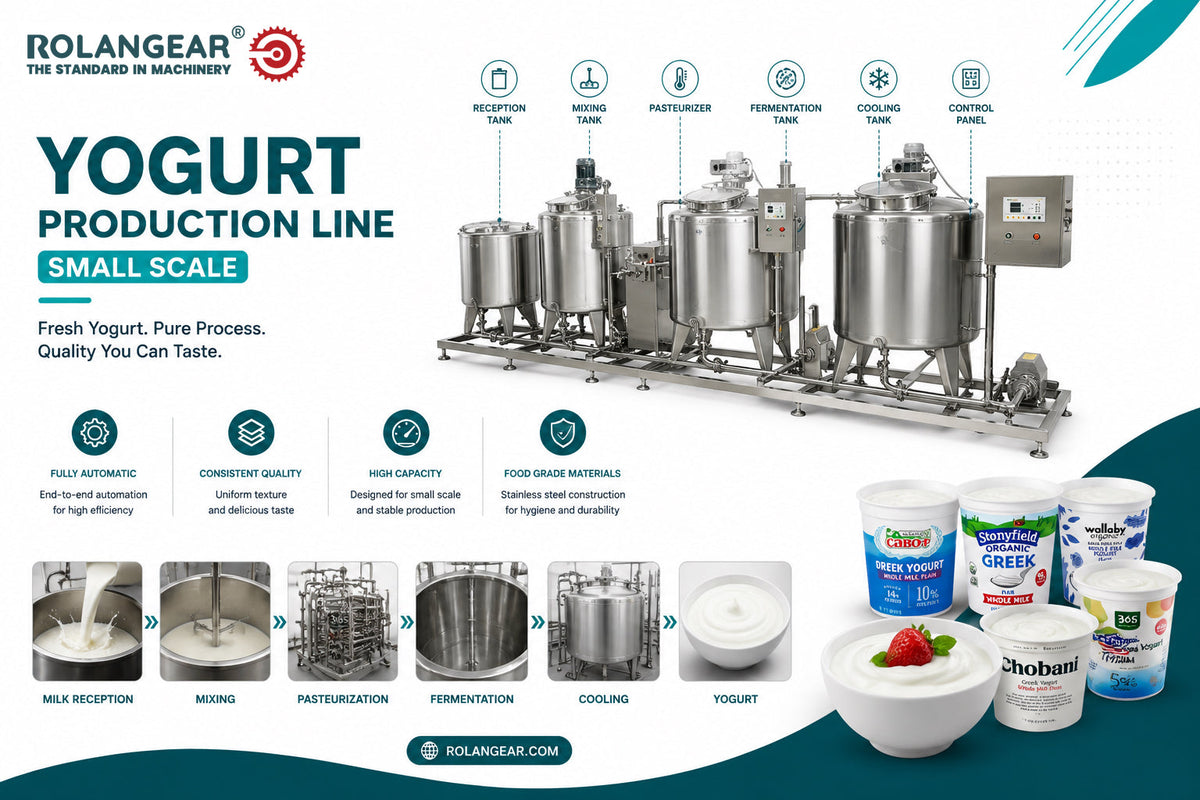
خط إنتاج الزبادي صغير الحجم هو نظام متكامل لمعالجة الألبان يحول الحليب الطازج إلى زبادي جاهز من خلال عمليات الإنتاج الخاضعة للرقابة.
على عكس آلات الألبان المنفصلة، يربط الخط المتكامل عدة قطع من المعدات في نظام واحد منسق. تؤدي كل آلة مهمة محددة مع دعم الجودة المستقرة وسلامة الأغذية وكفاءة الإنتاج.

يمكن تكوين الخط وفقًا للسعة اليومية ونوع المنتج وتنسيق التعبئة والتغليف، مما يساعد المصنعين على اختيار الحل الذي يتوافق مع أهداف أعمالهم.
القدرة الإنتاجية النموذجية
تم تصميم خطوط إنتاج الزبادي التجارية الصغيرة الحجم عادةً من أجل:
القدرة اليومية
العملاء النموذجيون
- 1,000 لتر/يوم
- بدء شركات الألبان والمزارع المحلية
- 2000 لتر/يوم
- صغار منتجي الألبان الإقليميين
- 3000 لتر/يوم
- تزايد الشركات المصنعة مع توسيع التوزيع
- 5,000 لتر/يوم
- إنشاء علامات تجارية إقليمية للألبان
تعتمد السعة المناسبة على حجم المبيعات وإمدادات الحليب وميزانية الاستثمار وخطط التوسع المستقبلية.
منتجات الزبادي التي يمكن تصنيعها
مع تعديلات العملية المناسبة، يمكن لخط واحد تصنيع منتجات الزبادي المختلفة، بما في ذلك:
- زبادي عادي
- ضبط الزبادي
- الزبادي المقلب
- شرب الزبادي
- زبادي الفواكه
- الزبادي المحلى
يمكن دمج المعدات الإضافية للزبادي اليوناني أو منتجات الألبان المتخصصة الأخرى.
المزايا الرئيسية لخط الإنتاج المتكامل
بالمقارنة مع شراء آلات منفصلة، فإن خط الإنتاج المتكامل يوفر مزايا واضحة:
- توافق أفضل للمعدات
- أداء إنتاج مستقر
- عملية مبسطة
- صيانة أسهل
- جودة المنتج أكثر اتساقا
مع زيادة الطلب، يمكن للمصنعين توسيع النظام بخزانات إضافية أو معدات تعبئة أو وحدات أتمتة دون إعادة تصميم العملية بأكملها.
3. عملية إنتاج الزبادي
الاستلام والترشيح والتقييس والتجانس والبسترة.
التبريد، وإضافة الثقافة البادئة، والتخمير المتحكم فيه، والتبريد النهائي.
خلط النكهات الاختياري، والتعبئة الدقيقة، والختم، والتعامل مع سلسلة التبريد.
يمر إنتاج الزبادي بعدة مراحل، وتؤثر كل مرحلة منها على السلامة والملمس والنكهة ومدة الصلاحية. تساعد العملية المصممة بشكل صحيح كل دفعة على تلبية معايير الجودة المتسقة.

- تدفق التصنيع القياسي هو:
استقبال الحليب الخام ← الترشيح ← التوحيد القياسي ← التجانس ← البسترة ← التبريد ← إضافة الثقافة البادئة ← التخمير ← التبريد ← خلط الفاكهة (اختياري) ← التعبئة ← التغليف
استقبال وتصفية الحليب الخام
يتم فحص الحليب الطازج قبل الإنتاج. يزيل الترشيح الشوائب المادية ويجهز الحليب لمزيد من المعالجة.
التوحيد القياسي
يتم تعديل تركيبة الحليب لتحقيق التوازن بين الدهون والمواد الصلبة، مما يساعد في الحفاظ على جودة ثابتة عبر الدفعات.
التجانس
يؤدي التجانس إلى تقليل حجم كريات الدهون، مما يخلق ملمسًا أكثر نعومة ويحسن الاستقرار. كما أنه يساعد على منع انفصال الكريم أثناء التخزين.
البسترة
يتم تسخين الحليب تحت ظروف خاضعة للرقابة لتقليل الكائنات الحية الدقيقة الضارة مع الحفاظ على القيمة الغذائية. هذه الخطوة ضرورية لسلامة الأغذية ومراقبة التخمير.
إضافة ثقافة التبريد والبادئ
بعد البسترة، يتم تبريد الحليب إلى درجة حرارة التخمير المطلوبة. تتم إضافة الثقافات البادئة لتطوير نكهة الزبادي وملمسه.
التخمير
أثناء عملية التخمير، تقوم البكتيريا المفيدة بتحويل اللاكتوز إلى حمض اللاكتيك، مما يزيد من سماكة الحليب ويخلق طعم الزبادي المميز. يجب التحكم في الوقت ودرجة الحرارة لتحقيق القوام والحموضة المطلوبة.
التبريد النهائي
بمجرد الوصول إلى مستوى التخمير المستهدف، يتم تبريد الزبادي بسرعة لوقف المزيد من النشاط البكتيري والحفاظ على الجودة.
خلط النكهات (اختياري)
اعتمادًا على مجموعة المنتجات، يمكن مزج مستحضرات الفاكهة أو المُحليات أو النكهات الطبيعية قبل التعبئة.
التعبئة والتغليف
تتم تعبئة الزبادي الجاهز في أكواب أو زجاجات أو أكياس أو حاويات أخرى وفقًا لمتطلبات السوق. التغليف المناسب يحمي الجودة أثناء التخزين والنقل وعرض البيع بالتجزئة.
4. المعدات الرئيسية في خط إنتاج الزبادي على نطاق صغير

يعد اختيار المعدات المناسبة أحد أهم القرارات عند الاستثمار في خط إنتاج الزبادي صغير الحجم. بدلاً من التركيز فقط على كمية الماكينة، يجب على الشركات المصنعة تقييم كيفية دعم كل نظام للجودة والكفاءة والنظافة والتوسع المستقبلي.
يتضمن خط الزبادي الكامل عادة معدات معالجة الحليب، وأنظمة المعالجة الحرارية، وخزانات التخمير، وآلات التعبئة، وأنظمة التنظيف، وأجهزة التحكم. يجب أن يتطابق التكوين النهائي مع نوع المنتج والقدرة اليومية.
4.1 معدات تخزين وتحضير الحليب
توفر صهاريج تخزين الحليب تخزينًا صحيًا قبل المعالجة وتساعد في الحفاظ على جودة الحليب.
عند اختيار معدات تخزين الحليب، ضع في اعتبارك ما يلي:
- سعة الخزان
- مادة من الفولاذ المقاوم للصدأ صالحة للطعام
- متطلبات التبريد
- راحة التنظيف
بالنسبة لأصناف الزبادي المختلفة، يساعد توحيد الحليب في الحفاظ على تركيبة متسقة من خلال التحكم في محتوى الدهون والمواد الصلبة.
4.2 الخالط
يعمل الخالط على تحسين قوام الزبادي وينتج منتجًا أكثر سلاسة واستقرارًا.
تشمل عوامل الاختيار الرئيسية ما يلي:
- قدرة المعالجة
- خصائص المنتج
- استهلاك الطاقة
- متطلبات الصيانة
يجب أن يتوافق النموذج المناسب مع حجم الإنتاج بدلاً من مجرد اختيار أعلى المواصفات.
4.3 نظام البسترة
تعد معدات البسترة ضرورية لسلامة الأغذية وجودة الزبادي المتسقة.
تشمل الخيارات الشائعة ما يلي:
لوحة مبسترة
مناسبة ل:
- الإنتاج المستمر
- عمليات متوسطة الحجم
- متطلبات كفاءة أعلى
دفعة بسترة
مناسبة ل:
- أحجام إنتاج أصغر
- جداول إنتاج مرنة
- تجارب المنتجات المتعددة
يعتمد الاختيار على أهداف الإنتاج والقدرة وخطط تشغيل المصنع.
4.4 خزان التخمير
يعد خزان التخمير مكونًا رئيسيًا يؤثر على قوام الزبادي ونكهته.
تشمل العوامل المهمة ما يلي:
- سعة الخزان
- دقة التحكم في درجة الحرارة
- أداء العزل
- تصميم التنظيف
بالنسبة لمنتجات الزبادي المتعددة، تعمل قدرة التخمير المرنة على تحسين جدولة الإنتاج.
4.5 معدات الخلط وتحضير المكونات
بالنسبة لزبادي الفواكه، والزبادي المنكه، والمنتجات المتخصصة، تجمع خزانات الخلط بين مكونات مثل:
- مستحضرات الفاكهة
- شراب السكر
- النكهات
- المكونات الوظيفية
يجب أن تتوافق المعدات مع متطلبات صياغة المنتج واللزوجة.
4.6 آلة تعبئة الزبادي
تحدد آلة التعبئة شكل التغليف النهائي.
تشمل الخيارات الشائعة ما يلي:
- ماكينات تعبئة الأكواب
- ماكينات تعبئة الزجاجات
- أنظمة تعبئة الأكياس
اعتبارات هامة:
- دقة الملء
- سرعة التغليف
- توافق الحاوية
- مرونة المنتج في المستقبل
يساعد حل التعبئة المناسب الشركات المصنعة على خدمة قطاعات السوق المختلفة.
4.7 نظام CIP والتحكم PLC
بالنسبة لإنتاج الألبان التجاري، تعد النظافة والأتمتة أمرًا ضروريًا.
يحافظ نظام CIP على الصرف الصحي عن طريق تنظيف الخزانات وخطوط الأنابيب بكفاءة.
يعمل نظام التحكم PLC على تحسين إدارة الإنتاج من خلال:
- مراقبة المعلمات
- التحكم في درجة الحرارة
- تنسيق المعدات
وتتزايد قيمة هذه الأنظمة مع نمو القدرة الإنتاجية.
5. اختيار الطاقة الإنتاجية المناسبة

أحد الأسئلة الأكثر شيوعًا بين المستثمرين هو:
"ما هي القدرة الإنتاجية التي يجب أن أختارها؟"
لا توجد إجابة عالمية. تعتمد السعة الأفضل على السوق المستهدف وحجم المبيعات المتوقع وإمدادات الحليب وخطة تطوير الأعمال.
إن اختيار المعدات لتلبية طلب اليوم فقط قد يحد من النمو المستقبلي، في حين أن الخط الكبير يمكن أن يزيد تكاليف التشغيل دون داع.

نصائح لتخطيط القدرات
قبل اختيار المعدات، فكر في الأسئلة التالية:
- ما هي كمية الزبادي التي تتوقع بيعها يومياً؟
- هل يمكن لإمدادات الحليب لديك أن تدعم الإنتاج المستمر؟
- هل مساحة المصنع كافية للتوسع المستقبلي؟
- هل تخطط لتقديم منتجات زبادي إضافية؟
- هل سيزيد الإنتاج خلال الثلاث إلى الخمس سنوات القادمة؟
تساعد الإجابة على هذه الأسئلة قبل شراء المعدات على تجنب قلة الاستثمار والتضخم غير الضروري.
6. ما الذي يؤثر على تكلفة خط إنتاج الزبادي على نطاق صغير؟
أحد الأسئلة الأولى التي يطرحها المشترون هو:
"ما هي تكلفة خط إنتاج الزبادي على نطاق صغير؟"
الجواب يعتمد على أكثر من القدرة اليومية. قد يكون لخطين بنفس المخرجات تكاليف مختلفة بسبب تكوين المعدات ومستوى التشغيل الآلي ومتطلبات المنتج.
بدلاً من التركيز فقط على سعر المعدات، يجب على المستثمرين تقييم المشروع بأكمله.
6.1 تكوين المعدات
يؤثر عدد ونوع الآلات بشكل مباشر على تكلفة المشروع.
على سبيل المثال، عادةً ما يتطلب الزبادي العادي مراحل أقل من المنتجات ذات النكهات المتعددة ذات تنسيقات التغليف المختلفة.
تعمل خزانات الخلط الاختيارية أو ماكينات وضع الملصقات أو أدوات التحكم المتقدمة على زيادة الاستثمار الأولي ولكن يمكنها تحسين المرونة على المدى الطويل.
6.2 مستوى الأتمتة
الأتمتة هي عامل استثمار رئيسي آخر.
تتطلب الأنظمة شبه الأوتوماتيكية مزيدًا من مشاركة المشغل ولكن عادةً ما تكون تكاليف المعدات الأولية أقل.
تعمل الخطوط الأوتوماتيكية بالكامل على تقليل التشغيل اليدوي وتحسين الاتساق وتناسب التصنيع التجاري على المدى الطويل.
يجب أن يتناسب مستوى الأتمتة مع حجم الإنتاج وتوافر العمالة بدلاً من مجرد اختيار أعلى المواصفات.
6.3 متطلبات التغليف
يجب اختيار معدات التعبئة والتغليف وفقًا للسوق المقصود.
العوامل المؤثرة على الاستثمار تشمل:
- نوع الحاوية
- حجم العبوة
- سرعة الملء
- متطلبات وضع العلامات
- التغليف الثانوي
غالبًا ما يحتاج موردو المتاجر الكبرى إلى حلول تغليف مختلفة من موردي خدمات الطعام أو موردي الجملة.
6.4 متطلبات المنفعة
تؤثر البنية التحتية الحالية للمصنع أيضًا على تكلفة المشروع.
تشمل الاعتبارات المهمة ما يلي:
- التدفئة بالبخار أو الكهربائية
- إمدادات المياه
- سعة التبريد
- الهواء المضغوط
- الطاقة الكهربائية
يساعد تقييم المرافق أثناء التخطيط على منع تكاليف التثبيت غير المتوقعة.
6.5 التوسع المستقبلي
- تقوم العديد من شركات الألبان بتوسيع الإنتاج في غضون بضع سنوات.
عند التخطيط لمشروع ما، يجدر النظر في:
- خزانات تخمير إضافية
- قدرة تعبئة أعلى
- فئات المنتجات الجديدة
- زيادة الأتمتة
غالبًا ما يوفر الخط المصمم للتوسع المستقبلي قيمة أفضل على المدى الطويل من المعدات المختارة لتلبية الاحتياجات الحالية فقط.
7. اعتبارات تخطيط المصنع لخط إنتاج الزبادي صغير الحجم

يتطلب مشروع الزبادي الناجح أكثر من مجرد معدات مناسبة. تؤثر بيئة المصنع وظروف النظافة والمرافق وتنظيم سير العمل على الكفاءة والاستقرار على المدى الطويل.
لا يحتاج مصنع الزبادي الصغير إلى حجم مصنع ألبان كبير، ولكن يجب تخطيطه بشكل احترافي لتلبية متطلبات سلامة الغذاء ودعم النمو.
7.1 ورشة عمل تقسيم المناطق وتخطيط المساحة
ينبغي تقسيم منشأة إنتاج الزبادي إلى مناطق وظيفية وفقًا لمتطلبات الإنتاج.
تشمل مناطق المصانع النموذجية ما يلي:
- منطقة استلام الحليب الخام
- ورشة المعالجة
- منطقة التخمير والتخزين
- غرفة التعبئة والتغليف
- مستودع المنتجات النهائية
- منطقة المرافق
- منطقة التنظيف والصرف الصحي
تقسيم المناطق يخلق بيئة إنتاج منظمة ويقلل من الحركة غير الضرورية للمواد والأفراد.
يجب أيضًا أن توفر ورشة العمل جيدة التخطيط مساحة كافية لما يلي:
- صيانة المعدات
- وصول المشغل
- ترقيات المعدات المستقبلية
حتى مع وجود سعة أولية صغيرة، فإن التخطيط للتوسع يمكن أن يساعد في تجنب تعديلات المصنع باهظة الثمن لاحقًا.
7.2 متطلبات النظافة وسلامة الأغذية
تتطلب منتجات الألبان إدارة صارمة للنظافة لأن المنتجات المعتمدة على الحليب حساسة للتلوث.
- تشمل الاعتبارات المهمة للمصنع ما يلي:
- الأرضيات والجدران سهلة التنظيف
- أنظمة الصرف المناسبة
- أسطح الإنتاج الصحية
- الفصل بين المناطق النظيفة وغير النظيفة
- مرافق نظافة الموظفين
يجب أن يدعم تصميم المصنع التنظيف اليومي ومعايير سلامة الأغذية المتسقة.
7.3 التخزين البارد والتعامل مع المنتج
يعد التحكم في درجة الحرارة أمرًا ضروريًا طوال عملية إنتاج الزبادي وتوزيعه.
يجب أن يأخذ المصنع بعين الاعتبار التخزين البارد المناسب لما يلي:
- الحليب الخام
- الثقافات المبتدئة
- منتجات الزبادي الجاهزة
يتطلب الزبادي الجاهز تخزينًا محكمًا قبل التسليم للحفاظ على:
- جودة المنتج
- مدة الصلاحية
- رضا العملاء
بالنسبة لمحلات السوبر ماركت أو التوزيع لمسافات طويلة، فإن تخطيط التبريد مهم بشكل خاص.
7.4 متطلبات المنفعة
يعتمد مصنع الزبادي على مرافق موثوقة للتشغيل المستقر.
تشمل المتطلبات الشائعة ما يلي:
إمدادات المياه
تستخدم ل:
- تنظيف الإنتاج
- معدات الصرف الصحي
- أنظمة CIP
كهرباء
مطلوب ل:
- مضخات
- أنظمة التحكم
التبريد
- معدات التعبئة والتغليف
نظام التدفئة
اعتمادا على اختيار المعدات، قد تحتاج المصانع إلى:
- أنظمة البخار
- التدفئة الكهربائية
- أنظمة الماء الساخن
التبريد
مهم ل:
- تخزين الحليب
- تبريد الزبادي
- تخزين المنتج النهائي
يساعد التخطيط المناسب للمرافق على تقليل مشكلات التشغيل بعد التثبيت.
8. كيفية اختيار مورد خط إنتاج الزبادي المناسب
يعد اختيار المورد المناسب أحد أهم القرارات عند إنشاء مشروع لتصنيع الزبادي.
يجب أن يقدم المورد الموثوق به أكثر من مجرد آلات فردية. يجب أن يفهموا المشروع بأكمله ويساعدوا في إيجاد حل عملي للإنتاج.

8.1 خبرة في حلول معالجة الألبان
يتضمن إنتاج الزبادي متطلبات صارمة من أجل:
- نظافة الغذاء
- التحكم في درجة الحرارة
- اتساق المنتج
- تكامل المعدات
يمكن للمورد الذي يتمتع بخبرة في معالجة منتجات الألبان أن يفهم هذه المتطلبات بشكل أفضل ويوصي بالتكوينات المناسبة.
8.2 حلول المعدات المخصصة
- كل عميل لديه أهداف مختلفة.
يجب أن يأخذ خط الإنتاج المناسب في الاعتبار ما يلي:
- منتجات الزبادي المستهدفة
- القدرة اليومية
- متطلبات التعبئة والتغليف
- ظروف المصنع
- خطط التوسع المستقبلية
يجب على المورد المحترف تقديم حلول مخصصة بدلاً من تقديم حزمة قياسية واحدة لكل عميل.
8.3 الدعم الكامل للمشروع
- عادة ما يتضمن بناء مصنع الزبادي عدة مراحل:
- اختيار المعدات
- تخطيط الإنتاج
- ترتيب المصنع
- إرشادات التثبيت
- تدريب المشغلين
إن العمل مع مورد يدعم المشروع بأكمله يقلل من صعوبة الاتصال ويحسن التنفيذ.
8.4 الدعم الفني لما بعد البيع
يعد خط الإنتاج استثمارًا طويل الأجل، لذا يعد الدعم الفني الموثوق به أمرًا ضروريًا.
تشمل خدمات الموردين المهمة ما يلي:
- إرشادات تشغيل المعدات
- دعم قطع الغيار
- الاستشارة الفنية
- المساعدة في الصيانة
تساعد خدمة ما بعد البيع القوية الشركات المصنعة على الحفاظ على إنتاج مستقر بعد بدء التشغيل.
9. لماذا تختار Rolangear لحلول إنتاج الزبادي على نطاق صغير؟
إن اختيار شريك الإنتاج المناسب يمكن أن يحدد مدى سلاسة تطور مشروع الألبان.
توفر Rolangear حلولاً كاملة لإنتاج الأغذية، مما يساعد العملاء على الانتقال من تخطيط المشروع إلى التشغيل العملي للمصنع.
9.1 تصميم خط الإنتاج حسب الطلب
- الشركات المختلفة لها أهداف إنتاجية مختلفة.
توفر Rolangear حلولاً تعتمد على:
- القدرة المطلوبة
- أنواع المنتجات
- صيغ التعبئة والتغليف
- ظروف المصنع
- خطط الاستثمار
سواء كنت تبدأ مشروعًا صغيرًا لمنتجات الألبان أو تقوم بتوسيع منشأة قائمة، يمكن تصميم نظام الإنتاج وفقًا للمتطلبات الفعلية.
9.2 التكامل الكامل للمعدات
يتطلب مصنع الزبادي الناجح معدات تعمل معًا كنظام واحد.
تدعم Rolangear العملاء بحلول متكاملة تغطي:
- معدات تجهيز الألبان
- أنظمة التخزين
- معدات التخمير
- حلول التعبئة والتغليف
- أنظمة التحكم
وهذا يساعد العملاء على تجنب تحديات التنسيق بين عدة موردين غير مرتبطين.
9.3 الدعم العملي لتخطيط المصنع
قبل التثبيت، التخطيط السليم يحسن كفاءة المشروع.
يمكن لـ Rolangear مساعدة العملاء فيما يلي:
- اقتراحات ترتيب المعدات
- تخطيط مساحة الإنتاج
- التواصل الفني
- تنسيق المشروع
الهدف هو خلق بيئة إنتاج عملية تدعم التشغيل الموثوق.
10. الأسئلة المتداولة حول خطوط إنتاج الزبادي صغيرة الحجم
ما هي السعة المناسبة لمصنع زبادي صغير؟
إن السعة التي تتراوح بين 1000 و5000 لتر يوميًا مناسبة للعديد من شركات الألبان الناشئة والإقليمية. يعتمد الخيار الأفضل على طلب السوق وإمدادات الحليب وميزانية الاستثمار وخطط التوسع المستقبلية.
ما هي تكلفة خط إنتاج الزبادي على نطاق صغير؟
ويعتمد الاستثمار على العديد من العوامل، بما في ذلك القدرة الإنتاجية، وتكوين المعدات، ومستوى الأتمتة، ومتطلبات التعبئة والتغليف، وظروف المصنع. عادةً ما يلزم إجراء تقييم مخصص للمشروع لتحديد الاستثمار الفعلي.
هل يمكن لخط إنتاج الزبادي الصغير أن يصنع منتجات زبادي مختلفة؟
نعم. مع التكوين المناسب للمعدات والوصفات، يمكن لخط إنتاج واحد إنتاج منتجات مثل الزبادي العادي، زبادي الفواكه، زبادي الشرب، وأصناف أخرى مخصصة.
ما هي مساحة المصنع اللازمة لخط إنتاج الزبادي؟
وتعتمد المساحة المطلوبة على الطاقة الإنتاجية وترتيب المعدات ومتطلبات التخزين وطرق التعبئة والتغليف. يمكن للمورد المحترف المساعدة في تحسين التخطيط وفقًا لمساحة المصنع المتاحة.
هل المعدات الأوتوماتيكية ضرورية لمصنع زبادي صغير؟
ليس دائما. يجب أن يتوافق مستوى الأتمتة مع أهداف الإنتاج وتوافر العمالة وخطط الاستثمار. قد تناسب الأنظمة شبه الآلية الشركات الصغيرة، في حين أن الحلول التلقائية أكثر ملاءمة للشركات المصنعة المتنامية.
الخلاصة: بناء مشروع تجاري ناجح لتصنيع الزبادي
يتطلب بدء عمل تجاري لتصنيع الزبادي تخطيطًا دقيقًا، بدءًا من اختيار القدرات وحتى اختيار المعدات وتصميم بيئة مصنع فعالة. يمنح خط إنتاج الزبادي صغير الحجم مزارع الألبان ورجال الأعمال ومصنعي المواد الغذائية طريقة عملية لدخول سوق الزبادي باستثمار يمكن التحكم فيه ومعايير احترافية. يعتمد النجاح على المدى الطويل على اختيار الحل الذي يتوافق مع الاحتياجات الحالية مع السماح بالتوسع في المستقبل. تساعد المعدات الموثوقة والتخطيط العملي للمصنع والدعم الفني الشركات المصنعة على بناء عملية مستقرة وتنافسية. تساعد Rolangear العملاء على تطوير أنظمة إنتاج الزبادي المخصصة بناءً على متطلبات المنتج وأهداف السعة وخطط الاستثمار. سواء كنت تخطط لمصنع زبادي جديد أو ترقية عملية ألبان حالية، يمكن لـ Rolangear دعم اختيار المعدات، وتخطيط الخطوط، والتواصل مع المشروع. اتصل بـ Rolangear لمناقشة مشروعك لإنتاج الزبادي على نطاق صغير وبناء حل موثوق لسوقك.
خطط لخط إنتاج الزبادي على نطاق صغير باستخدام Rolangear
يمكن أن تساعدك Rolangear في تقييم السعة، ومعالجة الحليب، والبسترة، والتخمير، والتعبئة، والتعبئة، والمرافق، وتخطيط المصنع، والتوسع المستقبلي لمشروع إنتاج زبادي موثوق.
تواصل مع Rolangear للحصول على حل مخصص