
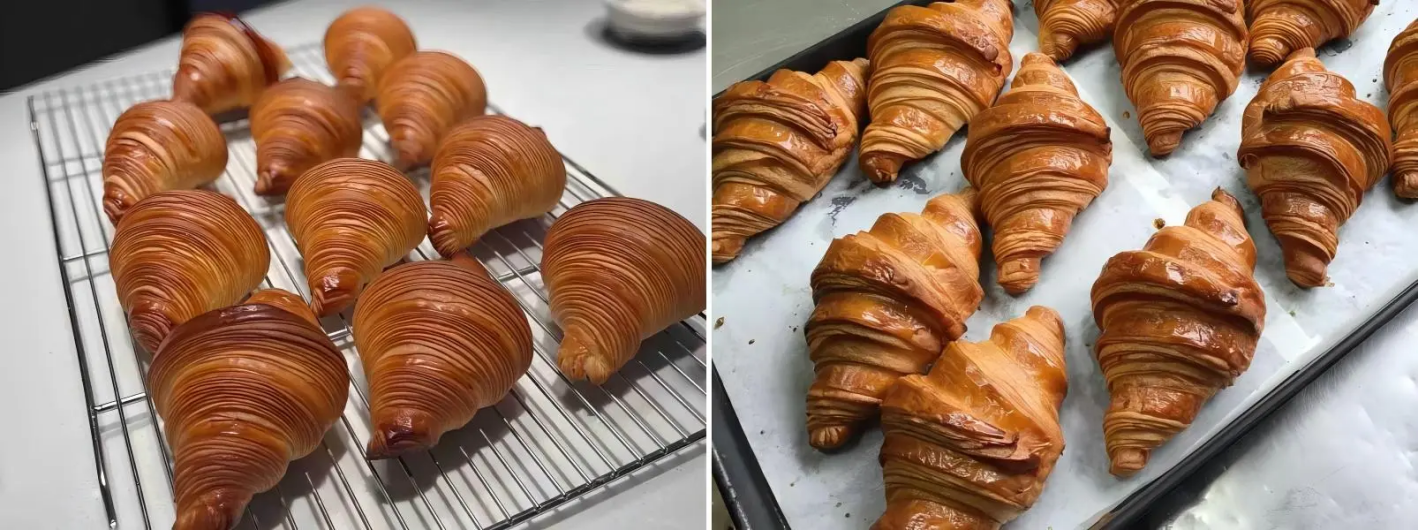


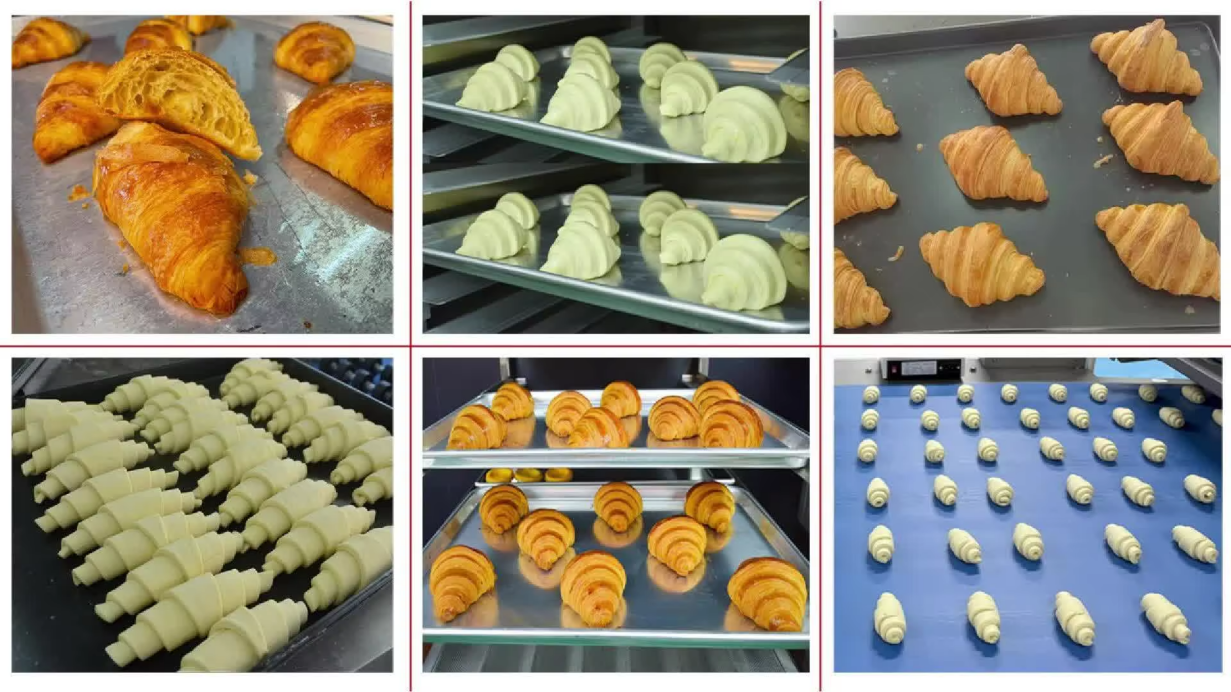
خط إنتاج الكرواسون المتكامل
السعر المذكور هو دفعة مقدمة فقط . قد يختلف السعر النهائي بناءً على متطلباتك وخياراتك الخاصة. تواصل معنا للحصول على عرض سعر مخصص.
يرجى العلم أن السعر المذكور هو دفعة مقدمة فقط. قد يختلف السعر النهائي للجهاز بناءً على متطلباتك الخاصة وتكويناتك وميزاتك الاختيارية. بمجرد استلامنا لاحتياجاتك المفصلة، سنقدم لك عرض سعر شامل. تواصل معنا للحصول على عرض سعر مخصص.
اتصل بنا للحصول على كتالوجات المنتجات غير المحملة
الشراء المباشر: (7-10 أيام)
التخصيص: (8-12 يومًا)
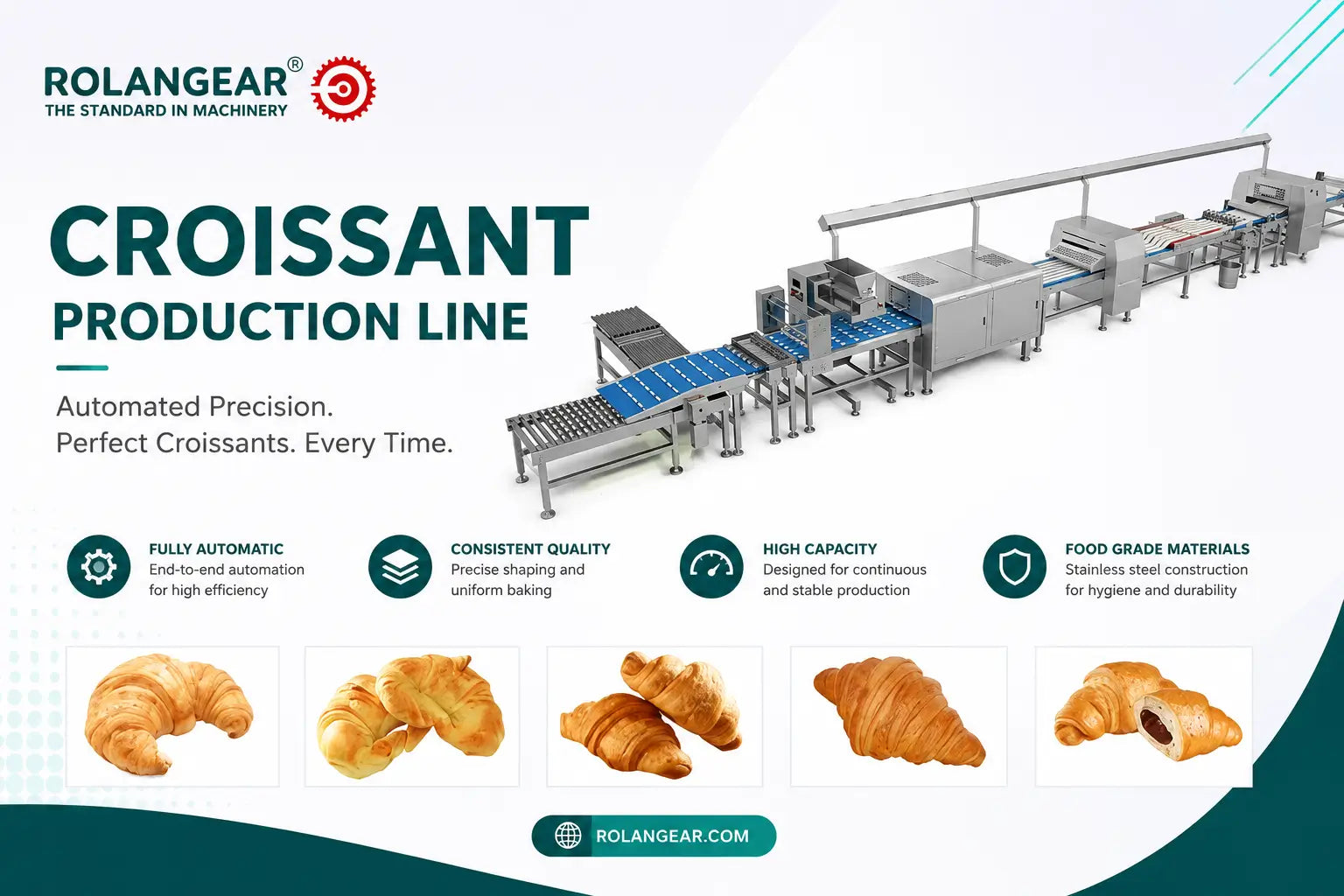
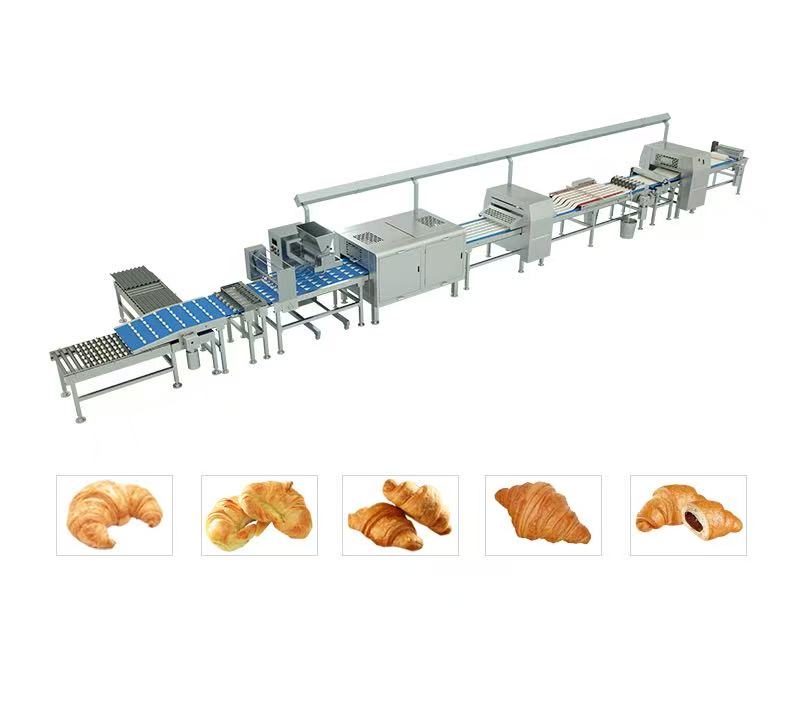
خط إنتاج الكرواسون المتكامل من ماكينات رولانجير
تقدم شركة رولانجير للمعدات حلولاً متكاملة وآلية لإنتاج الكرواسون - بدءًا من خلط العجين وتوريق الزبدة، وصولاً إلى التشكيل والتخمير والخبز والتجميد والتعبئة. تم تصميم كل خط هندسيًا ليناسب نوع منتجك، وقدرتك الإنتاجية، وظروف المصنع، وهو مصنوع من الفولاذ المقاوم للصدأ مع نظام تحكم PLC بدرجة صناعية لتصنيع مخبوزات عالية الإنتاجية ومتسقة.

لماذا تختار خط الكرواسون من رولانجير؟
- أتمتة شاملة ومتكاملة: من الخلط والتوريق وصولاً إلى التعبئة المحكمة
- إنتاجية عالية: تشكيلات من خطوط الحرف اليدوية الصغيرة إلى القدرات الصناعية للتصدير
- توريق دقيق: توزيع محكم للزبدة وفصل طبقات متناسق للحصول على قوام مقرمش أصيل
- جاهز طازج ومجمد: يمكن تهيئة الخط لاستراتيجيات الكرواسون الطازج أو شبه المخبوز أو المجمد بالكامل
- فولاذ مقاوم للصدأ بدرجة غذائية: أسطح تلامس صحية، تصميم سريع التنظيف، مكونات معتمدة من CE
- نطاق منتجات مرن: كرواسون بالزبدة الكلاسيكي، بالشوكولاتة، محشو بالكريمة، محشو بالفواكه، بالجبنة، وميني كرواسون من خط واحد
- تحكم PLC + HMI: نظام تحكم صناعي مع تخزين الوصفات، تشخيصات حية، وواجهة متعددة اللغات
- دعم كامل للمشروع: تصميم التخطيط، التركيب، التشغيل، تدريب المشغلين، وخدمة فنية طويلة الأجل
عملية تصنيع متكاملة

تدفق إنتاج الكرواسون الصناعي النموذجي:
تحضير المواد الخام ← خلط العجين ← راحة العجين ← رق العجين ← توريق الزبدة ← الطي والتقليب ← التقطيع ← التشكيل / الحشو ← التخمير ← الخبز أو التجميد ← التبريد ← التعبئة
تؤثر كل خطوة على الخطوة التالية. إذا كان العجين دافئًا جدًا، فقد تذوب الزبدة أثناء التوريق. إذا كان رق العجين غير متساوٍ، يصبح وزن التقطيع غير متناسق. إذا لم يتم التحكم في التخمير بشكل صحيح، تتأثر الجودة والحجم. يستخدم الخط الاحترافي تحكمًا دقيقًا في العملية لضمان استقرار الجودة عبر الورديات.
الآلات المتضمنة في خط الإنتاج

1. خلاط العجين
الوظيفة: يخلط المكونات للحصول على عجين متجانس
نقاط الاختيار الرئيسية: حجم الدفعة، سرعة الخلط، التحكم في درجة الحرارة، طريقة التفريغ
2. نظام راحة العجين
الوظيفة: يسمح للعجين بالاسترخاء والتخمر
نقاط الاختيار الرئيسية: الوقت، الرطوبة، درجة الحرارة، طريقة التعامل مع العجين
3. آلة رق العجين
الوظيفة: تدحرج العجين إلى صفائح محكمة التحكم
نقاط الاختيار الرئيسية: فجوة الأسطوانة، عرض الصفيحة، دقة السماكة، سرعة الناقل
4. نظام التوريق
الوظيفة: يدخل الزبدة / الدهن ويخلق طبقات مقرمشة
نقاط الاختيار الرئيسية: توزيع الزبدة، طريقة الطي، تناسق الطبقات، التحكم في درجة الحرارة
5. آلة التقطيع
الوظيفة: تقطع العجين المورق إلى قطع مثلثة دقيقة
نقاط الاختيار الرئيسية: حجم المنتج، التحكم في الوزن، تصميم الشفرة، نفايات القطع
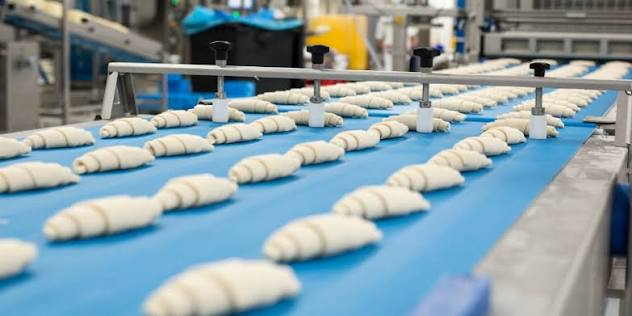
6. آلة تشكيل الكرواسون
الوظيفة: تدحرج وتُشكل قطع العجين إلى كرواسون
نقاط الاختيار الرئيسية: تناسق الشكل، السرعة، نطاق المنتج، وقت التغيير
7. نظام التعبئة
الوظيفة: يودع الحشو للمنتجات ذات القيمة المضافة
نقاط الاختيار الرئيسية: نوع الحشو، دقة الجرعات، تصميم صحي، التحكم في التسرب
8. غرفة التخمير
الوظيفة: تتحكم في التخمير قبل الخبز
نقاط الاختيار الرئيسية: درجة الحرارة، الرطوبة، تدفق الهواء، وقت الإقامة، مطابقة السعة
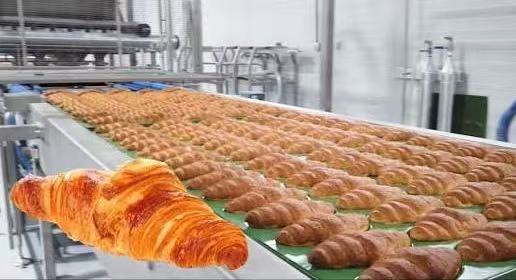
9. فرن الأنفاق
الوظيفة: يخبز المنتجات باستمرار
نقاط الاختيار الرئيسية: طريقة التسخين، مناطق درجة الحرارة، عرض الحزام، مصدر الطاقة
10. ناقل التبريد
الوظيفة: يخفض درجة حرارة المنتج قبل التعبئة
نقاط الاختيار الرئيسية: الطول، تدفق الهواء، التصميم الصحي، سرعة الخط
11. آلة التعبئة والتغليف
الوظيفة: تعبئ للتجزئة، خدمات الطعام، أو التوزيع المجمد
نقاط الاختيار الرئيسية: نمط العبوة، نوع الفيلم، السرعة، وضع العلامات، متطلبات الكرتون
يتم تأكيد قائمة المعدات النهائية بناءً على نوع منتجك. قد لا يحتاج خط كرواسون الزبدة الطازج إلى معدات حشو أو تجميد، بينما سيتطلب مصنع كرواسون مجمد محشو وحدات حشو وتجميد وتخزين بارد وتعبئة متخصصة إضافية.
إنتاج الكرواسون الطازج مقابل المجمد

إنتاج الكرواسون الطازج يناسب المخابز والمقاهي والفنادق ومحلات السوبر ماركت والتوزيع اليومي المحلي. نضارة ممتازة، تجربة استهلاكية قوية، ودوران بيع بالتجزئة سريع - ولكن مدة صلاحية أقصر والاعتماد على قنوات البيع المحلية.
إنتاج الكرواسون المجمد يوسع نطاق السوق ليشمل سلاسل السوبر ماركت والمطاعم وخدمات الطعام والتصدير. يقوم العملاء بإنهاء الخبز بالقرب من نقطة البيع للحصول على تجربة طازجة دون الحاجة إلى مرافق إنتاج كاملة. يتطلب معدات تجميد، وتخزين بارد، ولوجستيات سلسلة تبريد، وتعبئة مصممة للتعامل مع درجات الحرارة المنخفضة.
يختار العديد من المصنعين خطًا مرنًا يدعم كليهما. تختلف متطلبات الخبز والتجميد والتبريد والتعبئة - يجب تحديد الاستراتيجية أثناء تخطيط المشروع.
السعة والتكلفة والتكوين
لا ينبغي اختيار السعة بناءً على سرعة الماكينة القصوى وحدها. إذا كان أي قسم (الخلاط، الفرن، ناقل التبريد، التعبئة) أبطأ من قسم التشكيل، فإنه يصبح عنق زجاجة. يجب أن يكون الخط بأكمله متوازنًا.
تعتمد تكلفة الخط على:
- القدرة الإنتاجية وساعات التشغيل
- مستوى الأتمتة ونظام التحكم
- عدد أنواع المنتجات ونطاقات الأحجام
- ما إذا كان الحشو أو التجميد أو التعبئة الخاصة مطلوبًا
- نوع الفرن، طريقة التسخين، ومصدر الطاقة
- متطلبات الفولاذ المقاوم للصدأ وتصميم النظافة
- تخطيط المصنع، التركيب، المرافق، ودعم التشغيل
- قطع الغيار، تدريب المشغلين، وخدمة ما بعد البيع
يتم تقديم عرض أسعار لكل مشروع على حدة بناءً على مواصفات منتجك، والسعة المستهدفة، وتخطيط المصنع، وظروف المرافق، وخطة التعبئة.
تخطيط المصنع ومتطلبات المرافق

يدعم التخطيط العملي للمصنع تدفقًا سلسًا للمواد في اتجاه واحد:
مستودع المواد الخام ← الخلط ← راحة العجين ← رق العجين والتوريق ← التقطيع والتشكيل ← التخمير ← الخبز / التجميد ← التبريد ← التعبئة ← مستودع المنتجات النهائية
المرافق التي يجب تأكيدها قبل الطلب: مصدر الطاقة، الهواء المضغوط، الماء، الصرف، التهوية، الغاز أو الكهرباء للأفران، التحكم في البخار / الرطوبة للتخمير، تكييف الهواء لمناطق التوريق، والتخزين البارد للمنتجات المجمدة. نظرًا لأن عجينة الكرواسون والزبدة حساسة لدرجة الحرارة، فإن التحكم في مناخ الورشة أمر بالغ الأهمية للتوريق وجودة المنتج.
مراقبة الجودة، التنظيف والصيانة
تمتد نقاط مراقبة الجودة على طول الخط بأكمله: وزن المكونات، درجة حرارة العجين، المرونة، سمك الصفيحة، توزيع الزبدة، وزن التقطيع، شكل التشكيل، كمية الحشو، حالة التخمير، لون الخبز، القوام الداخلي، درجة حرارة التبريد، إحكام إغلاق العبوات، والمظهر النهائي.
تشمل الصيانة الوقائية الأحزمة، البكرات، الشفرات، المحامل، السلاسل، المستشعرات، مكونات الفرن، أنظمة رطوبة التخمير، وأجزاء إغلاق التعبئة. يتم تضمين خطة قطع غيار موصى بها مع كل مشروع لتقليل وقت التوقف عن العمل.
الأسئلة المتداولة
ما هي المنتجات التي يمكن أن ينتجها خط إنتاج الكرواسون؟
يمكن لخط إنتاج الكرواسون أن ينتج كرواسون بالزبدة الكلاسيكي، كرواسون بالشوكولاتة، كرواسون محشو بالكريمة، كرواسون محشو بالفواكه، كرواسون بالجبنة، ميني كرواسون، كرواسون مجمد غير مخبوز، كرواسون مخبوز جزئيًا، وكرواسون جاهز للأكل ومعبأ، اعتمادًا على تكوين المعدات.
هل يمكن لخط واحد إنتاج أحجام مختلفة من الكرواسون؟
نعم، يمكن للعديد من الخطوط إنتاج أحجام مختلفة عن طريق تغيير معلمات القطع، وإعدادات التشكيل، والقوالب، أو وصفات المنتج. تعتمد المرونة الدقيقة على تصميم الآلة، ونطاق المنتج، ومتطلبات التغيير.
كم تبلغ تكلفة خط إنتاج الكرواسون الأوتوماتيكي؟
تعتمد التكلفة على السعة، مستوى الأتمتة، تكوين المعدات، نوع المنتج، نظام الفرن أو التجميد، متطلبات التعبئة، احتياجات التركيب، وظروف المصنع. يوصى بطلب عرض أسعار مخصص لأن كل مشروع له متطلبات مختلفة.
ما هي السعة التي يجب أن أختارها؟
اختر السعة وفقًا لقنوات البيع الخاصة بك، وحجم الطلبات اليومية، ووزن المنتج، وعدد الورديات، ومساحة المصنع، والميزانية، وخطة التوسع المستقبلية. يجب أن تكون الخلاط، وآلة التوريق، وآلة التشكيل، والفرن، وناقل التبريد، ونظام التعبئة متوازنة لتجنب الاختناقات.
هل إنتاج الكرواسون المجمد خيار عمل جيد؟
يمكن أن تكون الكرواسون المجمدة جذابة لمحلات السوبر ماركت والمطاعم والمقاهي والفنادق والتوزيع للتصدير لأنها تطيل مدة الصلاحية وتسمح بالخبز النهائي بالقرب من العميل. ومع ذلك، يجب أن يتضمن المشروع معدات تجميد، وتعبئة مناسبة، وتخزين بارد، ولوجستيات سلسلة التبريد.
ما هي المعلومات التي يجب أن أقدمها قبل طلب عرض أسعار؟
قم بتحضير نوع المنتج المستهدف، ووزن المنتج أو حجمه، والسعة المطلوبة، وخطة الإنتاج الطازج أو المجمد، ومتطلبات الحشو، ونمط التعبئة، وتخطيط المصنع، ومصدر الطاقة، وتفضيل طاقة الفرن، وأي متطلبات خاصة بالنظافة أو الأتمتة.
اطلب تكوينًا مخصصًا لخط الكرواسون
كل مصنع كرواسون مختلف. أرسل لنا نوع منتجك المستهدف، الوزن، السعة، استراتيجية الطازج أو المجمد، متطلبات الحشو والتعبئة، أبعاد المصنع، وظروف المرافق - وسنعود إليك بتكوين مناسب، واقتراح تخطيط، وعرض أسعار.
حدِّد الخيارات
هل أنت مستعد لأتمتة خط إنتاج الكرواسون المتكامل الخاص بك؟
اتصل بشركة Rolangear Machinery اليوم للحصول على عرض أسعار أو خيارات التخصيص أو استشارة مجانية.
