Línea de producción de bandejas de huevos a partir de papel usado: proceso, capacidad y opciones de secado
Línea de producción de bandejas de huevos a partir de papel usado: proceso, capacidad y opciones de secado
Aprenda cómo funciona una línea de producción de bandejas de huevos a partir de papel usado, incluyendo el proceso de desfibrado, moldeado, opciones de secado, planificación de capacidad, diseño de fábrica y consejos para la selección del comprador.
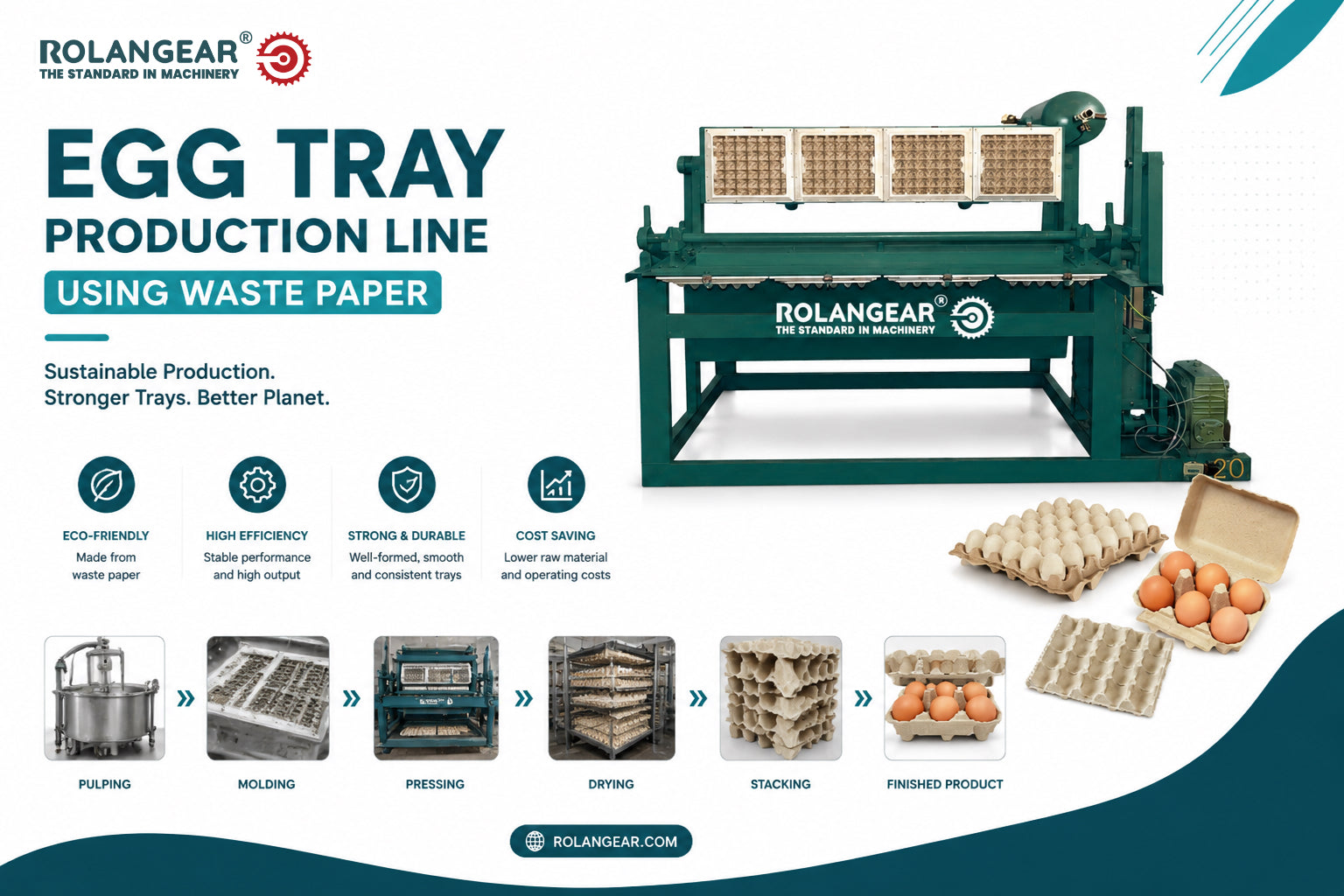
Una línea de producción de bandejas de huevos que utiliza papel usado convierte materiales de papel reciclado en productos de embalaje de pulpa moldeada para granjas de huevos, distribuidores, empresas de alimentos y proveedores de embalajes. La línea completa normalmente incluye el desfibrado de papel usado, la preparación de la pulpa, el moldeo de bandejas de huevos, el secado, la inspección, el apilamiento y el embalaje. Debido a que la materia prima puede provenir de cartones viejos, periódicos, papel de oficina u otros residuos de papel reciclables, la fabricación de bandejas de huevos a menudo se considera una forma práctica de combinar la demanda de embalajes con el valor del reciclaje.

Para los inversores, la oportunidad es atractiva, pero la línea de producción debe planificarse cuidadosamente. Una fábrica de bandejas de huevos exitosa no se trata solo de comprar una máquina de moldeo. El rendimiento real depende de la calidad de la materia prima, la consistencia de la pulpa, el diseño del molde, el método de secado, la capacidad de producción, la organización de la mano de obra, el diseño de la fábrica y las condiciones energéticas. El secado es especialmente importante porque afecta la velocidad de producción, la resistencia del producto, el costo operativo y el espacio de fábrica requerido.
Rolangear apoya a los compradores con soluciones prácticas de líneas de producción de bandejas de huevos basadas en la capacidad objetivo, el tamaño del producto, el nivel de automatización, el método de secado y los servicios de fábrica disponibles. Esta guía explica cómo funciona la línea, qué equipos se requieren, cómo comparar las opciones de secado y qué deben confirmar los compradores antes de pedir un sistema de máquina de bandejas de huevos.
¿Por qué invertir en la fabricación de bandejas de huevos?
El embalaje de pulpa moldeada está creciendo porque muchos mercados buscan alternativas reciclables, biodegradables y rentables al embalaje de plástico. Las bandejas de huevos son uno de los productos de pulpa moldeada más comunes porque los huevos requieren una protección segura durante el transporte, almacenamiento y manipulación en el comercio minorista. Granjas avícolas, centros de recolección de huevos, distribuidores y empresas de envasado de alimentos necesitan un suministro estable de bandejas de huevos.

Un negocio de producción de bandejas de huevos a partir de papel usado también puede beneficiarse de la economía circular. En lugar de tratar el papel usado como material de bajo valor, la fábrica lo convierte en un producto de embalaje útil con una demanda regular en el mercado. Esto puede ayudar a reducir los costos de materia prima y apoyar una imagen comercial más sostenible. Para los clientes que valoran un embalaje más ecológico, las bandejas de huevos de papel reciclado pueden ser un fuerte argumento de venta.
Otra ventaja es la escala de inversión flexible. Las fábricas pequeñas y medianas pueden empezar con sistemas semiautomáticos para clientes locales, mientras que los fabricantes más grandes pueden utilizar máquinas formadoras automáticas, líneas de secado de metal y apilamiento automático para mejorar la productividad. El mejor nivel de inversión depende de la producción local de huevos, la demanda de embalajes, la disponibilidad de papel base, el costo de la energía y las condiciones laborales.
¿Qué es una línea de producción de bandejas de huevos a partir de papel usado?
Una línea de producción de bandejas de huevos a partir de papel usado es un sistema de fabricación de pulpa moldeada que transforma papel reciclado en bandejas con forma. El proceso comienza mezclando los residuos de papel con agua para crear pulpa. La pulpa se refina y ajusta antes de ser entregada a la máquina de moldeo. Un sistema de formación al vacío atrae las fibras hacia los moldes para crear las formas húmedas de las bandejas de huevos. Después de la formación, las bandejas húmedas se secan, inspeccionan, apilan y empaquetan.
Cada paso afecta la calidad final del producto. Si el papel base contiene demasiadas impurezas, la pulpa puede ser inestable. Si no se controla la concentración de la pulpa, el peso y la resistencia de la bandeja pueden variar. Si el secado es irregular, los productos pueden deformarse, agrietarse o permanecer demasiado húmedos para el apilamiento. Por lo tanto, una línea profesional debe diseñarse como un sistema completo, no como máquinas separadas sin coordinación.
Materias primas adecuadas y aplicaciones del producto

Las materias primas comunes incluyen periódicos viejos, cartones de desecho, papel ondulado, papel de oficina, papel de libros y otros materiales de papel reciclables. La receta exacta depende del suministro local y de los requisitos del producto. Para bandejas más resistentes, los cartones y el papel ondulado pueden ser útiles porque contienen fibras más largas. Para superficies más lisas, se puede preferir una fuente de papel más limpia. Los compradores deben probar las materias primas locales antes de confirmar el proceso final.
El producto principal es la bandeja de huevos, como las bandejas de 30 celdas que se usan comúnmente en granjas y distribuidores. Dependiendo del diseño del molde, la misma tecnología de pulpa moldeada también puede producir cartones de huevos, bandejas de frutas, portavasos, portabotellas y embalajes protectores industriales. Esto da a los fabricantes más flexibilidad si planean expandirse más allá del embalaje de huevos en el futuro.
Sin embargo, la diversificación de productos requiere los moldes adecuados, la compatibilidad de la máquina de conformado, la capacidad de secado y la disposición del embalaje. Un comprador que quiera producir tanto bandejas de huevos como otros productos de pulpa moldeada debe explicar este requisito antes de pedir la línea, porque puede influir en la estructura de la máquina, el cambio de molde y el diseño de la fábrica.
Proceso completo de fabricación de bandejas de huevos

1. Preparación del papel usado
El papel usado debe clasificarse antes del desfibrado. La película plástica, las piezas metálicas, el exceso de cinta, las grapas y los contaminantes no papeleros deben eliminarse en la medida de lo posible. Una preparación limpia reduce los atascos de la máquina, mejora la estabilidad de la pulpa y protege los equipos posteriores. Una fábrica con un suministro inconsistente de materia prima puede necesitar pasos de cribado y limpieza más rigurosos.
2. Desfibrado y separación de fibras
El sistema de desfibrado mezcla papel usado con agua y lo descompone en fibras. El hidropulper es la máquina principal en esta etapa. El tiempo de desfibrado adecuado, la proporción de agua y la intensidad de la mezcla ayudan a producir una suspensión de pulpa uniforme. Si la pulpa no está bien preparada, las bandejas pueden tener áreas débiles, superficies rugosas o un espesor irregular.
3. Refinado y mezclado de la pulpa
Después del desfibrado, la pulpa puede pasar por cribas, bombas y tanques de mezcla. El objetivo es mantener una concentración estable y eliminar las impurezas más grandes. Algunas fábricas pueden añadir aditivos aprobados según los requisitos del producto, pero cualquier uso de aditivos debe confirmarse según las normativas locales y las necesidades del cliente. Una preparación constante de la pulpa es esencial para un moldeo estable.
4. Moldeado de bandejas de huevos
La máquina de moldeo da forma a las bandejas húmedas utilizando moldes y succión al vacío. Las fibras se adhieren a la superficie del molde mientras se elimina el agua mediante vacío. El diseño del molde determina la forma de la bandeja, la estructura de las celdas y las dimensiones del producto. Un buen molde debe permitir la protección de los huevos, un apilamiento fácil y un secado eficiente.
5. Transferencia de bandeja húmeda
Después del conformado, las bandejas húmedas deben transferirse con cuidado. Los sistemas semiautomáticos pueden requerir la transferencia manual a bastidores o bandejas de secado. Los sistemas automáticos pueden utilizar una transferencia mecánica a una línea de secado. Las bandejas húmedas son frágiles, por lo que una manipulación brusca puede causar deformación o rotura.
6. Secado
Las bandejas recién moldeadas contienen una humedad significativa y deben secarse antes de apilarse. El secado puede realizarse mediante secado natural al sol, salas de secado de ladrillo o sistemas de secado metálicos multicapa. La elección afecta el espacio de la fábrica, el uso de energía, los requisitos de mano de obra y la estabilidad de la producción.
7. Inspección, apilamiento y envasado
Después del secado, las bandejas deben ser revisadas para determinar su humedad, forma, resistencia, daños y calidad de apilamiento. Las bandejas en buen estado se apilan y empaquetan para su almacenamiento o entrega. El empaquetado puede ser un simple embalaje en fardos para granjas o un empaquetado más organizado para distribuidores y clientes de exportación.
Máquinas principales en la línea de producción
| Equipo | Función | Puntos clave de selección |
|---|---|---|
| Hidrapulper | Descompone el papel usado en pasta | Capacidad, proporción de agua, calidad del material, acceso para mantenimiento |
| Bomba y tubería de pulpa | Transfiere la pulpa entre tanques y máquinas | Estabilidad del flujo, resistencia a la corrosión, fácil limpieza |
| Tanque mezclador | Mantiene uniforme la concentración de pulpa | Volumen del tanque, diseño del agitador, estabilidad del proceso |
| Sistema de cribado | Elimina impurezas grandes de la pulpa | Calidad de la materia prima, tipo de criba, método de limpieza |
| Máquina moldeadora de bandejas de huevos | Forma bandejas húmedas en moldes | Objetivo de producción, cantidad de moldes, sistema de vacío, nivel de automatización |
| Sistema de vacío | Elimina el agua durante el moldeo | Fuerza del vacío, estabilidad, consumo de energía |
| Compresor de aire | Soporta acciones de transferencia y control | Requisito de presión, fiabilidad, acceso al servicio |
| Sistema de secado | Elimina la humedad de las bandejas húmedas | Fuente de energía, espacio, clima, capacidad, costo operativo |
| Equipo de apilado y embalaje | Maneja las bandejas terminadas | Nivel de mano de obra, tamaño del paquete, requisito de embalaje |
La lista final de máquinas depende de la capacidad y el nivel de automatización. Los compradores deben evitar comparar solo el precio de la máquina de moldeo, ya que los sistemas de desfibrado, secado y manipulación influyen en gran medida en la eficiencia real de la producción.
Opciones de secado de bandejas de huevos

El secado es a menudo la decisión más importante en un proyecto de producción de bandejas de huevos. La elección correcta depende del clima, la superficie del terreno, el costo de la energía, la disponibilidad de mano de obra y la producción esperada.
Secado natural al sol
El secado al sol es adecuado para zonas cálidas y secas con terreno disponible y objetivos de producción más bajos. Tiene un menor costo energético y requisitos de equipo más sencillos. Sin embargo, depende en gran medida del clima, requiere más mano de obra y necesita un espacio exterior más grande. Las estaciones lluviosas o los climas húmedos pueden reducir la estabilidad de la producción.
Sala de secado de ladrillo
Una sala de secado de ladrillo utiliza aire caliente para secar bandejas en un espacio controlado. Es más estable que el secado al sol y puede soportar una producción de capacidad media. El sistema puede utilizar combustible, gas, carbón, biomasa u otras fuentes de calor según las condiciones locales. Los compradores deben confirmar la disponibilidad de energía, la ventilación, el control de la temperatura y la uniformidad del secado antes de seleccionar esta opción.
Línea de secado de metal multicapa
Una línea de secado de metal se utiliza a menudo para una mayor automatización y una mayor producción. Las bandejas húmedas se mueven a través de un sistema de secado continuo con aire caliente controlado. Esta opción puede ahorrar mano de obra, reducir la dependencia del clima y mejorar la continuidad de la producción. La inversión es mayor, pero puede ser adecuada para fábricas que requieren una producción industrial estable y un mejor control del proceso.
Planificación de capacidad y nivel de automatización

La capacidad debe calcularse según las bandejas terminadas por hora o por día, pero los compradores también deben considerar la capacidad de secado, la preparación de la materia prima y la velocidad de envasado. Si la producción de la máquina de moldeo es alta pero el sistema de secado es demasiado pequeño, se acumularán las bandejas húmedas y toda la línea se ralentizará. Una línea de producción equilibrada es más importante que elegir una máquina rápida.
Las líneas semiautomáticas suelen ser adecuadas para nuevos inversores, pequeñas fábricas o mercados con menor costo de mano de obra. Pueden requerir la transferencia y el apilamiento manual de las bandejas. Las líneas totalmente automáticas reducen la mano de obra y mejoran la consistencia, pero requieren una mayor inversión, una mejor capacitación del operador y un suministro de servicios públicos estable.
Al planificar la capacidad, los compradores deben confirmar las horas de trabajo objetivo, el tamaño de la bandeja de huevos, la cantidad de moldes, el método de secado, el plan de mano de obra y la futura expansión. Si la demanda del mercado puede aumentar, es útil reservar espacio para un sistema de secado más grande, moldes adicionales o una automatización mejorada.
Diseño de fábrica y requisitos de servicios públicos
Un diseño práctico de fábrica de bandejas de huevos debe permitir un movimiento fluido del material desde el almacenamiento de papel usado hasta el envío del producto terminado. El almacenamiento de papel usado debe permanecer seco y organizado. El área de desfibrado necesita acceso al agua y drenaje. El área de moldeo debe estar cerca de los tanques de pulpa y el equipo de vacío. El área de secado requiere suficiente espacio, ventilación y una gestión segura del calor. Las bandejas terminadas necesitan un almacenamiento limpio antes de la entrega.
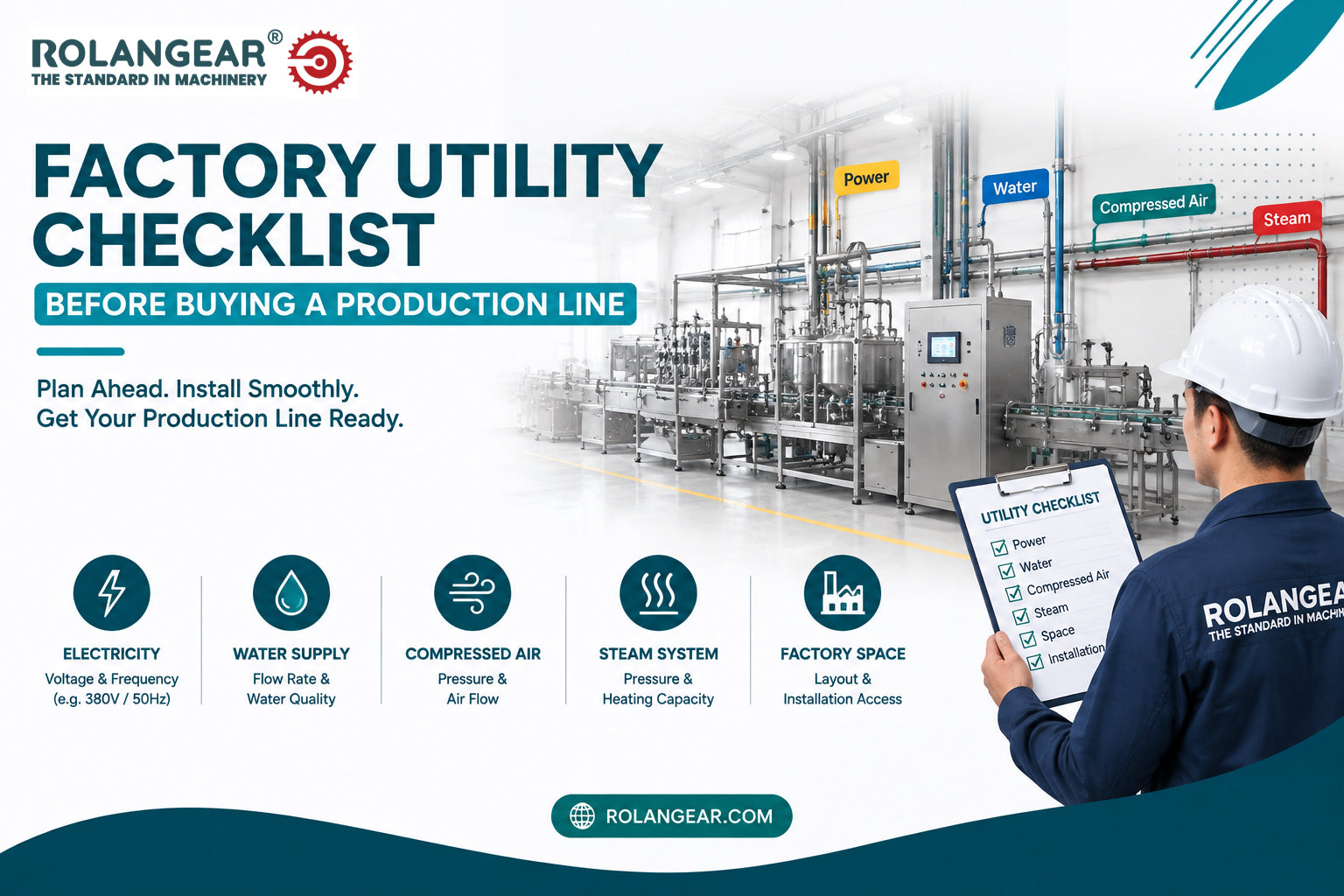
Los requisitos de servicios públicos pueden incluir energía eléctrica, suministro de agua, drenaje, aire comprimido, sistema de vacío, combustible o fuente de calor para el secado, ventilación y tratamiento de aguas residuales. Los requisitos exactos dependen del equipo y la capacidad seleccionados. Los compradores deben preparar las dimensiones de la fábrica, la energía disponible, la condición del agua y las opciones de energía local antes de discutir el proyecto con un proveedor.
Factores de costo y consideraciones de inversión

La inversión total para una línea de producción de bandejas de huevos depende de la capacidad de la máquina, el nivel de automatización, la cantidad de moldes, el método de secado, la construcción de la fábrica, el sistema de energía, la instalación y los equipos de apoyo. Un proyecto de menor costo puede utilizar un conformado semiautomático y un secado natural, mientras que una fábrica de mayor producción puede requerir conformado automático, secado de metal, sistemas de transporte y apilamiento.
El costo operativo también es importante. Los principales factores de costo incluyen papel usado, agua, electricidad, combustible, mano de obra, piezas de mantenimiento, material de embalaje y alquiler de fábrica. El costo de secado puede ser una parte importante de la operación, especialmente cuando los precios del combustible son altos. Por lo tanto, los compradores deben comparar las opciones de secado según el costo a largo plazo, no solo la inversión inicial.
El retorno de la inversión depende del precio de venta local de la bandeja, el costo de la materia prima, la eficiencia de producción, la demanda del mercado y la estabilidad del cliente. Un buen plan de proyecto debe estimar la producción diaria real después de considerar el tiempo de secado, el tiempo de inactividad, la eficiencia laboral y los productos rechazados.
Puntos de control de calidad
El control de calidad comienza con la clasificación de la materia prima y continúa a lo largo de cada etapa de producción. Los operadores deben monitorear la concentración de la pulpa, la calidad de la fibra, la limpieza del molde, la estabilidad del vacío, el grosor de la bandeja, el nivel de humedad, la precisión de la forma y el rendimiento del apilamiento.
Los defectos comunes del producto incluyen bandejas débiles, grosor desigual, superficies rugosas, deformación, grietas, formación incompleta y alta humedad. Estos problemas pueden provenir de materias primas deficientes, concentración de pulpa inestable, moldes bloqueados, vacío insuficiente, secado inadecuado o manipulación brusca. La inspección regular ayuda a los operadores a encontrar problemas antes de que se vean afectados grandes lotes.
Las bandejas terminadas deben ser lo suficientemente resistentes para proteger los huevos, lo suficientemente secas para el almacenamiento y con la forma correcta para apilarse. Si las bandejas aún están demasiado húmedas, pueden deformarse o desarrollar moho durante el almacenamiento. Si son demasiado frágiles, pueden romperse durante el transporte. Un secado equilibrado y una formación estable son esenciales.
Mantenimiento y planificación de piezas de repuesto

El mantenimiento diario debe incluir la limpieza de la pulper, la revisión de las bombas, la limpieza de las tuberías, la inspección de los moldes, la limpieza de las cribas, la revisión del equipo de vacío y el monitoreo del rendimiento del sistema de secado. Los residuos de pulpa pueden acumularse si el sistema no se limpia regularmente, causando obstrucciones y una producción inestable.
Las piezas de repuesto importantes pueden incluir moldes, sellos, piezas de bombas, cribas, válvulas, correas, rodamientos, sensores y componentes de corte o embalaje, según corresponda. Para los sistemas de secado, los ventiladores, las cadenas, los quemadores o los componentes de calefacción deben inspeccionarse de acuerdo con el diseño del sistema. El mantenimiento preventivo ayuda a reducir el tiempo de inactividad y mantiene la producción estable.
La capacitación del operador también es importante. Los trabajadores deben comprender cómo ajustar la concentración de pulpa, identificar problemas de formación, manipular bandejas húmedas, controlar el secado e inspeccionar los productos terminados. Un equipo bien capacitado a menudo puede mejorar la estabilidad de la producción sin cambiar el equipo.
Cómo elegir la línea de producción de bandejas de huevos adecuada
La elección de la línea de producción de bandejas de huevos adecuada debe comenzar con la demanda del mercado. Los compradores deben confirmar el tipo de bandeja, los clientes objetivo, la producción diaria esperada, el suministro de materia prima y el método de secado preferido. La configuración de la máquina debe entonces ajustarse al plan de negocio.
Para un pequeño mercado local, una línea semiautomática con secado natural puede ser práctica si las condiciones del terreno y el clima son adecuadas. Para una capacidad media, una sala de secado de ladrillo puede mejorar la estabilidad. Para la producción industrial a gran escala, una línea automática con secado de metal puede proporcionar un mejor control de la producción y una menor manipulación manual.
Antes de realizar el pedido, los compradores deben preparar la siguiente información:
Tipo y tamaño del producto objetivo
Bandejas requeridas por hora o por día
Fuente de papel residual disponible
Clima local y superficie terrestre
Electricidad, agua y combustible disponibles
Nivel de automatización preferido
Diseño de la fábrica o tamaño del edificio disponible
Requisitos de embalaje y almacenamiento
Plan de expansión futuro
¿Por qué elegir Rolangear?
Rolangear ofrece soluciones prácticas de líneas de producción para compradores industriales que planifican proyectos de embalaje de pulpa moldeada. Para una línea de producción de bandejas de huevos que utiliza papel residual, Rolangear puede ayudar a evaluar la preparación de la materia prima, la capacidad de moldeo, el método de secado, el nivel de automatización y el diseño de la fábrica.
En lugar de centrarse solo en una máquina, Rolangear considera el flujo de producción completo. Esto incluye el pulpado, la transferencia de pulpa, la formación, el secado, la manipulación, la inspección y el embalaje final. Una solución completa ayuda a reducir los cuellos de botella y permite un funcionamiento más estable a largo plazo.
Los compradores pueden compartir su capacidad objetivo, muestra de producto, fuente de papel crudo, dimensiones de la fábrica y condiciones energéticas locales. Rolangear puede entonces recomendar una configuración de línea más adecuada para el proyecto.
Preguntas frecuentes
¿Qué materias primas se pueden utilizar para la producción de bandejas de huevos?
Los materiales comunes incluyen cartones usados, periódicos, papel de oficina, papel de libros y otros papeles reciclables. La elección final depende de la disponibilidad local y de la resistencia requerida de la bandeja.
¿Qué método de secado es mejor para la producción de bandejas de huevos?
No existe una única opción mejor para todas las fábricas. El secado al sol es de bajo costo pero depende del clima. El secado en ladrillo es más estable para una producción media. El secado en metal es adecuado para una mayor automatización y una mayor capacidad.
¿Puede la misma línea fabricar productos distintos de bandejas de huevos?
Sí, la tecnología de pulpa moldeada puede producir cartones de huevos, bandejas de frutas, portavasos y embalajes protectores si la máquina y los moldes son adecuados. El cambio de producto debe confirmarse antes de realizar el pedido.
¿Cuánto espacio de fábrica se necesita?
El espacio de la fábrica depende de la producción, el método de secado, el almacenamiento de materias primas y el almacenamiento de productos terminados. El secado al sol generalmente necesita más terreno, mientras que el secado en metal puede reducir la dependencia del clima, pero requiere un área de equipo planificada.
¿Qué es lo que más afecta la calidad de las bandejas de huevos?
La calidad de la materia prima, la concentración de la pulpa, el diseño del molde, la estabilidad del vacío, el control del secado y la manipulación, todo ello afecta la calidad de la bandeja. Un control deficiente en cualquier etapa puede provocar productos débiles, deformados o irregulares.
¿Una línea automática es siempre mejor que una línea semiautomática?
No siempre. Las líneas automáticas reducen la mano de obra y mejoran la consistencia, pero requieren una mayor inversión y una gestión más sólida. Las líneas semiautomáticas pueden ser adecuadas para mercados más pequeños o presupuestos iniciales más bajos.
¿Qué deben confirmar los compradores antes de solicitar una cotización?
Los compradores deben confirmar el tamaño de la bandeja, la capacidad objetivo, la fuente de materia prima, el método de secado, el espacio de la fábrica, las condiciones de los servicios públicos, el nivel de automatización y las necesidades de expansión futuras.
Conclusión
Una línea de producción de bandejas de huevos que utiliza papel residual es una solución práctica de fabricación basada en el reciclaje para producir envases de pulpa moldeada. El proceso convierte el papel residual en bandejas de huevos útiles a través del pulpado, moldeo, secado, inspección y embalaje. Para los inversores, el proyecto puede satisfacer la demanda de envases sostenibles utilizando materias primas recicladas accesibles.
Los puntos de planificación más importantes son el suministro de materia prima, la capacidad de moldeo, el método de secado, el diseño de la fábrica y el costo operativo. Una línea equilibrada debe igualar la capacidad de pulpado, formación, secado y embalaje para que una sección no limite a toda la fábrica.
Si está planificando un proyecto de producción de bandejas de huevos, Rolangear puede ayudar a comparar configuraciones de equipos, opciones de secado y niveles de automatización en función de los requisitos de su producto, las condiciones de la fábrica y la producción deseada.
Contactar con Rolangear